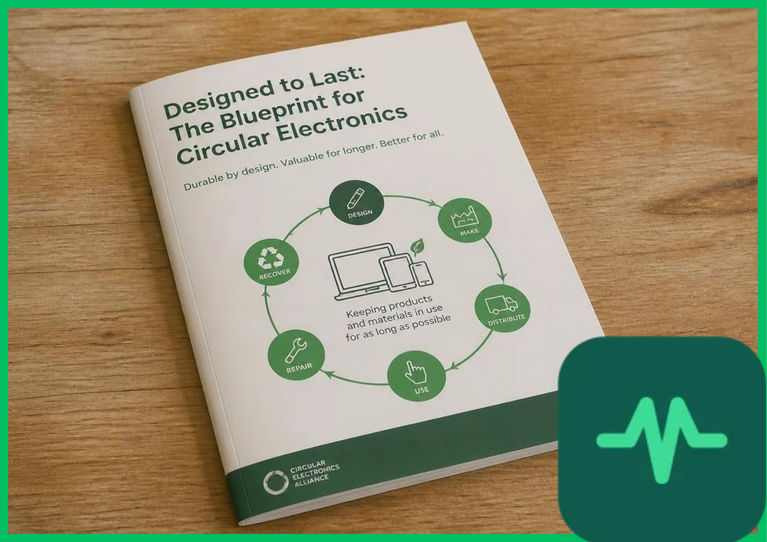
Designed to Last: The Blueprint for Circular Electronics
Unpack the design strategies transforming consumer technology from disposable items into long-lasting, easily upgradeable assets.
Unpack the design strategies transforming consumer technology from disposable items into long-lasting, easily upgradeable assets.
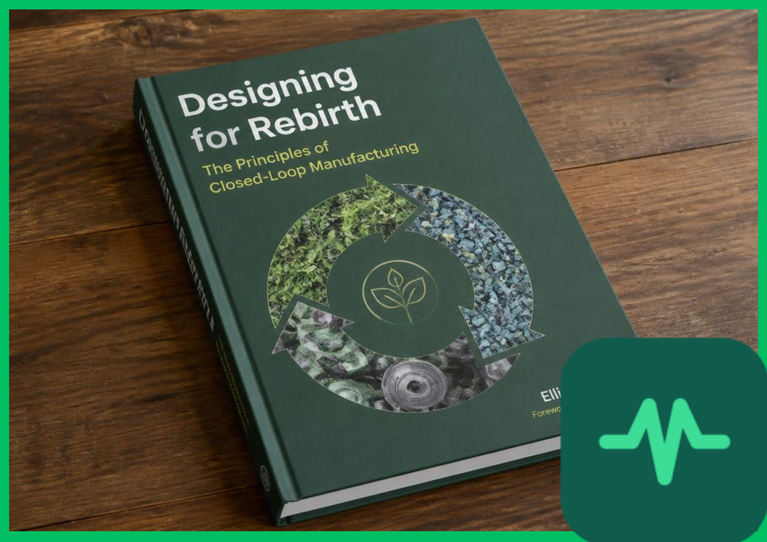
The linear take-make-waste model is reaching its physical limits. Explore how circular industrial design keeps valuable materials in active use.
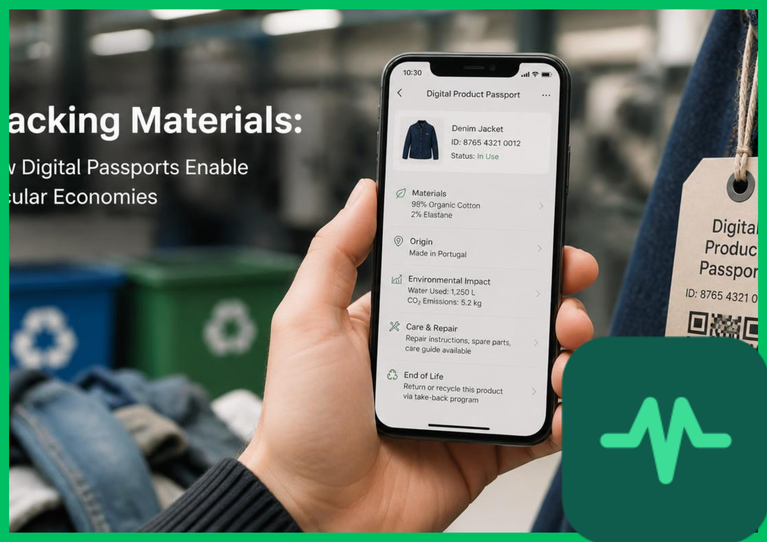
True circularity requires knowing the exact chemical composition of goods. Learn how modern tracking technology transforms end-of-life recovery.
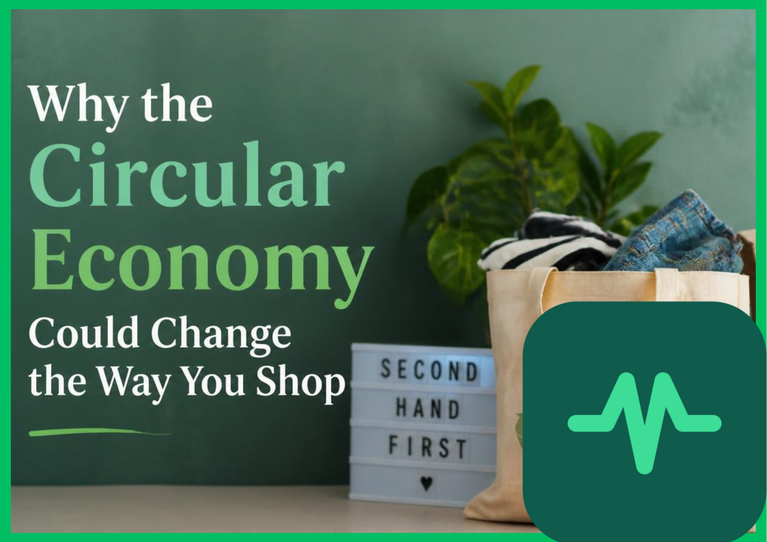
The circular economy could change how products are designed, sold, repaired and reused. Discover what this shift could mean for consumers.
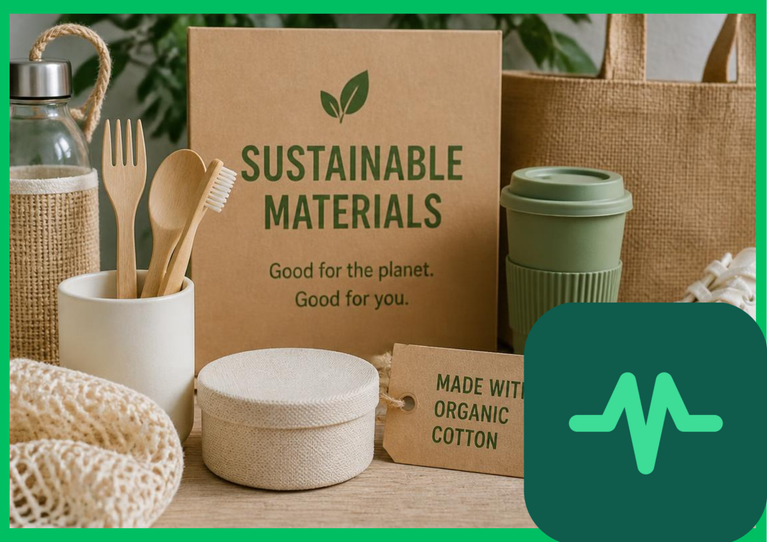
From packaging to electronics and clothing, sustainable materials are becoming more important. Here is how material innovation could change everyday products.
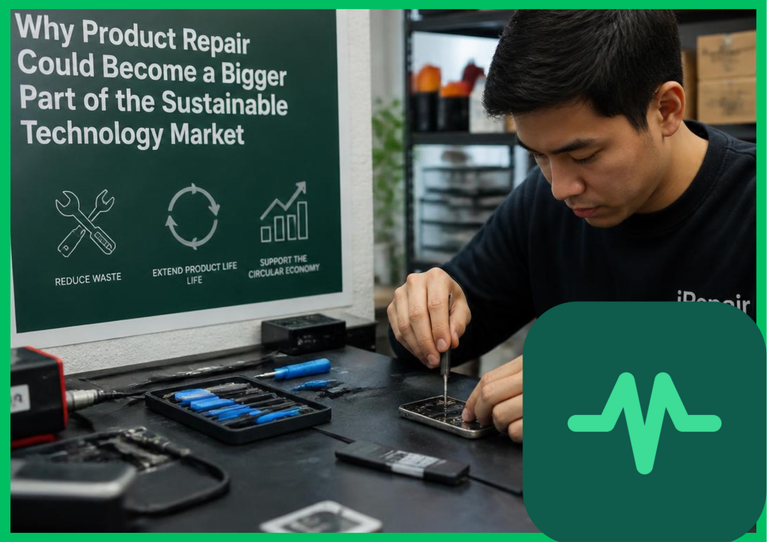
A broken product does not always need to become waste. Product repair could help consumers save money while keeping valuable materials in use for longer.
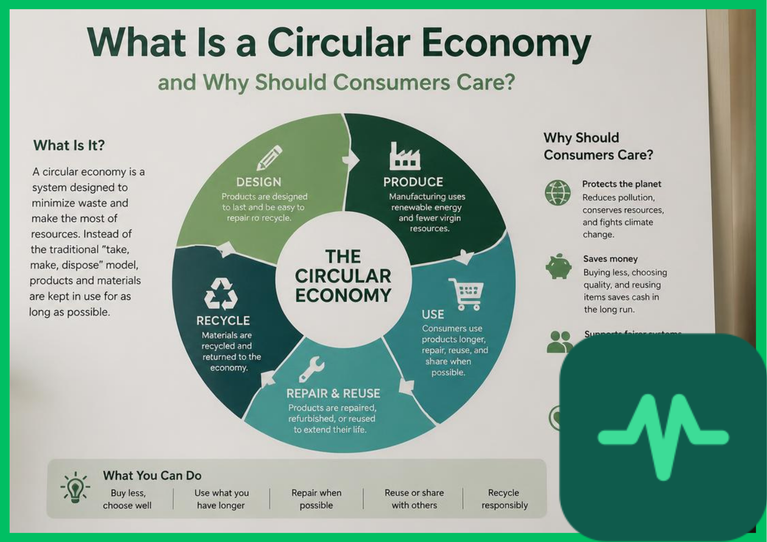
The circular economy could change the way products are designed, bought, repaired and recycled. Here is what consumers need to know.
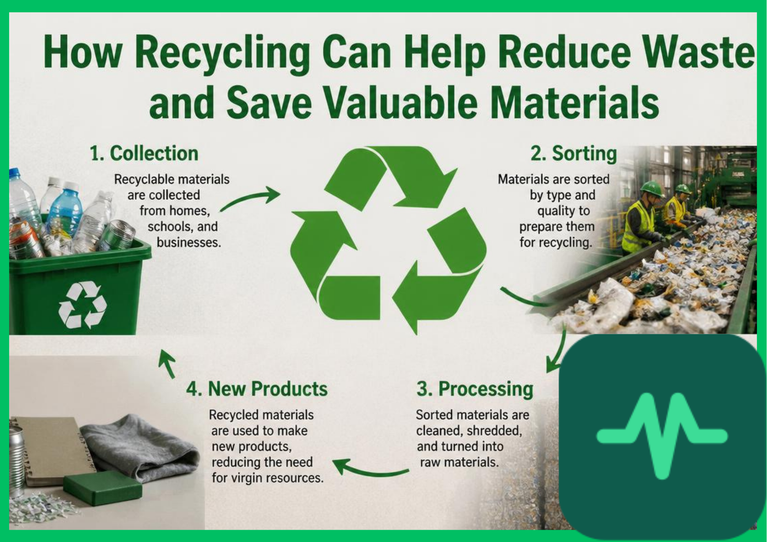
Recycling is more than putting waste into a bin. Modern recycling technology can recover valuable materials and help reduce pressure on natural resources.
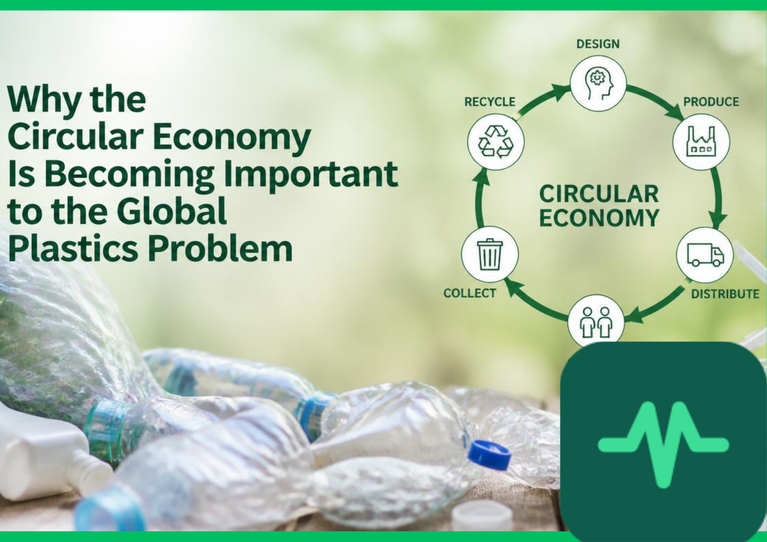
The circular economy aims to reduce waste by keeping materials in use for longer. Here is how the approach could help address the global plastics …