Every day, people throw things away without much thought. Plastic packaging. Old electronics. Paper. Metal. Glass. It all piles up quickly.
Some of these materials can be recovered and reused. Others simply can't. That distinction is exactly what makes recycling such an important part of a more sustainable economy. Good recycling reduces waste. It also helps keep valuable materials genuinely in use, rather than buried and forgotten.
Recycling Is More Than Waste Collection
Many people assume recycling starts and ends with tossing something into a bin. It doesn't, not even close.
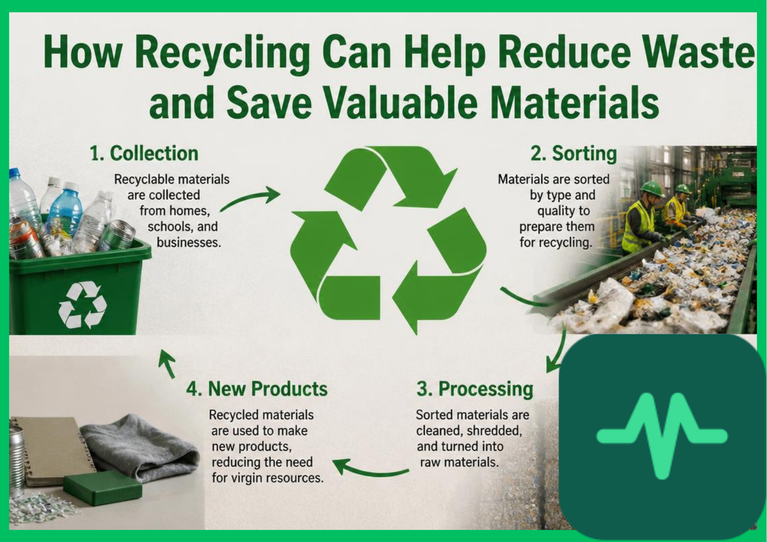
After collection, materials need sorting first. They may then need cleaning. They get processed through specialized facilities. Only after all of this can manufacturers actually use recovered materials to make new products.
This entire chain matters, every single link of it. If one part fails along the way, recycling becomes far more difficult, or breaks down entirely.
Plastic Recycling
Plastic remains one of the biggest challenges in this whole system. There are many types of plastic, and they don't all behave the same way once collected.
Some types recycle relatively easily. Others prove genuinely difficult. Contamination makes things harder still. Food residue, mixed materials, and incorrect sorting all reduce the value of collected plastic, sometimes making it unusable altogether.
Metal Recycling
Metals can be especially valuable in this process. Aluminum, copper, and steel can all get recovered and reused effectively.
This matters a great deal, since producing metals from raw materials requires significant energy and resources. Recycling helps keep these materials circulating in the economy, rather than demanding fresh mining every single time.
Electronic Waste
Electronic waste keeps growing around the world at a real pace. Old phones. Computers. Televisions. Batteries. Appliances. All of it adds up fast as technology cycles faster than ever.
These products contain genuinely valuable materials worth recovering. They can also contain substances that require careful, specialized handling. Electronic waste should always go through appropriate collection and recycling systems, not the regular trash.
Why Consumers Should Not Throw Electronics Anywhere
Electronic devices contain far more than simple plastic. They hold metals and complex electronic components too. Some batteries can even create real safety problems if damaged or handled improperly.
For this reason, always use proper e-waste collection channels. Tossing an old phone in a regular bin isn't just wasteful. It can genuinely be unsafe too.
Recycling Technology Is Improving
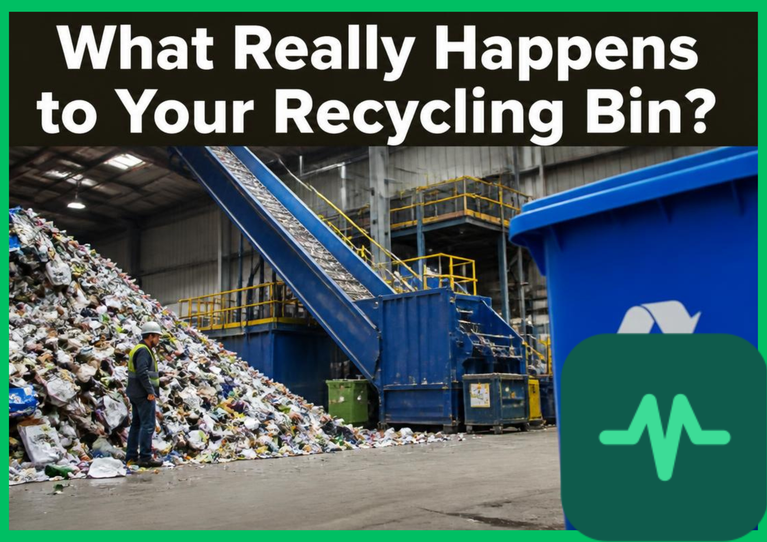
Modern recycling facilities increasingly rely on automated sorting. Machines identify different materials at high speed. Sensors separate objects with real precision. Robotic systems assist with sorting throughout the process too.
These technologies are steadily improving both the speed and accuracy of recycling, making the whole system more efficient than it was even a few years ago.
Recycling and the Circular Economy
Recycling is a core piece of something called the circular economy. The overall goal is keeping materials useful for as long as humanly possible.
Instead of the old, simple pattern:
Take → Make → Throw Away
The circular model aims for something far more sustainable:
Make → Use → Repair → Reuse → Recycle
This approach reduces waste directly. It also improves overall resource efficiency, stretching every material further before it's finally discarded.
Recycling Alone Is Not Enough
Recycling genuinely helps, but it's not a magic fix on its own. Reducing unnecessary consumption matters just as much. Repairing products extends their useful lives considerably. Reusing products avoids new manufacturing entirely. Buying genuinely durable products in the first place reduces waste before it's even created.
Recycling, in short, should be viewed as one important piece of a much larger system, not the whole solution by itself.
What Consumers Can Do
Simple, everyday actions genuinely help here. Learn your local recycling rules first, since they vary by location. Separate materials correctly according to those rules. Keep recyclable materials reasonably clean before tossing them in.
Never place dangerous items in ordinary recycling bins. Take electronics specifically to appropriate collection points. And consider repairing products before automatically replacing them, even when replacement feels easier in the moment.
Why Better Product Design Matters
Manufacturers carry real responsibility here too, not just consumers. Products can be designed to last longer from the start. They can be made easier to repair when something breaks. They can use fewer mixed materials that complicate recycling later.
They can also be designed with recycling explicitly in mind from day one. This kind of thoughtful design could make future recycling systems considerably more efficient than what we have today.
The Emotional Side of Waste
Waste can feel genuinely overwhelming to think about. The sheer amount of discarded material worldwide is enormous, almost too big to picture clearly.
Consumers shouldn't feel powerless in the face of that scale, though. Small decisions genuinely matter. More importantly, millions of people making slightly better decisions, together, can create meaningful, measurable change over time.
EcoGreenPulse View
Recycling isn't simply about waste management. It's really about resources, and how we choose to treat them.
A discarded phone still contains real materials worth recovering. An old aluminum can still holds useful metal inside it. A used battery may still contain genuinely valuable components. Recovering these resources reduces the constant need to extract brand-new materials from the earth.
Conclusion
Recycling plays an important role in the future of the global economy. It works best, though, alongside repair, reuse, better product design, and genuinely responsible consumption habits.
The future shouldn't simply produce more waste and hope recycling keeps up. It should find smarter, more deliberate ways to keep materials in use for as long as possible.
Sources: International Energy Agency resources on clean-energy supply chains and critical minerals; United Nations Environment Programme resources on waste and circularity.
Comments (0)
Login to leave a comment.
No comments yet. Be the first to share your thoughts!