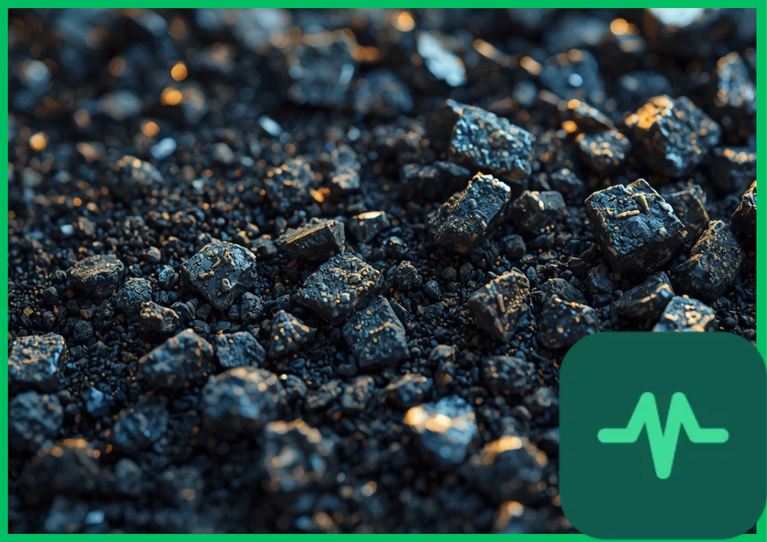
Your fingers wrap around an old, cracked smartphone from a decade ago.
You press the power button. Nothing happens. The screen stays pitch black. The battery is completely dead.
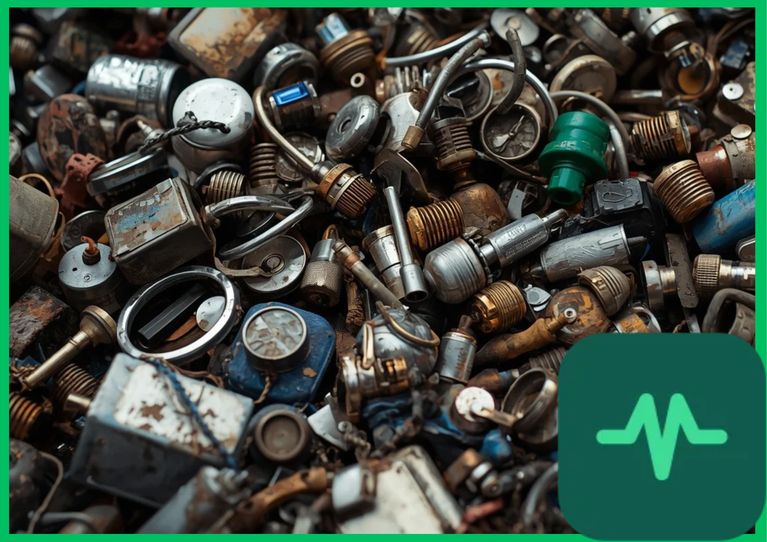
You toss the phone back into the drawer, letting it sit forgotten alongside a tangled pile of obsolete USB cords, broken earbuds, and a dusty digital camera you haven't used since your last vacation.
Most homes have a drawer just like that.
We live in a world surrounded by brilliant digital technology.
We upgrade our phones every two years. We buy new laptops, tablets, and smart home gadgets without a second thought.
We rarely pause to wonder what happens to our old devices when their screens go dark.
Millions of retired gadgets pile up in desk drawers, office closets, and local landfills across the globe.
Inside those forgotten devices lies a hidden treasure trove.
Tiny microchips, buzzing speakers, and powerful miniature magnets are packed with rare earth metals, gold, silver, and palladium.
Mining those elements from the natural earth scars landscapes, destroys ecosystems, and burns massive amounts of fossil fuels.
Throwing old electronics away is not just wasteful. It is an environmental tragedy.
A quiet, brilliant mining revolution is shifting our gaze from deep mountain quarries straight to our own city streets.
According to global resource reports from the International Energy Agency (IEA), circular economy frameworks from the United Nations Environment Programme (UNEP), efficiency benchmarks from ENERGY STAR, and academic metallurgical research, rare earth metal recycling in electronics is changing how we source our most valuable minerals.
By mining our electronic waste instead of digging up natural earth, we protect our environment and secure our clean energy future.
Here is how urban mining works, why rare earth magnets are so hard to replace, and how advanced metallurgy secures our sustainable future.
The Hidden Environmental Cost of Our Digital Lives
To understand why urban mining matters so much, you have to look at where our digital technology starts its life cycle.
When you hold a sleek smartphone or listen to music through wireless headphones, you hold a piece of the earth's crust in your hand.
Modern electronics rely on a specific family of seventeen chemical elements known as rare earth metals, along with precious transition metals like gold, cobalt, and lithium.
Extracting those elements requires brutal industrial labor.
Miners blast open massive pits in remote regions of the world. They crush tons of raw rock and treat it with harsh chemical acids to extract tiny traces of valuable metals.
That refining process generates millions of tons of toxic wastewater and radioactive sludge.
Worse still, global supplies of these critical minerals are concentrated in just a few geographic regions, making supply chains vulnerable to political tension and trade bottlenecks.
When we throw old electronics into the trash, we throw away refined minerals that took heavy environmental damage to extract.
We dig up the earth to mine new metals, while millions of tons of precious elements sit trapped inside junk drawers around the world.
We needed a smarter way to feed our technology hunger.
What Is Urban Mining?
Urban mining is the process of recovering valuable raw materials, rare earth metals, and precious elements from discarded manufactured products, buildings, and electronic waste sitting right inside our cities, rather than mining them from natural geological deposits.
Instead of sending old laptops, tablets, and smartphones to local landfills, urban miners collect them, strip them down, and send them to specialized recycling facilities.
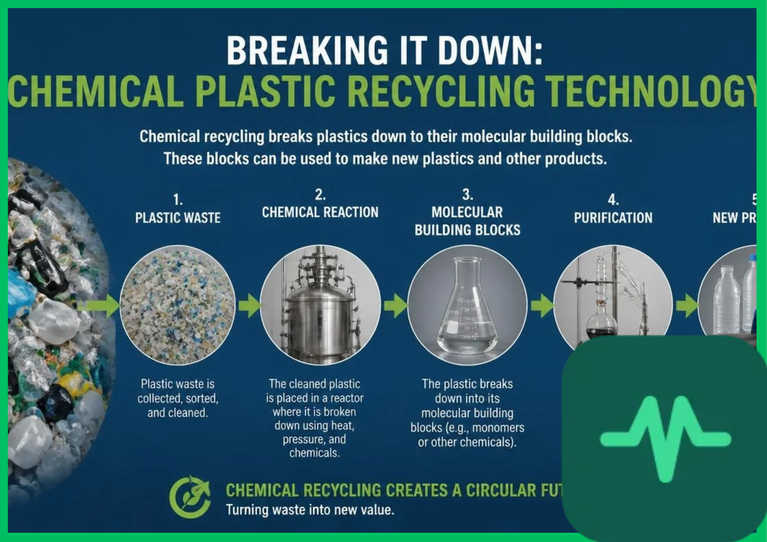
In these advanced recycling plants, high-tech metallurgical processes break the devices apart at the atomic level.
They extract pure gold from circuit boards, copper from wiring harnesses, and critical rare earth elements from tiny speaker magnets.
Those recovered metals are melted down, purified, and shipped directly back to factories to build brand-new smartphones and electric vehicle motors.
You recycle your old phone, and its internal metals start a brand-new life cycle.
The Science of Rare Earth Magnet Recovery
Why are rare earth metals like neodymium, dysprosium, and praseodymium so critical to modern technology?
The answer lies in magnetism.
Rare earth elements allow engineers to build permanent magnets that are extraordinarily small, incredibly lightweight, and immensely powerful.
Without rare earth magnets, you could not have miniature smartphone speakers, vibrating alert motors, high-efficiency electric vehicle drive motors, or direct-drive wind turbine generators.
Recovering those metals from electronic waste is an uphill scientific battle.
In a typical computer hard drive or smartphone speaker, rare earth magnets are tiny, coated in protective nickel plating, and glued tightly inside complex mechanical assemblies.
Academic metallurgical research shows that traditional mechanical shredding shatters these magnets into fine, contaminated dust that is nearly impossible to purify.
Advanced urban mining facilities use smart dismantling robotics and precise chemical leaching to extract intact magnets or dissolve rare earth elements cleanly out of shredded e-waste streams.
According to ENERGY STAR and international industrial efficiency evaluations, recycling rare earth metals consumes up to 70% to 90% less energy than mining and refining virgin ore from natural rock deposits.
Closing the Loop on Critical Mineral Supply Chains
The benefits of urban mining extend far beyond reducing local clutter or saving energy.
They provide vital geopolitical and environmental stability for the entire green energy transition.
As global demand for electric vehicles, wind turbines, and personal electronics skyrockets, demand for critical minerals threatens to outpace natural mining capacity.
According to IEA clean energy technology assessments, scaling up urban mining infrastructure is essential to bridge the gap between mineral demand and supply security.
UNEP circular economy frameworks highlight that treating our cities as above-ground mines reduces the ecological footprint of consumer technology, keeping toxic heavy metals out of soil and groundwater tables.
When we recycle electronics properly, we stop destructive mining before it starts.
Overcoming the Collection Challenge
If urban mining offers such clear environmental and economic benefits, why aren't we recycling 100% of our old electronics today?
The bottleneck is not chemical technology; the bottleneck is human behavior.
Millions of broken phones, old laptops, and tangled cables sit hidden in residential junk drawers because people simply do not know where to drop them off safely.
Communities across the globe need accessible, transparent, and widespread e-waste collection programs.
When manufacturers design electronics with modular parts, snap-together frames, and easily removable batteries, they make urban mining significantly easier for recycling plants.
When consumers take old gadgets to certified e-waste drop-off bins instead of tossing them in the household trash, they become active participants in the circular economy.
Mining Our Cities Toward a Sustainable Future
Urban mining for rare earth metal recycling in electronics proves that the raw materials we need for our technological future are already right here around us.
We no longer have to accept that human progress requires tearing open new mountain quarries and poisoning natural ecosystems.
By collecting our discarded gadgets, using advanced metallurgical chemistry to recover rare earth magnets, and feeding pure metals back into new manufacturing lines, we close the loop on modern technology.
We step away from wasteful extraction, embracing a smart, circular, and regenerative standard of living.
Through brilliant chemical engineering, smart e-waste collection, and deep respect for our planet, urban mining secures a clean, thriving future for our world.


Comments (0)
Login to leave a comment.
No comments yet. Be the first to share your thoughts!