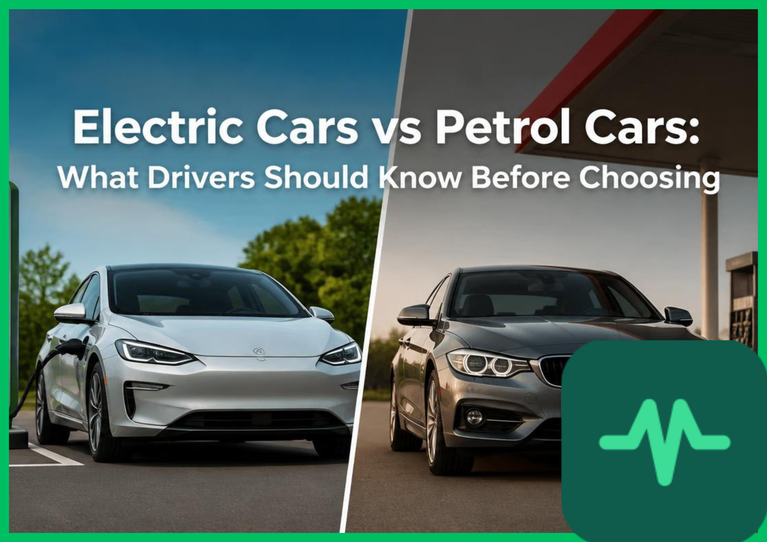
For more than a century, petrol-powered vehicles have dominated personal transportation. That is changing fast.
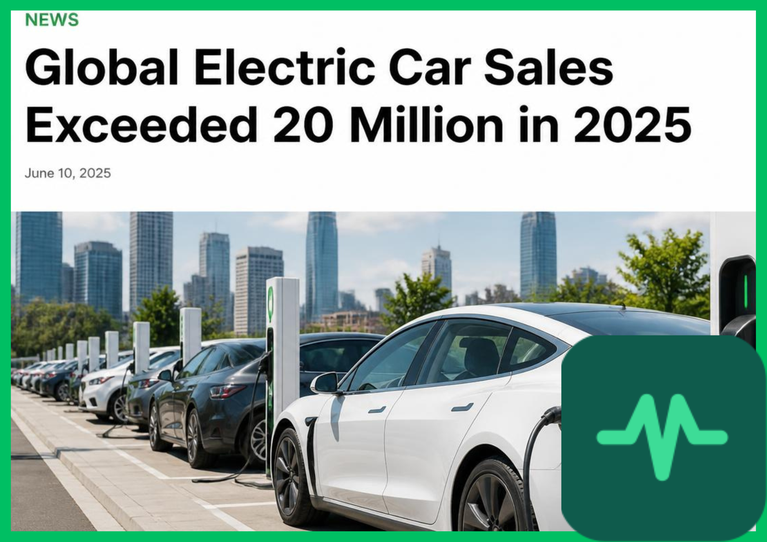
Electric vehicles are becoming increasingly common in markets around the world. The International Energy Agency reports that global electric-car sales exceeded 20 million in 2025. That's about one-quarter of all new cars sold worldwide.
This creates a real question for consumers. Should you buy an electric car? Or should you stick with a petrol-powered vehicle?
There's no single answer that works for everyone. The best choice depends on driving habits. It depends on electricity prices. It depends on fuel prices too. Charging access and vehicle availability matter just as much.
How Electric Cars and Petrol Cars Differ
The biggest difference is the powertrain itself. A petrol car uses an internal combustion engine. It burns petrol to create mechanical energy.
An electric car uses an electric motor instead. That motor draws power from a battery. This creates genuinely different driving characteristics.
EVs generally have fewer moving mechanical parts in the powertrain. Petrol engines, by contrast, rely on many components working together to burn fuel and produce power.
Refuelling vs Charging
One of the most noticeable differences is how each vehicle gets its energy. A petrol car gets refuelled at a station, usually in just a few minutes.
An electric car needs charging instead, and that process takes longer. But an EV can often charge while simply parked. A driver can plug in at home and let it charge overnight.
This changes the whole ownership experience. Instead of visiting a fuel station whenever energy runs low, many drivers can start each day with a fully charged vehicle already waiting in the driveway.
Electric Cars vs Petrol Cars: Running Costs
Running costs depend heavily on local energy prices. Electricity prices vary by country. Petrol prices vary too. Vehicle efficiency varies as well.
Because of this, it's worth calculating costs based on your own local market. For an EV, look at electricity consumption per kilometer. For a petrol vehicle, look at fuel consumption per kilometer. Then compare that against your local electricity and petrol prices.
This gives a far more meaningful answer than a blanket claim that EVs are always cheaper.
Maintenance Can Be Different
Electric vehicles generally have fewer mechanical components in their drivetrains. They don't need engine oil changes. They also skip many conventional engine parts found in petrol cars.
This can reduce certain maintenance needs. Still, EVs aren't maintenance-free. Tires wear down. Brakes wear too. Suspension components need attention over time. Air-conditioning systems still need servicing. The battery and electrical systems need upkeep as well.
Regenerative Braking
Electric cars often use regenerative braking. As the vehicle slows down, this system recovers some of that energy instead of losing it entirely.
This reduces energy waste during braking. It can also reduce wear on conventional friction brakes under the right driving conditions.
Petrol cars can use regenerative braking too, but only if they're hybrids. Conventional petrol vehicles generally don't recover braking energy the same way.
Driving Experience
EVs can feel genuinely different behind the wheel. Electric motors deliver torque instantly, which makes acceleration feel smooth and immediate.
EVs also tend to run quieter than petrol vehicles, since there's no traditional combustion engine at work. Some drivers love this experience. Others still prefer the sound and feel of a conventional engine.
Driving preference, in other words, is part of this decision too, not just numbers on a spec sheet.
Range
Range remains an important factor either way. Petrol vehicles can often travel long distances before needing to refuel.
EV range varies a lot between models. It depends on battery size and overall efficiency. Weather and driving conditions can shift actual range too.
Still, rapidly growing charging infrastructure is making longer-distance EV travel easier across many markets.
Charging Infrastructure
This is one of the biggest differences between electric cars vs petrol cars. Petrol stations are already widespread in most countries. EV charging networks, by comparison, are still developing.
Some regions already have extensive charging networks. Others have far fewer chargers available. This means local infrastructure genuinely matters here.
Someone living in a city with convenient home and public charging will have a very different ownership experience than someone in an area with limited charging options.
Home Charging
Home charging can be one of the biggest advantages of EV ownership. A driver can plug in while sleeping and wake up to a fully charged car.
Not everyone has access to private parking, though. People living in apartments may depend on workplace or public charging instead. Think about your own charging access before making a decision.
Long-Distance Travel
Petrol cars remain convenient for long-distance travel, since refuelling infrastructure is already mature in most countries.
EVs require more planning for these trips. That said, modern EVs can absolutely travel long distances. Drivers may just need to stop at charging stations along the way. Fast chargers help cut down waiting time significantly.
The real-world experience here depends heavily on the strength of the local charging network.
Environmental Impact
Electric vehicles don't produce tailpipe emissions while driving. This can meaningfully reduce local air pollution compared to conventional petrol vehicles.
EVs aren't completely impact-free, though. Manufacturing batteries requires minerals and energy. The electricity used for charging may still come from fossil fuels in some markets.
So the real environmental benefit depends partly on the local electricity system, and partly on the vehicle's full life cycle. The IEA reports that EVs can deliver significant emissions benefits over their lifetime, especially as electricity systems get cleaner.
Battery Manufacturing
Battery production is an important piece of this environmental conversation. EV batteries require materials like lithium, nickel, graphite, and other minerals, depending on the chemistry used.
Mining and processing these materials does carry real environmental impact. At the same time, battery technology keeps improving. Manufacturers are developing new chemistries and better recycling methods too.
The honest takeaway is that the environmental story is more complicated than simply calling EVs "zero impact."
What About Battery Life?
Modern EV batteries are built to last for many years. Even so, battery capacity gradually declines over time.
Manufacturers provide warranties for battery systems, so check the specific terms before buying. Battery condition is also becoming an increasingly important factor in the used-EV market.
Petrol Cars Are Still Useful
It's worth recognizing that petrol cars remain genuinely practical for many people. Infrastructure is already established. Fuel is quick to obtain. Used petrol vehicles are widely available, and in some markets, they're cheaper to buy upfront.
Neither technology is automatically right for everyone. Both have a real place depending on circumstances.
EV Purchase Prices
Electric car purchase prices vary quite a bit. Some EVs are expensive. Others are becoming genuinely more affordable. Government incentives can shift the math further.
Battery costs have fallen significantly over the long run, helping manufacturers build more affordable models. Still, vehicle price remains a real barrier in many markets.
Total Cost of Ownership
Purchase price alone isn't the best comparison. Total cost of ownership matters far more, and that includes:
- Purchase price
- Financing
- Electricity or fuel
- Maintenance
- Insurance
- Taxes
- Charging equipment
- Depreciation
- Repairs
An EV with a higher purchase price could still have lower operating costs overall. That doesn't automatically make every EV cheaper, though. Run the numbers for the specific vehicles you're actually comparing.
Which Vehicle Is Better for City Driving?
EVs can be especially convenient for urban driving. Regenerative braking recovers energy during frequent stops. Home charging eliminates constant trips to a fuel station too.
That said, petrol vehicles can perform perfectly well in cities too. The best choice ultimately depends on your local costs and infrastructure.
Which Is Better for Long-Distance Drivers?
This one depends heavily on charging infrastructure. If fast chargers are widely available along your usual routes, an EV can work great.
If charging infrastructure is limited in your area, a petrol vehicle may currently be more convenient. This is exactly why infrastructure matters just as much as the vehicle technology itself.
What Consumers Should Consider
Before choosing between electric cars vs petrol cars, ask yourself:
- Where do I drive most often?
- Can I charge at home?
- How much does electricity cost?
- How much does petrol cost?
- How far do I normally travel?
- Are public chargers available?
- What is my budget?
- How long do I plan to keep the car?
These questions will get you a far more useful answer than comparing spec sheets alone.
The Market Is Changing
The global EV market is no longer a niche corner of the industry. The IEA reports electric-car sales topped 20 million globally in 2025, with EVs making up around one-quarter of new-car sales.
China remains the largest market. Europe also shows strong EV adoption. Meanwhile, emerging markets are starting to grow more rapidly too. This all means consumers will have more electric models to choose from going forward.
EcoTech View
The debate over electric cars vs petrol cars is becoming less about which technology is universally "better." It's really about which technology fits a particular driver best.
An EV can be a strong choice for someone who can charge at home and mainly drives locally. A petrol car may still be more convenient for someone who frequently travels long distances through areas with limited charging.
As charging infrastructure expands and EV prices become more competitive, this balance will keep shifting.
Conclusion
There's no universal winner in the electric cars vs petrol cars debate. Electric cars offer a genuinely different ownership experience. They can provide quiet driving, home charging, and lower energy consumption.
Petrol cars offer established refuelling infrastructure and familiar technology. Compare total cost, charging access, driving needs, and local conditions before deciding.
The most important thing is choosing the vehicle that actually fits how you live and drive, not the one that wins on paper alone.
Source: International Energy Agency, Global EV Outlook 2026.
Comments (0)
Login to leave a comment.
No comments yet. Be the first to share your thoughts!