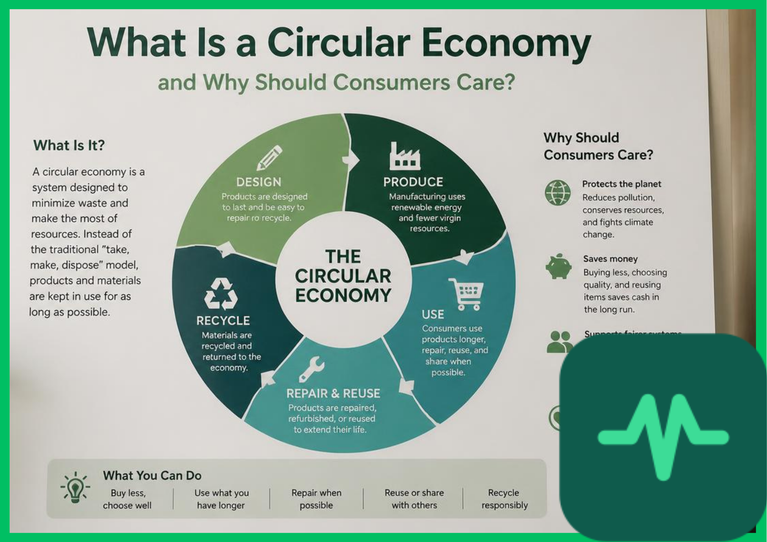
For decades, many products have followed a simple, predictable pattern. Resources get extracted. Products get manufactured. Consumers buy them. Eventually, they get thrown away.
This is often called a linear economy. It creates enormous amounts of waste. It also drives constant demand for new raw materials, since nothing gets kept in use for long. The circular economy offers a genuinely different approach.
What Is a Circular Economy?
A circular economy aims to keep products and materials useful for much longer. Instead of quickly throwing products away, the system encourages:
- Repair
- Reuse
- Refurbishment
- Remanufacturing
- Recycling
The goal is refreshingly simple. Get more real value out of the resources already in use, rather than constantly reaching for new ones.
Why Consumers Should Care
The circular economy isn't just a government or business issue tucked away in policy documents. It genuinely affects everyday consumers in real, tangible ways.
It could change how easily your phone gets repaired. It could influence how your next car gets designed. It could affect clothing. It could reshape appliances. It could also open up more opportunities to buy quality refurbished products at lower prices.
Repair Could Become More Important
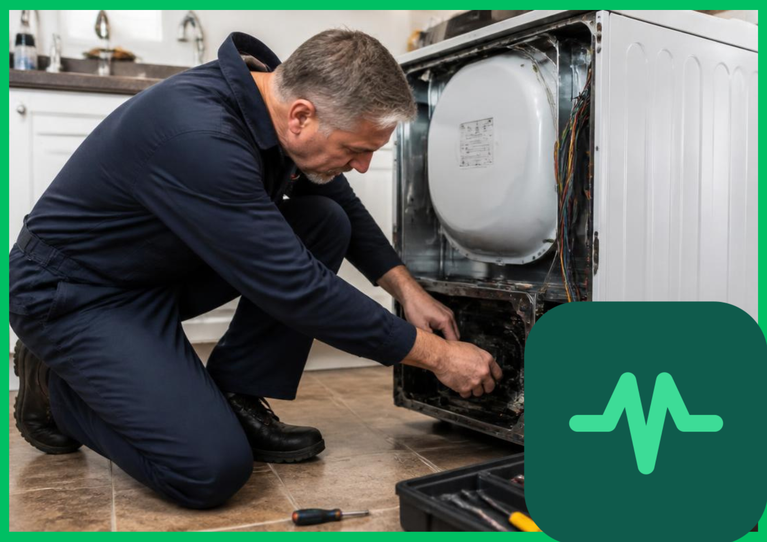
Imagine buying a phone that's genuinely easy to repair. A damaged battery could simply get replaced. A cracked screen could get swapped out. The device could keep working well for several more years instead of heading to a drawer.
That would meaningfully reduce waste. It would also save consumers real money over the life of the device.
Reuse
Reuse is another key piece of the circular economy. A product doesn't always need to be brand new to be genuinely useful.
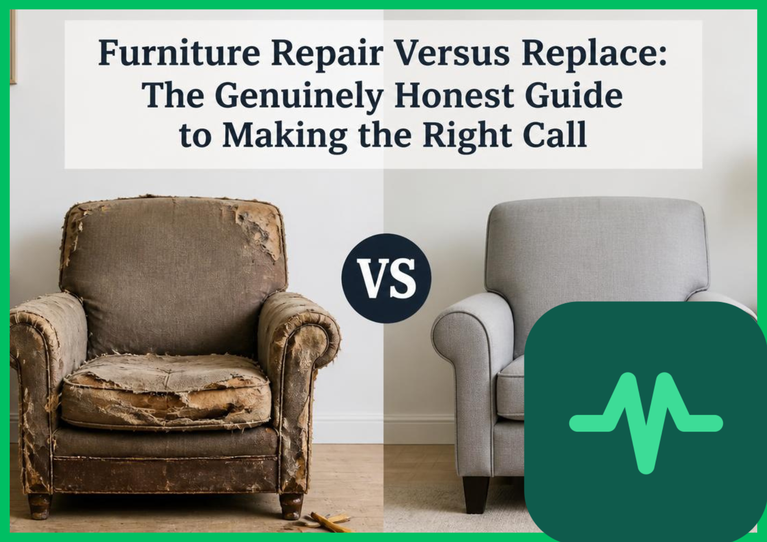
Used furniture can hold real value. Refurbished electronics can hold real value too. Second-hand clothing can hold real value as well. Reuse simply extends the working life of products that already exist, rather than sending them to a landfill prematurely.
Refurbishment
Refurbishment means restoring used products to good working condition. The product might get cleaned thoroughly. Damaged components might get replaced. Software might get updated to current standards.
The end result can be a product that works genuinely well, without requiring completely new manufacturing from scratch. That's a real win for both cost and the environment.
Recycling
Recycling comes later in a product's life, once other options are exhausted. When something can no longer be reused or repaired, its materials may still get recovered.
This keeps valuable resources in circulation. Recycling shouldn't always be the first option, though. If something can be repaired instead, keeping it in use often preserves far more value than breaking it down for parts.
Better Product Design
Manufacturers play a major role in all of this. Products can be designed for genuine durability from the start. They can be designed for easier repair too, rather than sealed shut and disposable.
Materials can be chosen with recycling in mind from the very beginning. Software support also shapes how long electronics stay genuinely useful, since a great phone becomes worthless once updates stop arriving.
The Right to Repair
Right-to-repair policies are becoming an important part of this whole conversation. The basic idea is straightforward: consumers and independent repairers should have real access to the tools, information, and parts needed to fix certain products themselves.
Rules differ quite a bit by country right now. The broader idea, though, is gaining real momentum and attention worldwide.
The Circular Economy and Technology
Technology can genuinely support circular systems in practical ways. Digital product records help track products and materials throughout their entire lifecycle. Sensors monitor equipment condition in real time. Software can predict exactly when components need maintenance, before they fail.
Artificial intelligence can even support sorting and resource recovery at scale. Technology, in other words, helps products stay useful for longer, not just look impressive on release day.
Circular Business Models
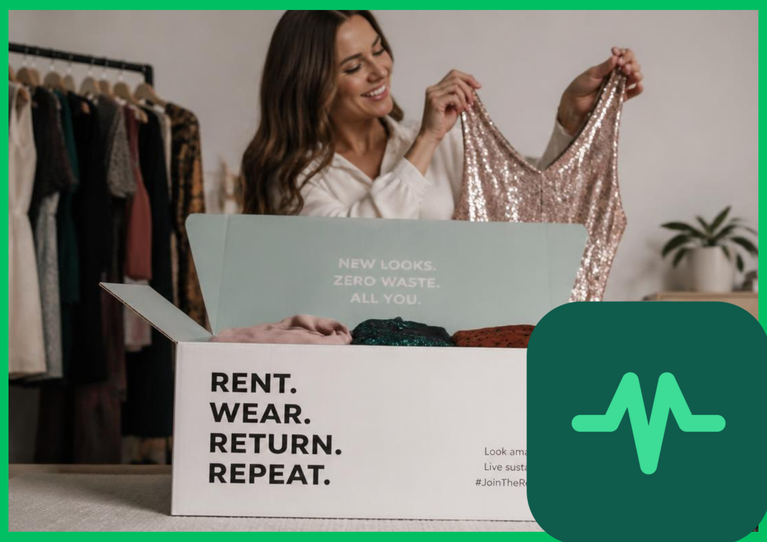
Businesses can rethink how they sell products entirely. Instead of selling an item once and moving on, companies can offer leasing arrangements instead. They can provide ongoing repair services. They can take products back at the end of their life. They can refurbish used equipment for resale.
This creates an entirely new kind of relationship between companies and consumers, one built on longevity rather than constant replacement.
Can the Circular Economy Save Money?
It genuinely can. Repairing a product often costs less than buying a full replacement. Refurbished products can be considerably cheaper than new ones too. Businesses, meanwhile, can recover valuable materials instead of buying everything fresh.
Circular systems still require real investment to build out properly, though. The financial benefits vary depending on the specific product and market involved.
Consumer Choices Matter
Consumers don't need to become perfect overnight. Making better decisions, one at a time, is enough to matter. Before buying something new, ask yourself:
Do I really need it?
Then ask:
Can I repair what I already have instead?
Finally:
What happens when I no longer need it?
These three simple questions can genuinely encourage more responsible consumption, without requiring a complete lifestyle overhaul.
EcoGreenPulse View
The circular economy is ultimately about changing our relationship with the things we own. A product shouldn't automatically become waste simply because its first owner no longer wants it.
There may be another use for it. There may be a repair worth making. There may be another owner who'd value it. There may be genuinely valuable materials still inside it, waiting to be recovered.
Conclusion
The circular economy offers a genuinely hopeful alternative to the traditional throwaway model most of us grew up with. It doesn't mean consumers can never buy anything new again. Instead, it encourages products that last longer and materials that stay useful far beyond their first life.
For consumers, that can mean more real choice. It can mean less waste piling up. It can also mean better value for the money you actually spend.
Sources: United Nations Environment Programme resources on resource efficiency and circularity; International Energy Agency resources on clean-energy supply chains.
Comments (0)
Login to leave a comment.
No comments yet. Be the first to share your thoughts!