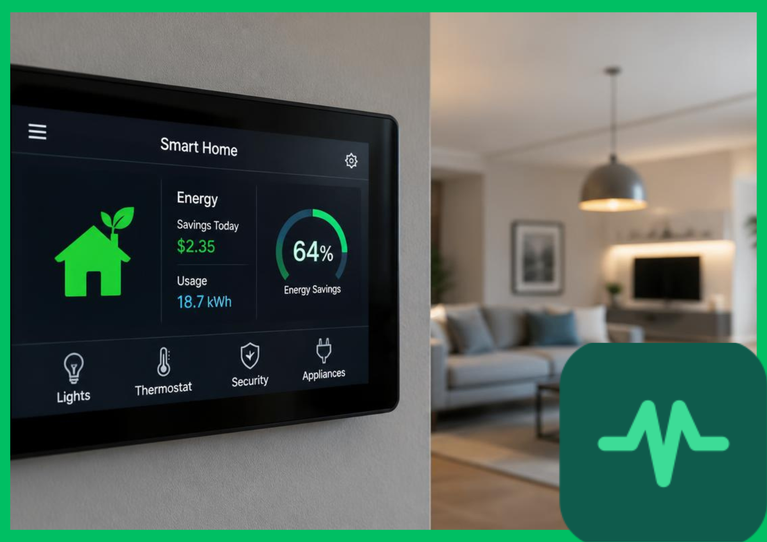
A smart home energy can do more than switch lights on and off. With the right technology, it can also help manage electricity. This is where smart home energy technology becomes genuinely useful.
Smart energy systems use connected devices, sensors, and software to monitor and control energy use. For consumers, the goal is simple. Use energy when it's needed. Avoid wasting it when it's not.
That sounds straightforward. But many homes use electricity without knowing exactly where it goes. Smart technology makes that information much easier to see.
Why Energy Waste Happens
Energy waste happens in many small, everyday ways.
A light stays on in an empty room. An air conditioner keeps running when nobody is home. A television sits in standby mode for hours. A water heater heats water even when demand is low. An appliance runs during an expensive electricity period without anyone realizing it.
Individually, these actions seem small. Together, they add up fast. This is exactly why smart home energy management matters.
Smart Meters Provide Better Information
One basic technology behind smarter energy use is the smart meter. A smart meter records electricity consumption electronically. Depending on the country and provider, it may send readings automatically.
Some systems go further, giving consumers detailed access to their own consumption data. This helps households understand their real patterns. A household might discover, for example, that electricity use spikes sharply every evening. That insight alone can lead to smarter decisions.
Energy Monitoring
Energy monitors take this a step further. Some show electricity use in real time. Others track consumption over hours, days, or months.
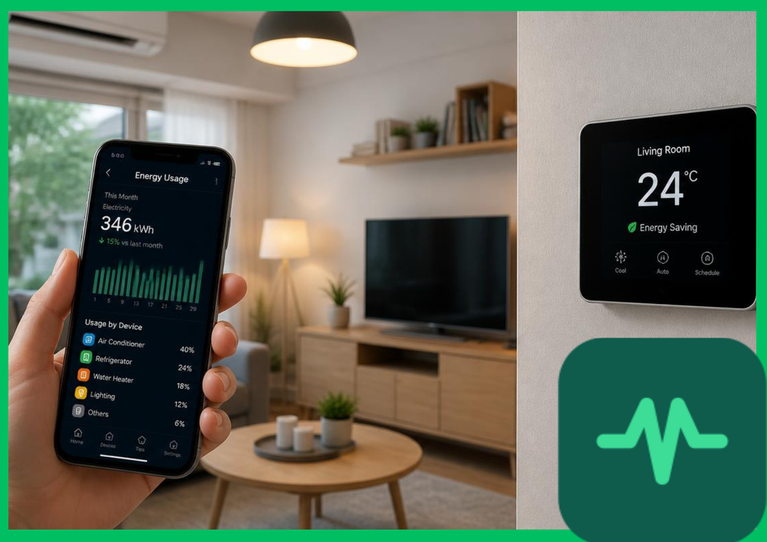
This makes it far easier to spot major energy users. One household might discover its air conditioner uses far more electricity than expected. Another might find that a water heater is quietly driving up the bill. Once the problem becomes visible, the household can actually do something about it.
Smart Plugs
Smart plugs are one of the simplest smart-home devices available. They let you control certain electrical devices remotely. Some models also track electricity use directly.
You could use a smart plug to schedule a device to switch off automatically at night. This helps cut down on unnecessary operation. Just be sure to use smart plugs only with devices that fall within the plug's rated electrical capacity. Safety always comes first.
Smart Lighting
Lighting is another area where smart technology helps. Smart bulbs and switches can be controlled through apps or automated schedules.
Some systems turn lights off automatically when nobody's detected in a room. Others let you build custom schedules. Smart controls work best paired with efficient lighting, though. LED bulbs already use far less electricity than traditional incandescent bulbs. Combine the two, and you get a genuinely stronger efficiency strategy.
Smart Thermostats
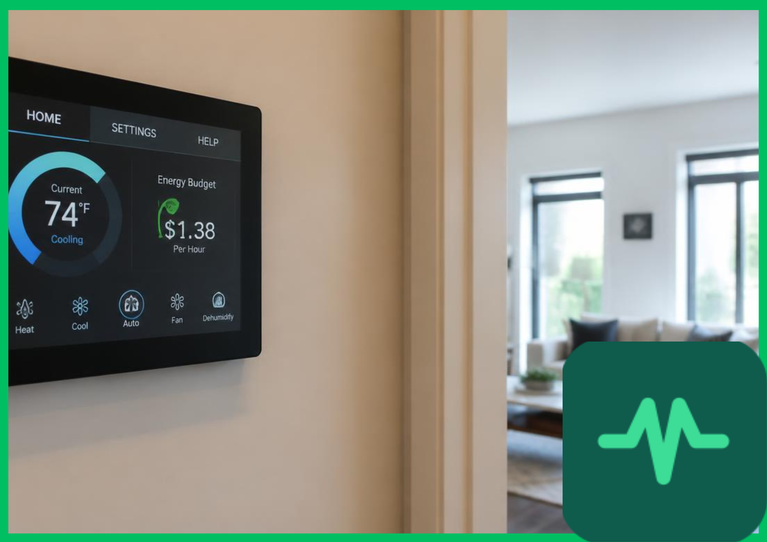
Heating and cooling can represent a huge share of household energy demand. A smart thermostat helps manage temperature automatically, without you constantly adjusting a dial.
It can reduce heating or cooling when the home sits empty. It can follow a set schedule. Some advanced systems even learn household patterns over time. All of this cuts unnecessary energy use without demanding constant attention from you.
Smart Air Conditioning
In hot regions, air conditioning can be one of the largest electricity loads in a home. Smart controls help manage cooling more efficiently.
A household could schedule cooling around normal occupancy. Some systems allow remote control, so you can adjust the temperature right before arriving home instead of leaving it running all day.
One caveat, though: the efficiency of the air conditioner itself still matters. Smart controls can't turn an inefficient appliance into an efficient one.
Smart Appliances
Connected appliances are becoming more common. Some refrigerators, washing machines, and other devices now connect to home networks.
They might report energy consumption. They might let you schedule certain functions. Still, look carefully at what the smart features actually deliver. A connected appliance isn't automatically an energy-saving one. The technology needs to provide a real, practical benefit, not just a Wi-Fi connection.
Smart Home Energy and Solar Power
Smart technology becomes even more valuable when a home has solar panels. Solar generation shifts throughout the day, usually peaking when sunlight is strongest.
Household demand, though, often peaks at a different time. Smart systems can bridge that gap. A household might run certain appliances specifically while solar electricity is available, increasing how much solar power actually gets used directly in the home.
Smart Energy and Batteries
Home batteries add another layer to this system. Solar electricity generated during the day can get stored instead of wasted. The battery then supplies that power later, exactly when it's needed.
Smart software manages when the battery charges and discharges. This makes the whole home energy system more flexible. Battery systems cost more than basic smart-home devices, though, so weigh your actual electricity needs before investing.
Electric Cars Add Another Energy Load
Electric vehicles are changing the home energy picture too. An EV can use a significant amount of electricity to recharge.
Smart charging helps manage that demand. A vehicle might charge during a period of lower household demand. If solar power is available, charging could sync with solar generation directly. This creates a real connection between transportation and the home's electricity system.
Can Smart Homes Reduce Electricity Bills?
They can help. There's an important qualification here, though.
Installing smart technology doesn't automatically shrink a bill. The technology has to actually change consumption. A smart thermostat might reduce unnecessary cooling. A smart plug might switch off equipment that would otherwise run all day. An energy monitor might help you spot a major electricity user you didn't know about.
The real savings depend entirely on how the technology gets used.
Smart Energy and Electricity Prices
Some electricity markets charge different prices at different times of day. When this is the case, smart technology can help shift consumption toward cheaper windows.
A home battery might charge during a lower-cost period. An EV might do the same. This practice is sometimes called demand shifting. Just check first whether time-based electricity pricing actually exists in your area, since not every market offers it.
Privacy Matters
Smart homes generate real data. That data can reveal a surprising amount about household behavior, including when people are awake, asleep, or away.
Before buying a connected device, ask:
- What data does it collect?
- Where is the data stored?
- Who can access it?
- Can the device operate without cloud services?
- How is the account protected?
These questions matter more every year as smart devices become more common.
Cybersecurity Matters Too
Connected devices need real protection. A few basic habits help a lot:
- Use strong passwords
- Update device software regularly
- Avoid using old devices that no longer receive security updates
A smart home should improve convenience. It shouldn't create unnecessary security risk in the process.
Start Small
You don't need an expensive whole-home automation system to get started. A simple energy monitor is a good first step.
Understand your electricity use first. Then identify the biggest sources of consumption. From there, add smart controls where they'll actually make a difference. This approach prevents unnecessary spending on features you may never use.
EcoGreenPulse View
Smart home energy technology can genuinely help households become more aware of their electricity use. It can also automate certain energy-saving actions.
Still, it shouldn't be treated as a magic fix. The biggest benefits show up when monitoring, efficient appliances, smart controls, solar power, and storage all work together, not when any single device is expected to solve everything on its own.
Conclusion
The smart home is becoming part of a much wider energy system. Smart meters provide information. Smart thermostats manage heating and cooling. Smart plugs control individual devices. Solar and batteries offer cleaner, more flexible electricity. Electric vehicles are becoming another manageable energy load in the mix.
As these technologies grow more connected, smart home energy management is likely to become an increasingly important part of everyday life for households everywhere.
Source: International Energy Agency resources on digitalization, energy efficiency, and demand-side flexibility.
Comments (0)
Login to leave a comment.
No comments yet. Be the first to share your thoughts!