The wind howls outside your windows. The temperature drops outside.
Inside your home, you feel a cozy wave of warmth wrapping around you.
Your lights glow softly. Your refrigerator hums in the kitchen.
You feel safe, warm, and comfortable.
Then you open your monthly utility bill.
Your heart sinks.
The numbers are high, and you wonder where all that electricity actually went.
Did you leave appliances running? Did your heating system work overtime while you were out at work?
For generations, managing household energy was a guessing game.
We plugged appliances into walls, flipped light switches, and waited until the end of the month to see how much power we wasted.
That blind approach hurt our family budgets.
It also wasted massive amounts of electricity across the global grid, forcing power plants to burn extra coal and gas to cover invisible household waste.
We cannot build a clean, sustainable future while leaving our home energy use entirely up to chance.
What if your house could think for itself?
What if automated systems directed electricity through your home with intelligent precision, saving money while protecting the earth?
A quiet, brilliant digital revolution is transforming our living spaces.
According to global energy reports from the International Energy Agency (IEA), resource protection frameworks from the United Nations Environment Programme (UNEP), efficiency benchmarks from ENERGY STAR, and academic smart grid research, smart home energy management systems are changing our domestic lives.
By using real-time sensors, automated power controls, and intelligent grid integration, we eliminate household waste and take charge of our energy footprint.
Here is how smart energy systems work, why automated home power control changes residential economics, and how directing the flow secures our sustainable future.
The Blind Guesswork of Traditional Homes
To understand why smart home energy management systems matter so much, you have to look at how conventional houses consume power.
For decades, homes operated as isolated energy boxes.
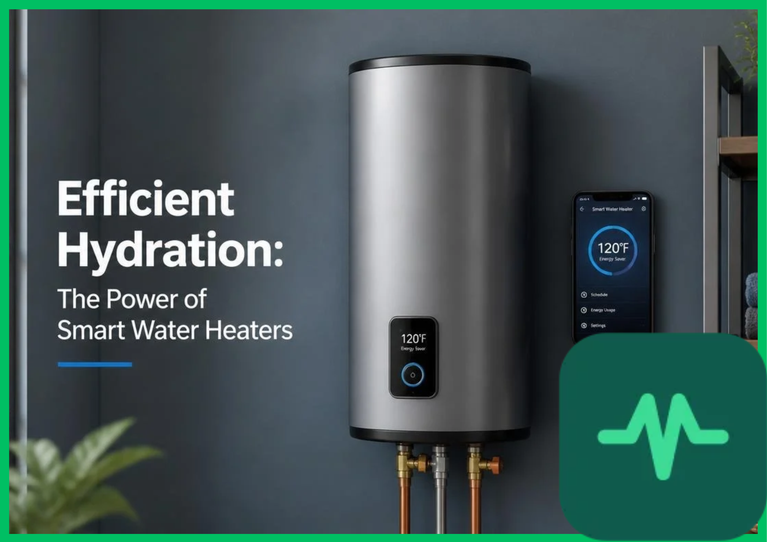
Water heaters fired up at random hours, heating water whether anyone needed it or not.
Air conditioning units ran flat out on hot afternoons, cooling empty rooms while you sat at your office miles away.
Standby power—the invisible electricity consumed by televisions, chargers, and microwaves while turned off—drained constant power around the clock.
Skeptics once argued that saving energy at home required constant personal sacrifice, forcing families to freeze in the dark or unplug every device manually.
Technology and engineering proved the skeptics wrong.
Saving energy does not require living like a hermit. It requires intelligence.
When digital sensors take over the routine task of watching your power use, your home becomes efficient automatically without you lifting a finger.
What Is a Smart Home Energy Management System?
A smart home energy management system is an integrated digital network of smart plugs, connected thermostats, real-time energy monitors, and automated controllers that track, coordinate, and optimize household electricity consumption across every appliance and heating zone.
Instead of letting appliances run whenever they want, the system acts as an intelligent conductor.
It talks to your solar panels, your electric vehicle charger, and your local power grid.
If electricity prices spike during peak demand hours, the system delays your washing machine cycle or pauses your water heater until rates drop.
When sunlight pours onto your roof solar panels, the automated controller directs that free solar electricity straight into your home battery or electric car charger.
Your house learns your daily habits, adjusts temperatures before you wake up, and cuts power to idle rooms instantly.
You get total comfort with zero waste.
The Science of Real-Time Monitoring and Grid Harmony
How does a collection of digital sensors and smart plugs reduce a household's electricity bill so dramatically?
It comes down to real-time data feedback and automated load balancing.
Academic smart grid research shows that when residents can see their energy consumption minute by minute on a smartphone screen, their behavior changes naturally.
They turn off lights, fix drafty doors, and upgrade inefficient appliances.
Furthermore, when automated home power control takes over, the savings multiply.
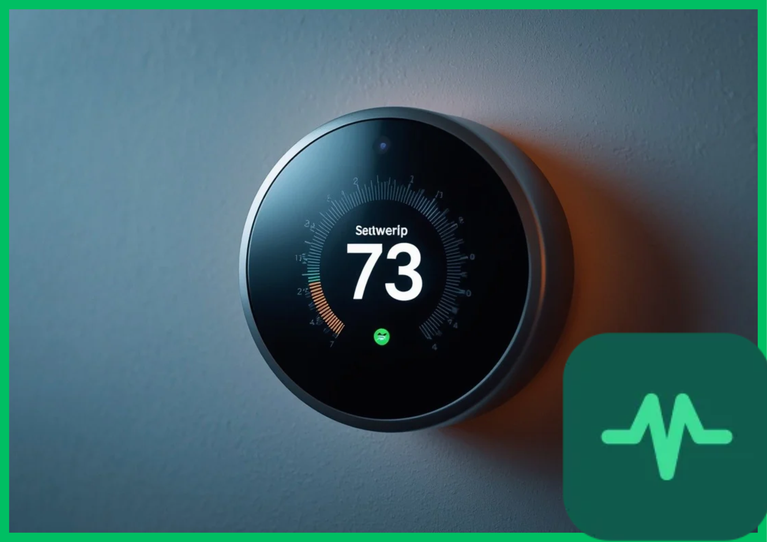
Instead of cycling a heavy air conditioner continuously, smart thermostats cycle compressors efficiently, maintaining stable indoor temperatures while cutting power draw by up to 20% to 25%.
According to ENERGY STAR and international appliance efficiency evaluations, smart energy hubs prevent peak grid overloads by shifting flexible household loads away from high-stress hours.
Your home works in harmony with the wider electrical grid, preventing blackouts and reducing the need for dirty fossil fuel peaker plants.
Environmental Integrity and Global Climate Action
The environmental benefits of smart home energy management extend far beyond cutting individual utility bills.
They form an essential building block for global decarbonization.
According to UNEP resource governance frameworks, optimizing household energy efficiency is the fastest, cheapest way to lower carbon emissions without requiring new power plant construction.
When millions of homes reduce their electricity waste simultaneously, regional power grids experience a massive drop in demand.
That reduction allows utility companies to retire old coal and gas plants much faster.
According to IEA clean energy roadmaps, scaling up smart residential technology is a crucial step to balance variable wind and solar generation across global communities.
When every home becomes an active, intelligent participant in the energy transition, our entire civilization grows more resilient.
Overcoming Installation and Digital Realties
Upgrading an older home with smart energy management systems involves navigating real-world digital hurdles.
Many houses feature aging wiring, incompatible thermostats, or clunky old water heaters that lack digital ports.
Homeowners overcome these challenges through modular upgrades, installing smart plugs and wireless sensors room by room without requiring expensive rewiring.
As digital standards harmonize across global manufacturers and smart devices become intuitive to set up, automated home energy management is transitioning from a luxury gadget into standard residential infrastructure.
Directing Our Flow Toward a Sustainable Future
Smart home energy management systems prove that digital innovation can bring harmony to our daily lives and our planetary climate.
We no longer have to accept that running a comfortable home requires wasting electricity or guessing where our money goes.
By connecting real-time sensors, automated thermostats, and smart grid controllers, we take control of our domestic power use.
We step away from energy waste, embracing a smart, efficient, and enduring standard of modern living.
Through brilliant digital engineering, rigorous academic research, and a deep respect for our shared environment, directing the flow secures a clean, bright, and sustainable future for every household on Earth.
Comments (0)
Login to leave a comment.
No comments yet. Be the first to share your thoughts!