You pull out an old smartphone. Its screen is cracked, its battery dies in twenty minutes, and the operating system no longer supports essential security updates.
It looks fine on the outside. Inside, it is functionally dead.
So, you toss it into a dusty box of forgotten electronics and buy a brand-new replacement.
We live in a culture of disposable technology. For decades, consumer electronics were designed with a hidden expiration date. Devices were glued shut, internal components were soldered permanently in place, and software support stopped abruptly after a few short years.
That linear "take-make-waste" model creates a staggering global crisis.
According to electronic waste assessments from the United Nations Environment Programme (UNEP), energy efficiency guidelines from ENERGY STAR, industrial material studies from the International Energy Agency (IEA), and academic lifecycle research, a profound shift is finally underway.
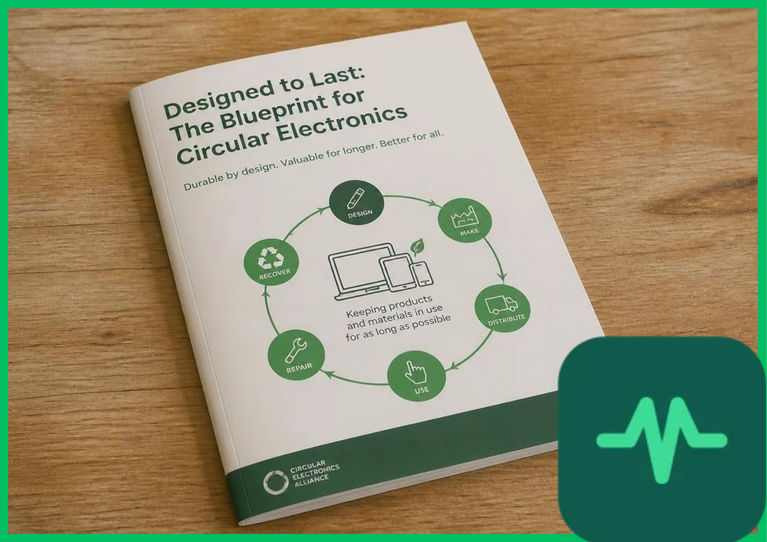
It is called circular economy electronics design.
By prioritizing modular hardware repairability, e-waste reduction frameworks, and component life extension, sustainable device manufacturing is transforming how we build the tools we rely on every day.
Here is how circular electronics work, why fixing gadgets should be simple, and how designing devices to last protects our shared environment.
The Trap of Planned Obsolescence
To understand why circular electronics matter, you have to look at how modern devices are traditionally manufactured.
Extracting raw materials like gold, lithium, cobalt, and rare earth elements takes a heavy toll on the earth. Mines tear open fragile ecosystems, and chemical processing releases millions of metric tons of carbon pollution.
Once those precious materials are smelted and shaped into a sleek smartphone, laptop, or tablet, they are rushed to market.
Then, the design traps begin.
Manufacturers use industrial adhesives to seal glass and aluminum housings together, making it nearly impossible to open a device without destroying it. Batteries are glued directly to circuit boards. Proprietary screws and software locks prevent independent repair shops from replacing a broken screen or a worn-out charging port.
When a single 10-gram (approx. 0.35-ounce) component fails, consumers are forced to discard a 200-gram (approx. 7-ounce) device.
Academic lifecycle research shows that this wasteful cycle generates tens of millions of metric tons of toxic electronic waste every year, with the vast majority ending up in landfills or informal recycling dumps.
We cannot mine our way out of this crisis. We have to change how we design electronics from the ground up.
Modular Architecture and Repairability
Circular electronics start with a simple, radical idea: gadgets should be easy to open, fix, and upgrade.
Modular hardware repairability replaces glued seams and soldered parts with standardized screws, snap-fit casings, and removable connectors.
Imagine a smartphone or laptop designed like a set of building blocks.
If your battery loses its capacity after three years of heavy use, you do not buy a new phone. You order a replacement battery, slide open the back panel using a standard tool, swap the old cell out, and snap the phone back together.
If your camera module improves or your storage needs grow, you upgrade just that specific module.
Academic engineering studies show that modular design extends the active lifespan of consumer electronics by years.
When a device lasts twice as long, the annual demand for raw mineral extraction drops in half.
Repairability transforms a disposable gadget into a durable, long-term companion.
E-Waste Reduction Frameworks and Sustainable Manufacturing
Designing for longevity requires a complete overhaul of industrial production.
UNEP resource frameworks and ENERGY STAR efficiency guidelines emphasize that sustainable device manufacturing must close the material loop entirely.
Forward-thinking technology companies are adopting strict e-waste reduction frameworks that govern a product from its initial design sketch to its final recycling stage.
These frameworks focus on three core pillars:
- Using recycled aluminum, plastics, and conflict-free minerals in new production runs
- Eliminating toxic glues and hazardous chemicals that complicate safe recycling
- Providing long-term software support so devices remain secure and functional for a decade or more
When manufacturers take responsibility for the entire lifecycle of their hardware, they engineer products that are easier to disassemble and recycle when their working days finally end.
Reclaiming gold, copper, and rare earth metals from modular electronics requires a fraction of the energy needed to mine virgin ores from the earth.
Reclaiming Our Relationship With Technology
The shift toward circular electronics is about more than engineering specifications. It changes our relationship with the things we own.
For too long, consumer culture taught us to view technology as fleeting and disposable. We accepted that our devices would slow down, break down, and let us down.
Circular design restores a sense of stewardship.
When you can repair your own computer or upgrade your phone with a simple screwdriver, you feel a connection to the physical object. You stop seeing it as a temporary piece of plastic and start seeing it as a durable tool built to serve you.
According to IEA industrial sustainability reports, scaling circular manufacturing principles across the global electronics sector slashes industrial carbon emissions while preserving finite natural resources.
Building a Circular Tomorrow
Circular electronics prove that human creativity can solve the mess we created.
We do not have to drown in mountains of toxic e-waste or accept that our devices are built to break.
By demanding modular hardware repairability, enforcing e-waste reduction frameworks, and championing sustainable device manufacturing, we build a future where technology respects our planet.
We step away from the trap of planned obsolescence, designing electronics that are truly built to last.



Comments (0)
Login to leave a comment.
No comments yet. Be the first to share your thoughts!