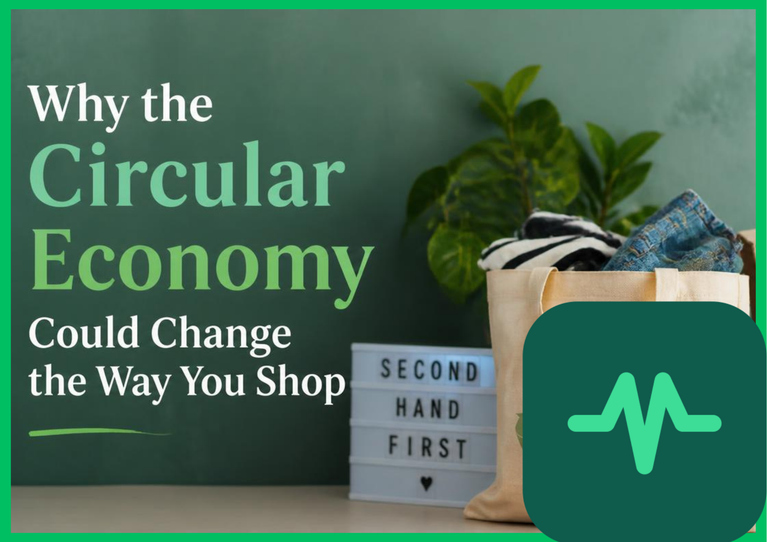
For a long time, the consumer economy followed a genuinely simple pattern. Buy. Use. Throw away. Repeat.
That model creates real waste, more than most people stop to consider. It also requires constant extraction of new resources, over and over, to keep feeding the cycle. The circular economy offers a genuinely different approach. Instead of quickly throwing products away, the goal is keeping them useful for as long as possible.
What Is the Circular Economy?
A circular economy aims to reduce waste and keep products, components, and materials genuinely in use. That happens through several real strategies working together:
- Repair
- Reuse
- Refurbishment
- Sharing
- Remanufacturing
- Recycling
The idea, at its core, is refreshingly simple. Keep real value inside the system, rather than letting it get discarded prematurely.
Repair Comes First
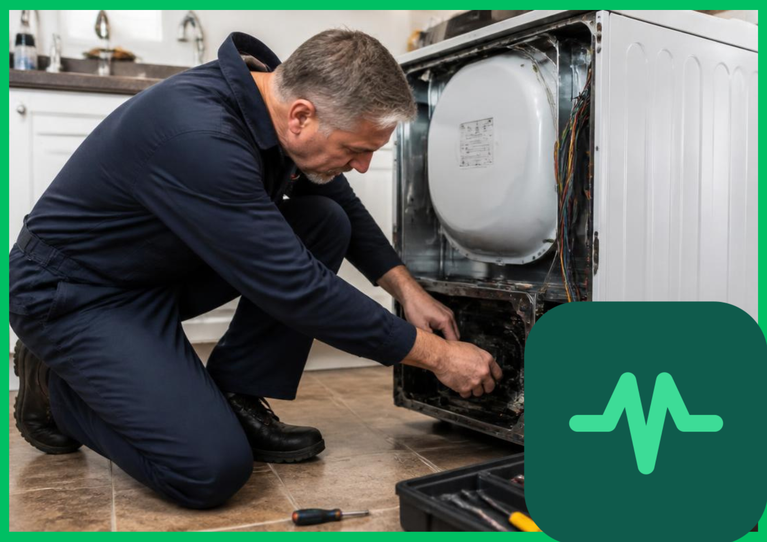
Repair is genuinely one of the simplest circular strategies available. A broken product doesn't always need to be replaced entirely.
A new battery may fix a phone that seemed dead. A replacement component may fix an appliance that stopped working. A software update may genuinely extend the useful life of a computer that felt outdated. Small fixes, in other words, often go further than people assume.
Reuse
Reuse is another genuinely important part of this picture. A product one person no longer needs may still be genuinely useful to someone else entirely.
Second-hand markets make this possible at real scale. Online marketplaces have made reuse noticeably easier in many countries, connecting sellers and buyers who never would have found each other before.
Refurbishment
Refurbished products sit somewhere between used and brand new. A product gets inspected carefully first. Faulty parts get replaced as needed.
It then gets tested thoroughly before being sold again to a new owner. This creates a genuinely lower-cost option for consumers, without sacrificing much in terms of real reliability.
Sharing
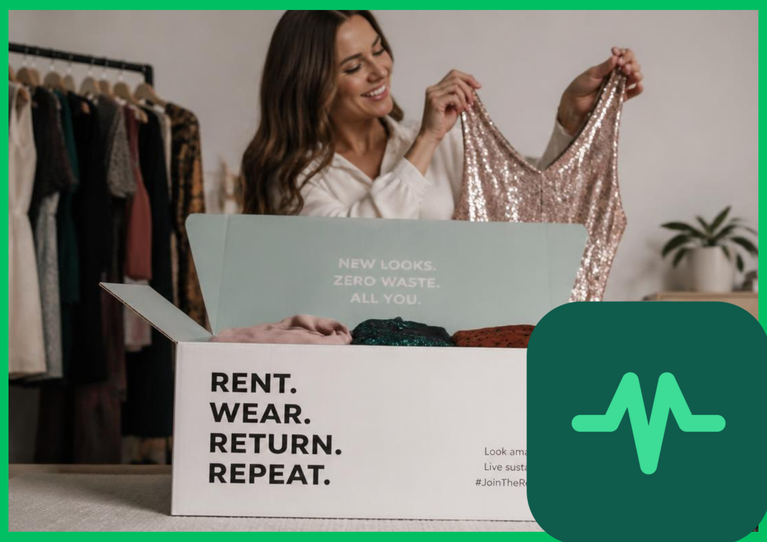
Not everything genuinely needs to be individually owned. Sharing models let people access products exactly when they need them, rather than owning something that sits unused most of the time.
Examples include vehicle-sharing services and equipment-sharing systems, among others. The exact models vary quite a bit between different markets and communities.
Why Companies Are Interested
Circular models create genuine new business opportunities too, not just consumer benefits. Companies can sell refurbished products directly. They can offer repair services as an ongoing revenue stream.
They can recover components from returned products for reuse. They can also develop subscription or product-as-a-service models, where customers pay for access rather than outright ownership.
Consumers Could Benefit
A circular economy doesn't only benefit the environment, and that's worth emphasizing. It genuinely benefits consumers too, in real, practical ways.
Repair reduces replacement costs directly. Second-hand products cost less than buying new. Refurbished technology provides access to genuinely useful devices at meaningfully lower prices, opening doors for budget-conscious shoppers.
Product Design Matters
Circularity genuinely begins with design, before a product ever reaches a store. A product that can't be opened easily is difficult to repair, no matter how willing the owner is to try.
A product made from mixed materials is difficult to recycle properly too. Manufacturers, because of this, carry a genuinely important role in making circularity possible in the first place.
Technology Can Help
Digital tools genuinely support circular markets in practical ways. Software can track products throughout their entire lifecycle. Digital platforms connect buyers and sellers efficiently, making second-hand transactions genuinely easy.
Smart labels can provide real information about a product's materials and repair history. Artificial intelligence can even support sorting and recycling processes, improving accuracy beyond what manual sorting alone could achieve.
The Challenge of Quality
Consumers genuinely need confidence before buying into any of this. A refurbished phone should work properly, not just look fine on the surface. A repaired appliance should be genuinely safe to use.
A second-hand product should be accurately described, not misrepresented to make a sale. Strong standards and real warranties help build that trust, giving consumers genuine confidence in choices beyond simply buying new.
A Different Idea of "New"
The circular economy genuinely challenges the assumption that newer is always better. A product doesn't have to be brand new to hold real value.
Sometimes, an existing product meets a consumer's needs perfectly well, without any modification at all. That realization alone can reduce a lot of unnecessary consumption, simply by questioning an assumption most of us never stop to examine.
EcoGreenPulse View
The circular economy could become one of the most important shifts in consumer markets going forward. It moves attention away from simply selling more products, toward genuinely getting more value from products that already exist.
Conclusion
The future of shopping may genuinely look different than it does today. Consumers could repair more instead of replacing. They could buy refurbished products with real confidence. They could reuse items rather than discarding them.
Companies could design products specifically to last longer, not just to sell faster. Recycling could become the final step in a product's life, rather than the first solution reached for. The circular economy, at its heart, is about one genuinely simple idea: waste shouldn't be the automatic end of a product's life.
Sources: United Nations Environment Programme and European Commission resources on circular economy, sustainable consumption, and product policy.
Comments (0)
Login to leave a comment.
No comments yet. Be the first to share your thoughts!