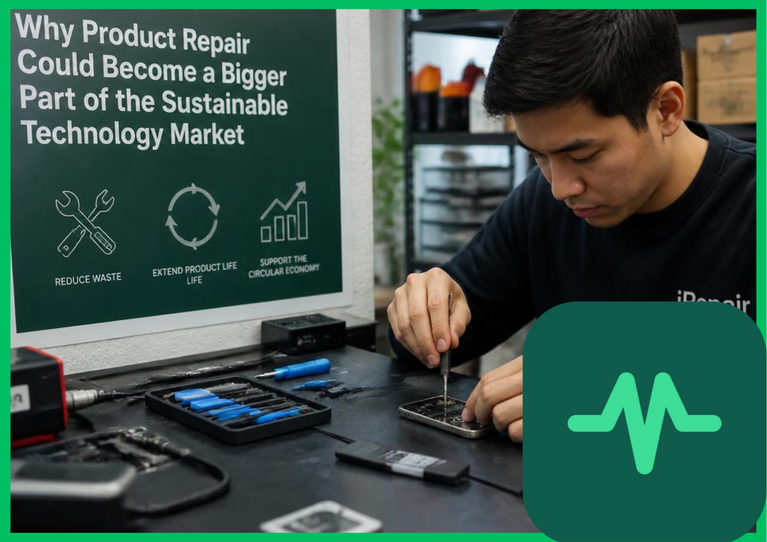
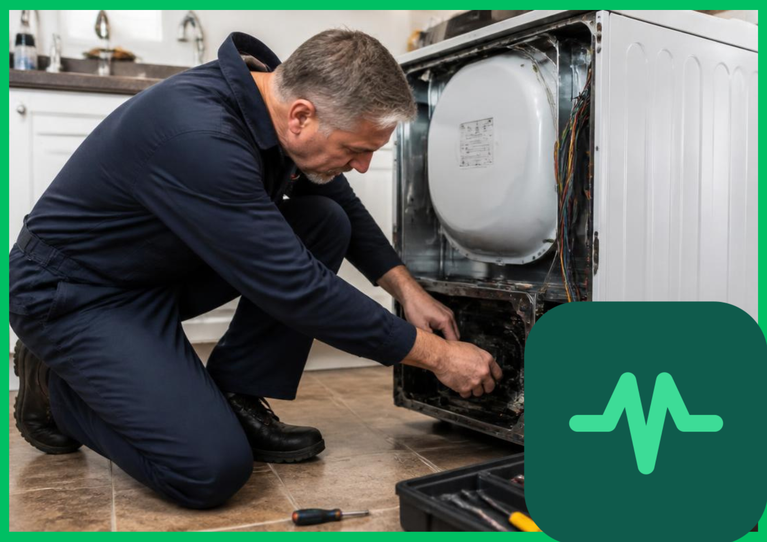
A phone stops working. A washing machine develops a fault. A laptop becomes slow. A small appliance breaks down without warning.
The easy response is usually to replace it. There's another option worth considering first, though: repair. Product repair can genuinely extend the useful life of things you already own, reducing the amount of material entering the waste stream in the process.
Why Repair Matters
Every new product requires real resources to make. Materials must be extracted from the earth. Factories must produce components. Products must be transported, often across long distances. Packaging must be manufactured too, adding its own footprint.
Energy is required throughout this entire process, start to finish. When a product can be repaired instead of replaced, some of these real impacts can be avoided entirely, simply by keeping what already exists in working order.
Repair and the Circular Economy
Repair is a genuinely important part of the circular economy. The core idea is keeping products and materials in use for as long as possible, rather than discarding them the moment something goes wrong.
A simple circular model looks like this:
Buy → Use → Repair → Use Again
Only when repair genuinely isn't practical anymore should recycling become the next real option, not the first one reached for.
Electronics Are a Major Opportunity
Electronic products can be genuinely difficult to repair, and that's worth acknowledging honestly. Some devices are designed in ways that make opening them up a real challenge. Other products use specialized parts that aren't easy to source.
Software affects repair too, in ways people don't always consider. If manufacturers keep providing updates and replacement components, products can stay useful for far longer than they otherwise would.
Batteries Matter
Batteries are often the component that ages fastest in portable electronics, wearing down well before the rest of the device does. A phone or laptop may still work perfectly well, even as its battery becomes noticeably less effective over time.
If that battery can actually be replaced, the product can keep operating for years longer. That's genuinely better than replacing the entire device just because one component wore out.
The Right to Repair
The right-to-repair movement has gained real attention in different parts of the world in recent years. The broad idea is making repairs genuinely easier for consumers and independent repair businesses alike, not just the manufacturer's own service centers.
Rules vary quite a bit by country. Still, this movement is encouraging real, meaningful conversations about product design and consumer rights, conversations that simply weren't happening at this scale before.
Repair Can Save Money
Let's be honest, repair isn't always cheaper than replacement. Sometimes the cost of a repair genuinely approaches the price of buying something new entirely.
Affordable repairs, though, can meaningfully extend the life of expensive products. This proves especially valuable for appliances, computers, and other durable goods, items where the upfront cost was significant enough that a repair genuinely makes financial sense.
Repair Shops Could Benefit
A stronger repair economy could create real opportunities for local businesses too, not just individual consumers. Technicians can repair phones. They can repair computers. They can service appliances that would otherwise get tossed.
They can also refurbish used products for resale. This creates genuine local jobs while reducing waste at the same time, a rare win-win worth supporting.
Manufacturers Have a Role
Manufacturers carry real responsibility here too. They can make products genuinely easier to repair from the design stage onward. They can provide spare parts to consumers and independent shops alike. They can share repair information openly, rather than keeping it locked away.
They can design components that are easier to replace when something wears out. They can also support products with ongoing software updates, keeping devices useful well beyond their first year or two.
Product Design Is Critical
A product's environmental impact gets shaped long before it ever reaches a consumer's hands. Design decisions determine whether it can even be opened up for repair in the first place.
They influence whether components can genuinely be replaced when they fail. They also affect whether materials can eventually be recovered at end of life. Sustainable design, in other words, begins well before recycling ever enters the picture.
What Consumers Can Do
Before buying a product, check whether it's genuinely repairable. Look into whether replacement parts are actually available. Check warranty terms carefully. Look at repair options in your own area before you need them.
Also consider the product's expected lifespan honestly. The cheapest product at checkout isn't always the cheapest option once you account for the years ahead.
Repair and Refurbishment
Repair also supports refurbishment directly. A used laptop, phone, or appliance can be repaired and sold again to a new owner. This gives the product a genuine second life.
It also creates another opportunity to recover real value from the original materials and manufacturing effort that went into making it in the first place, rather than letting that investment go to waste.
The Emotional Benefit
There's also something genuinely satisfying about repairing an item instead of simply throwing it away. A familiar device keeps working. A useful appliance stays right where it belongs, in your home.
And something that might have become waste gets another real chance instead. That simple shift in thinking can have a surprisingly powerful effect, both on your wallet and on how much ends up in a landfill.
EcoGreenPulse View
Product repair may not sound as exciting as artificial intelligence, electric cars, or advanced batteries. It could have a genuinely major impact on sustainability all the same.
The most sustainable product, more often than not, is simply the one that never needed replacing in the first place.
Conclusion
The future of sustainable technology isn't only about creating new products. It's also about making the products we already own last longer.
Repair. Reuse. Refurbishment. Recycling. These ideas genuinely work together, each supporting the others. For consumers, better repair options can mean lower costs, less waste, and more real control over the products they own.
As the circular economy keeps growing, product repair could become an increasingly important part of everyday life, not a niche concern but a genuinely normal first step before replacement.
Sources: United Nations Environment Programme resources on sustainable consumption and circularity; European Commission resources on product sustainability and repair policy.


Comments (0)
Login to leave a comment.
No comments yet. Be the first to share your thoughts!