
Dynamic Glass: Electrochromic Solar Heat Control
Electrochromic smart glass adjusts its solar heat gain coefficient dynamically via low-voltage electrical currents across transition metal oxide …
Our editorial team's curated selection of deep-dive engineering analyses, market reports, and clean-technology benchmarks.
Electrochromic smart glass adjusts its solar heat gain coefficient dynamically via low-voltage electrical currents across transition metal oxide …
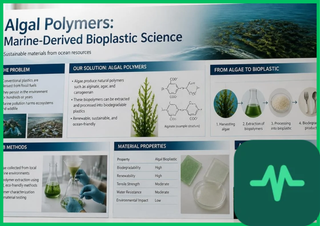
Algae-based biopolymers extract structural carbohydrates from microalgae biomass to form biodegradable thermoplastics. Grounded in academic polymer research, this …

Reclaiming carbon fibers from end-of-life structural parts requires thermal pyrolysis and chemical matrix removal. Citing academic materials engineering …

Mycelium biocomposites utilize fungal hyphae network growth to bind agricultural waste into structural thermal insulation panels. Supported by …
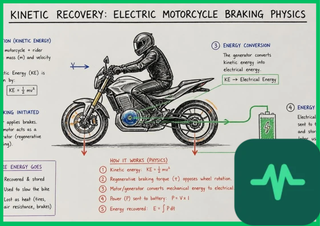
Regenerative braking systems convert kinetic deceleration energy back into electrical energy via brushless motor inversion. Grounded in vehicle …
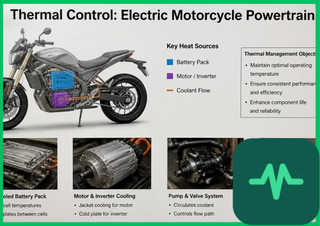
High-discharge electric motorcycle powertrains generate intense thermal loads that require advanced liquid cooling and inverter thermal management. Citing …

The global energy transition threatens high-cost fossil fuel assets with premature economic obsolescence and capital write-downs. Supported by …

Clean energy investment models evaluate capital expenditure requirements and long-term operating cost certainty across decarbonized infrastructure. Grounded in …

Artificial photosynthesis systems mimic natural botanical pathways using semiconductor photoelectrodes to split water and synthesize solar hydrocarbons. Citing …
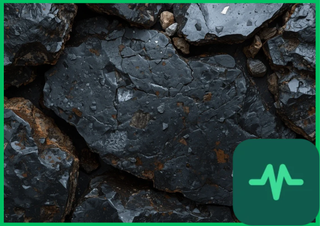
Carbon mineralization technology reacts captured carbon dioxide with calcium-rich industrial byproducts to form stable carbonate minerals. Supported by …

Biochar carbon sequestration converts agricultural biomass into stable aromatic carbon structures via controlled thermal pyrolysis. Backed by academic …

Chemical recycling processes break down blended synthetic and natural garments into monomer building blocks for closed-loop manufacturing. Citing …