Thermal Pyrolysis Physics and Biomass Devolatilization
Pyrolysis is the thermal degradation of carbonaceous biomass in an oxygen-depleted environment at temperatures ranging between  and
 (
 to
 ). Unlike combustion—which oxidizes biomass completely into carbon dioxide and water—pyrolysis breaks complex biopolymers down into three distinct primary phases: solid biochar, condensable bio-oil, and non-condensable syngas.
The three primary organic constituents of biomass—cellulose, hemicellulose, and lignin—degrade across distinct thermal intervals:
- Hemicellulose Decomposition: Occurs between
 and
 (
 to
 ), yielding volatile gases and intermediate tars.
- Cellulose Degradation: Proceeds rapidly between
 and
 (
 to
 ), producing anhydro-celluloses and levoglucosan.
- Lignin Carbonization: Exhibits a broad thermal degradation range from
 to
 (
 to
 ), forming aromatic carbon ring structures and stable polycyclic aromatic hydrocarbons characteristic of durable biochar.
Controlling reactor heating rates (ranging from slow pyrolysis heating rates of  to
 per second up to fast pyrolysis rates exceeding
 per second) determines product yields. Slow pyrolysis maximizes solid biochar yield (reaching 35% to 50% dry weight conversion), whereas fast pyrolysis optimizes bio-oil production.
Porous Microstructure and Soil Water Retention Mechanics
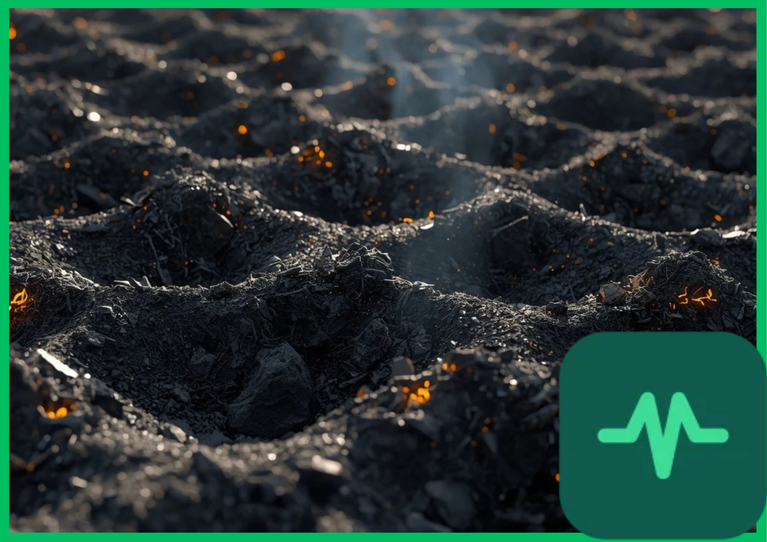
The physical architecture of biochar is defined by a highly porous honeycomb matrix inherited from the cellular structure of the parent biomass. Scanning electron microscopy (SEM) reveals hierarchical pore distributions comprising macropores ( ), mesopores (
 to
 ), and micropores (
 ).
This complex pore network yields massive specific surface areas ranging from  to over
 (
 to
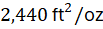 ) as measured via Brunauer-Emmett-Teller (BET) nitrogen adsorption analysis. When integrated into agricultural soil profiles, biochar's high surface area and cation exchange capacity (CEC)—often exceeding
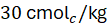 —deliver significant agronomic benefits:
- Water Retention Capacity: Microporous capillary forces trap moisture within soil matrices, reducing irrigation water requirements by 15% to 30% in arid agricultural regions.
- Nutrient Adsorption: Negatively charged functional groups (such as carboxyl and phenolic hydroxyl groups) on biochar surfaces adsorb essential plant nutrients (
 ,
 ,
 ), preventing agricultural fertilizer leaching into aquatic ecosystems.
- Microbial Habitat: Pores provide protected micro-habitats for mycorrhizal fungi and beneficial soil bacteria, enhancing microbial biomass turnover and soil organic carbon stabilization.
Technical Data Specifications of Pyrolytic Biochar Parameters
| Technical Parameter | Engineering Specification Range |
|---|---|
| Pyrolysis Operating Temperature |  to  (  to  ) |
| Solid Biochar Mass Yield | 35% to 50% dry feedstock input mass |
| Specific Surface Area (BET) |  to  (  to 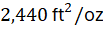 ) |
| Carbon Content (Fixed Carbon) | 65% to 90% elemental carbon dry basis |
| Sequestration Half-Life | 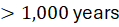 under deep soil burial conditions |
| Cation Exchange Capacity (CEC) | 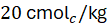 to 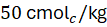 |
Sequestration Permanence and Carbon Half-Life Dynamics
The fundamental climate mitigation value of biochar rests upon its exceptional chemical recalcitrance and resistance to microbial decomposition. While un-charred biomass decomposes rapidly through biological oxidation within decades—returning carbon dioxide back to the atmosphere—pyrolytic carbonization converts labile aliphatic carbon chains into chemically stable aromatic ring structures.
Academic soil science research and IPCC carbon accounting frameworks classify biochar carbon permanence using atomic hydrogen-to-carbon ratios ( ). High-temperature pyrolysis (
 or
 ) drives off volatile hydrogen and oxygen functional groups, achieving atomic
 ratios below
 , which satisfies international standards for durable carbon removal.
Biochar permanence is quantified by its carbon half-life ( ), which exceeds
 under standard soil burial conditions. This multi-century stability qualifies pyrolytic carbon removal for high-integrity carbon credit markets, providing a reliable offset mechanism that avoids the reversal and forest-fire vulnerability plaguing traditional biological sequestration projects.
Syngas Recovery Loops and Energy Self-Sufficiency
Industrial biochar production facilities operate as energy-integrated biorefineries rather than standalone emitters. The volatile gases released during biomass devolatilization—comprising carbon monoxide ( ), hydrogen (
 ), methane (
 ), and low-molecular-weight hydrocarbons—are captured and channeled into thermal oxidizers or direct-coupled internal combustion engines.
Combusting these non-condensable syngas streams supplies the endothermic thermal energy required to sustain reactor core temperatures, achieving net energy self-sufficiency. Excess thermal energy is recovered via waste-heat boilers or organic Rankine cycle (ORC) generators, exporting clean electricity to local microgrids. Furthermore, condensing bio-oil fractions yields valuable biochemical precursors, avoiding fossil resource consumption across chemical manufacturing sectors.
Quantitative life-cycle assessments published by the IEA and academic research consortia confirm that deploying biochar across global agricultural soils removes billions of metric tons of  annually while simultaneously restoring degraded arable land, establishing a scalable, permanent carbon removal industry.

Comments (0)
Login to leave a comment.
No comments yet. Be the first to share your thoughts!