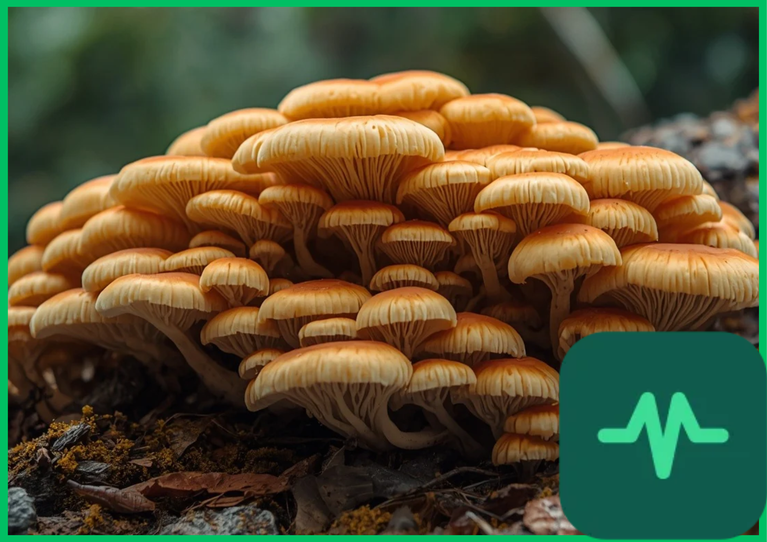
Fungal Growth Kinetics and Mycelial Biocomposite Synthesis
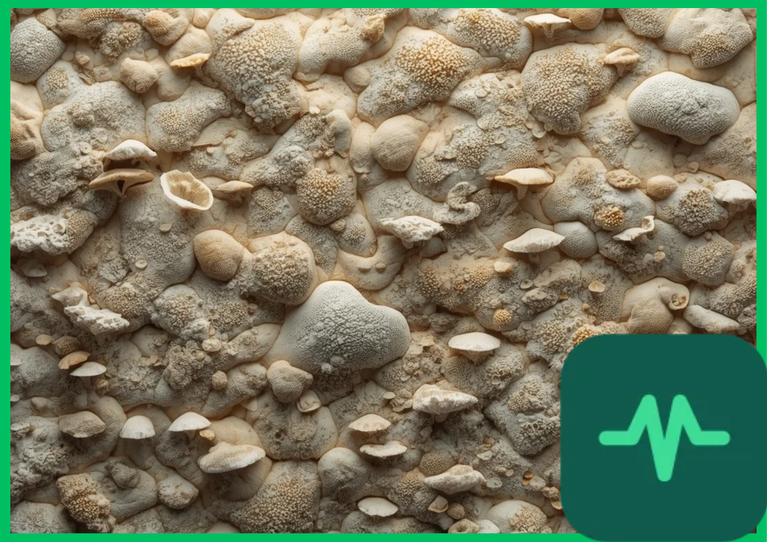
The manufacturing of mycelium thermal insulation involves inoculating sterilized agricultural waste substrates with fungal species such as Pleurotus ostretus (oyster mushroom) or Ganoderma lucidum. Fungal hyphae—microscopic tubular filaments—germinate and proliferate throughout the organic substrate over a 5- to 10-day incubation period under controlled temperature and humidity regimes.
During this colonization phase, the fungal organism secretes extracellular hydrolytic enzymes, including laccases, manganese peroxidases, and cellulases, which break down complex lignocellulosic biomass. The hyphae digest hemicellulose and lignin while consuming cellulose as an energy source, binding the loose substrate particles together into a dense, interconnected solid network.
Once the fungal network permeates the entire substrate mold, thermal pressing or microwave irradiation halts further biological growth. This thermal treatment kills the fungal spores and denatures active enzymes, stabilizing the structural matrix while preventing subsequent spore germination in building applications.
Thermal Conductivity Coefficients and Microstructural Porosity
The thermal insulation efficacy of any building material is defined by its thermal conductivity coefficient ( -value or lambda value, measured in
 ). Mycelium thermal insulation achieves low thermal conductivity coefficients ranging from
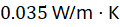 to
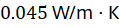 , performing comparably to commercial expanded polystyrene and mineral wool insulation batts.
This high thermal resistance stems directly from the microstructural porosity of the fungal biocomposite matrix:
- Cellular Air Pockets: The microscopic voids enclosed by interweaving hyphal cell walls and loose agricultural particle matrices trap air molecules, suppressing convective heat transfer currents.
- Low Apparent Density: Controlling growth density yields apparent bulk densities between
 and
 (
 to
 ), minimizing solid-phase conductive pathways across the material cross-section.
- Knudsen Effect Integration: Pores with dimensions smaller than the mean free path of air molecules restrict gas molecule collisions, further suppressing thermal transmission in highly optimized fungal foams.
Fire Retardancy and Pyrolysis Behavior
Building safety standards mandate rigorous fire performance criteria for residential and commercial insulation assemblies. Unlike petroleum-derived polymer foams that melt, drip, and release toxic hydrogen cyanide or halogenated flame retardants when exposed to flame, mycelium biocomposites exhibit inherent flame retardancy and self-extinguishing properties.
Fungal cell walls contain chitin—a long-chain polymer of N-acetylglucosamine—alongside structural proteins and beta-glucans. When exposed to high radiant heat flux or direct flame ignition, chitin and lignocellulosic substrate fibers undergo carbonization rather than rapid combustion.
Thermal gravimetric analysis (TGA) demonstrates that fungal biocomposites form an insulating char layer upon initial thermal exposure. This surface char expands, blocking oxygen diffusion to underlying material layers and preventing flame propagation. Furthermore, biological cell walls release bound water molecules endothermally during initial thermal degradation, suppressing surface temperatures below critical flashpoint thresholds without requiring hazardous chemical fire retardants.
Technical Data Specifications of Mycelium Insulation Parameters
| Material & Thermal Parameter | Engineering Specification Range |
|---|---|
Thermal Conductivity ( -value) | 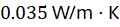 to 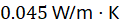 |
| Apparent Dry Bulk Density |  to  ( 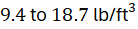 ) |
| Compressive Strength |  to  (  to  ) |
| Incubation Growth Period | 5 to 10 days controlled fungal colonization |
| Operating Temperature Limit |  to  (  to  ) |
Water Vapor Resistance Factor ( ) | 5 to 20 (vapor-permeable matrix) |
| End-of-Life Biodegradation | 30 to 90 days in industrial or soil composting |
Moisture Vapor Permeability and Hygrothermal Performance
Hygrothermal performance governs how building insulation handles moisture diffusion, condensation risks, and mold proliferation. Conventional vapor-closed plastic foams trap moisture inside wall cavities, causing structural wood rot and indoor air quality degradation.
Mycelium biocomposites exhibit high water vapor permeability, functioning as a breathable insulation medium. The hydrophilic nature of fungal cell walls and agricultural fibers allows the material to absorb and desorb ambient moisture vapor without losing structural integrity or suffering fungal reactivation (since the organism is thermally killed during manufacturing).
Water vapor resistance factor ( ) values range between 5 and 20, permitting moisture to diffuse safely through building envelopes. Applying non-toxic hydrophobic bio-coatings (such as natural plant oils or chitosan emulsions) regulates water absorption rates when deployed in high-humidity building environments.
Circular Economy Realities and Embodied Carbon Reductions
Quantitative life-cycle assessments (LCAs) published by the UNEP and academic sustainable architecture research consortia confirm that mycelium thermal insulation achieves net-negative embodied carbon emissions during raw material production. Because growing fungal hyphae sequesters atmospheric carbon captured by agricultural crops during photosynthesis, and manufacturing requires zero high-temperature petrochemical refining, fungal insulation eliminates fossil fuel consumption.
At the end of a building's operational lifecycle, mycelium panels are stripped from wall assemblies and placed directly into industrial composting facilities or agricultural soil beds. Soil microorganisms and bacterial enzymes break down the hyphal cell walls and agricultural substrate within 30 to 90 days, returning organic nutrients to the soil and completing a closed-loop material cycle. By scaling fungal biotechnology, the construction industry transitions from carbon-intensive synthetic plastics toward regenerative, bio-based building envelopes.
Comments (0)
Login to leave a comment.
No comments yet. Be the first to share your thoughts!