Investigative journalists exposed forests that were never actually at risk of being cut down. They found credits sold multiple times to different buyers. This fraud damaged public trust in corporate sustainability claims across the entire country.
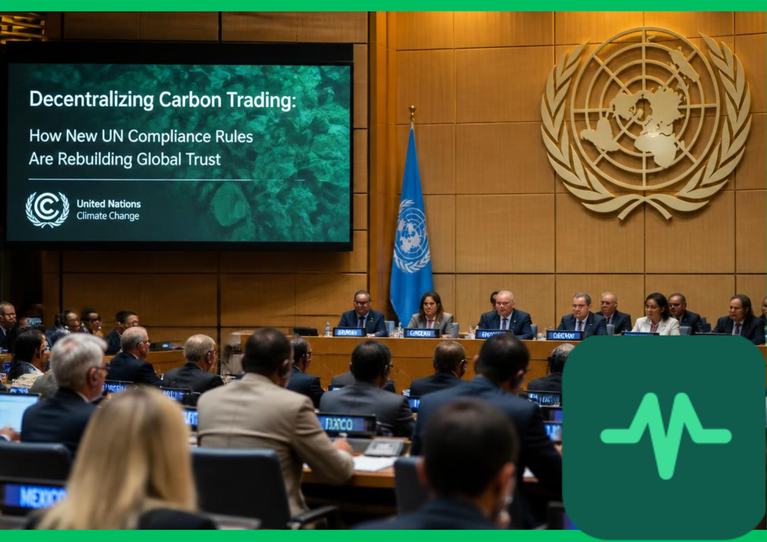
This is exactly the trust gap UN carbon compliance framework was designed to close. Old voluntary markets relied on loose regulation. This framework works differently. It brings official United Nations oversight directly into the process. That gives American buyers real confidence in what they are purchasing. This confidence is the whole point behind UN carbon compliance framework.
What Exactly Is the UN Carbon Compliance Framework?
So what is UN carbon compliance framework, in simple terms? It comes from the Paris Agreement, the major international climate treaty. Article 6 creates official rules for countries to buy, sell, and trade verified carbon reductions across borders.
These traded credits get a specific name. They are called Internationally Transferred Mitigation Outcomes, often shortened to ITMOs. UN carbon compliance framework establishes strict United Nations oversight for these transactions. The old voluntary market never had this kind of oversight.
This matters enormously for credibility. UN carbon compliance framework is not just another private certification label. It carries the weight of an actual international treaty. It stands on government-level accountability, not loose corporate promises.
How This System Prevents Double Counting
One of the biggest scandals plaguing old carbon markets involved double counting. The same carbon reduction sometimes got claimed by multiple buyers at once. UN carbon compliance framework fixes this problem directly, through something called a Corresponding Adjustment. This fix is one of the most important features built into UN carbon compliance framework.
Here is how it works in practice. Imagine Switzerland pays for a solar project in Ghana. Once Ghana sells that carbon credit to Switzerland, something important happens. Ghana must legally add that same emission reduction back onto its own national ledger. It counts as an obligation, not a benefit. This prevents Ghana from claiming that reduction toward its own climate goals too.
This rule feels almost like simple, common-sense accounting. UN carbon compliance framework ensures a single ton of reduced carbon dioxide only counts once. This holds true globally, no matter how many parties touch the transaction along the way.
Why American Businesses Should Care About This Shift
American corporations face real pressure to show genuine climate progress. Shareholders ask questions. Customers pay attention to sustainability claims. Regulators are increasingly scrutinizing corporate environmental statements too.
UN carbon compliance framework offers American companies a far more credible option than the old voluntary market. Credits verified under this framework carry official UN backing. This gives businesses stronger legal and reputational protection when making public climate claims. This backing is what makes UN carbon compliance framework so different from what came before.
This matters for companies still recovering from past greenwashing headlines. UN carbon compliance framework provides a genuine path back toward credible sustainability reporting, something many American brands need badly after years of public skepticism.
Two Separate Systems Working Together
UN carbon compliance framework actually splits into two related frameworks. Article 6.2 covers direct, country-to-country deals. One nation funds a clean energy project in another nation, then claims the resulting carbon credits toward its own climate targets.
Article 6.4 works differently. It creates a centralized, UN-supervised marketplace. Private companies and developers can trade verified carbon credits there under consistent, unified rules. This structure feels far more organized than the old, scattered voluntary market American companies previously relied upon.
Together, these two systems give UN carbon compliance framework real flexibility. Countries can strike direct deals when it makes sense. Private companies can also access a broader, regulated marketplace, all under the same underlying integrity standards.
Why Developing Nations Are Building New Digital Systems
This shift is not just about American buyers. Countries across Africa, Asia, and South America are racing to build digital carbon registries of their own. These nations recognize their forests, wetlands, and natural ecosystems as valuable assets within this new market.
UN carbon compliance framework pushes these countries to formalize their carbon markets through official state agencies. This helps ensure something important. Revenue from carbon credits actually stays within these nations. It funds real local infrastructure instead of disappearing into unclear channels.
This matters for American investors too. Verified, government-backed carbon projects feel far more trustworthy than the loosely monitored voluntary projects that led to past scandals. UN carbon compliance framework gives American capital a clearer, safer path. It leads toward funding legitimate climate projects abroad.
What This Means for American Climate Investment
Beyond corporate offset purchases, UN carbon compliance framework opens new investment opportunities for American businesses and financial institutions. Verified international carbon projects now offer a more transparent, lower-risk investment category than before.
This transparency could attract serious American capital into global clean energy and conservation projects. Investors who once hesitated due to fraud concerns now have something new. They have a regulated framework offering real accountability. It is backed by official United Nations oversight, not private, sometimes unreliable, certification bodies.
For American financial institutions exploring sustainable investment products, UN carbon compliance framework offers a genuinely more credible foundation to build upon, compared to the fragmented voluntary market that dominated the past decade.
Addressing Skepticism From American Companies
Given past scandals, some American companies remain understandably cautious about carbon credits in general. This skepticism makes sense. Nobody wants another embarrassing headline about worthless offsets purchased in good faith.
UN carbon compliance framework directly addresses this hesitation through its strict, government-level verification process. Unlike the old voluntary market, this system requires official national reporting. It also requires UN-level oversight. Together, these steps create real accountability that private certification bodies often lacked.
As more American companies participate successfully in UN carbon compliance framework, trust should gradually rebuild across the corporate sustainability world. Real, verified results tend to work better than promises alone when it comes to winning back skeptical stakeholders.
The Bigger Picture for Global Climate Finance
UN carbon compliance framework represents something larger than just fixing old scandals. It creates a genuine pathway for wealthy nations. This includes the United States. These nations can help fund clean energy infrastructure in developing countries. In return, they receive verified credit toward broader climate goals.
This matters because climate change does not respect national borders. Emissions reduced anywhere on the planet benefit the entire globe equally. UN carbon compliance framework formalizes this reality. It creates official channels for international cooperation, instead of relying on scattered, informal arrangements.
For American policymakers and businesses thinking about long-term climate strategy, this framework offers something valuable. It is a credible, rules-based system to engage with. That beats the murky, scandal-prone voluntary market that dominated headlines in recent years. UN carbon compliance framework gives them exactly that kind of stable foundation.
Common Questions About the UN Carbon Compliance Framework
Why did American companies lose trust in carbon credits before Article 6? Investigations revealed many voluntary credits were based on exaggerated or fraudulent claims, including forests that were never truly at risk and credits sold multiple times.
How does UN carbon compliance framework prevent double counting? Through a rule called Corresponding Adjustment, which requires selling countries to add sold emission reductions back onto their own national ledger, ensuring each credit only counts once.
What is the difference between Article 6.2 and Article 6.4? Article 6.2 covers direct country-to-country deals, while Article 6.4 creates a centralized, UN-supervised marketplace for private companies and developers.
Can American companies participate in UN carbon compliance framework? Yes. American businesses can purchase verified credits or invest in projects operating under this framework, gaining stronger credibility than older voluntary market options offered.
Real Challenges Still Facing This System
It would be unfair to pretend UN carbon compliance framework solves every problem perfectly. Real challenges remain. Honest discussion matters here. Implementing this framework requires significant technical infrastructure. This is especially true in developing nations building digital registries for the first time.
Some countries lack the resources to quickly establish robust tracking systems required under UN carbon compliance framework. This could slow adoption in regions that might benefit the most from foreign investment tied to verified carbon projects. Building trust also takes time. This is especially true among American companies still wary from past voluntary market scandals.
Despite these challenges, momentum continues building steadily. More countries are joining UN carbon compliance framework each year, and early pilot transactions are demonstrating that the Corresponding Adjustment system works as intended in real-world conditions, not just on paper.
How This Compares to America's Domestic Carbon Programs
It helps to compare UN carbon compliance framework to carbon markets already familiar to American businesses. Some U.S. states, like California, already operate their own cap-and-trade programs for domestic emissions reduction. These programs share some similarities with UN carbon compliance framework. Both rely heavily on strict verification and tracking requirements.
However, UN carbon compliance framework operates at a much larger, international scale. California's system covers emissions within state borders. UN carbon compliance framework connects entire nations instead. It enables cross-border investment and credit transfers that domestic programs simply cannot facilitate on their own.
For American companies already familiar with state-level carbon compliance, UN carbon compliance framework should feel like a natural extension of concepts they already understand. It just applies globally instead of regionally. This familiarity could help ease the transition for businesses expanding their climate strategy beyond domestic borders.
Final Thoughts
UN carbon compliance framework offers a real, practical answer to a trust crisis. That crisis damaged American corporate sustainability efforts for years. Fraudulent credits and double counting scandals left companies embarrassed and consumers skeptical. This new framework tackles both problems directly. Few policy shifts in recent years matter as much as UN carbon compliance framework does for rebuilding that lost trust.
UN carbon compliance framework brings real structure to a market that desperately needed it. This runs from official UN oversight to the Corresponding Adjustment rule preventing double counting. This is not just another certification label. It carries genuine international treaty backing that older systems never had.
As more American companies and investors engage with this system, expect real change. UN carbon compliance framework could become the new standard for credible climate claims. It would replace the fragmented, scandal-prone voluntary market that came before it. This shift offers real hope for businesses trying to rebuild trust with skeptical customers and shareholders. UN carbon compliance framework gives them a genuine, verifiable way to do exactly that.
In the end, UN carbon compliance framework reminds us that good intentions alone were never enough to fix climate finance. Real accountability, backed by real rules, is what finally makes carbon credits something American companies and investors can trust again.
Comments (0)
Login to leave a comment.
No comments yet. Be the first to share your thoughts!