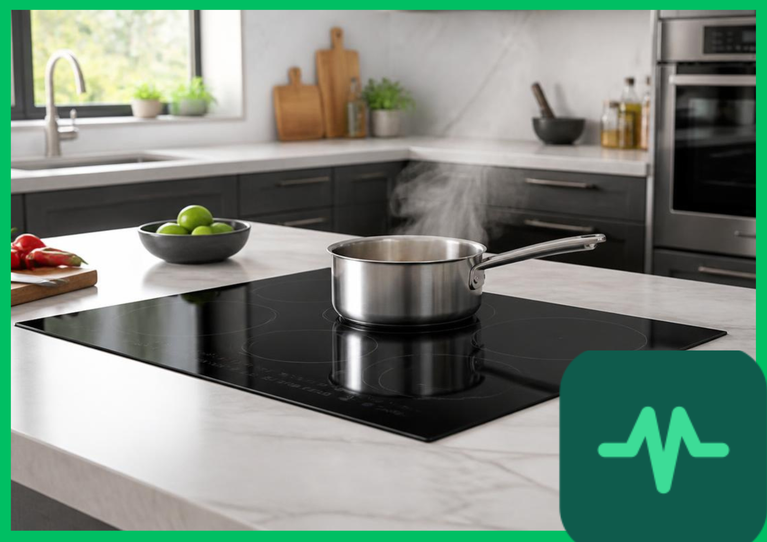
For decades, gas stoves were treated as the gold standard in American kitchens. Chefs loved them. Home cooks trusted them. Nobody thought much about what those open flames were actually doing to indoor air. Recent research changed that picture completely. Induction cooktops step into this gap with a genuinely safer, cleaner alternative.
In this guide, we will explore how induction cooktops actually work. We will look at the real American health concerns tied to gas stoves. We will also look at why induction cooktops save real money on energy bills too. By the end, you will understand why so many American households are making this switch.
The Real Problem: Gas Stoves and Indoor Air Quality
Let's start with the actual problem. Gas stoves burn methane fuel right inside your kitchen. That combustion releases real pollutants directly into your home. Nitrogen dioxide. Benzene. Carbon monoxide. These are not small, harmless byproducts.
Many American kitchens lack strong ventilation. Range hoods often vent poorly, or homeowners simply forget to turn them on. This means these toxic gases build up indoors, sometimes reaching levels that would be considered unsafe outdoors.
This is exactly the health risk induction cooktops were designed to eliminate. Instead of burning fuel inside your home, induction cooktops use electricity and magnetism instead. No flame. No combustion. No toxic gas released into your kitchen air.
What Exactly Are Induction Cooktops?
So what are induction cooktops, in simple terms? They are stoves that heat your cookware directly, using magnetic energy instead of fire or glowing metal coils. Beneath the smooth glass surface sits a coil of copper wire.
When you turn on the appliance, electricity flows through this coil, creating a magnetic field. When you set a magnetic pan on top, that field generates heat directly inside the metal itself. The pan gets hot. The glass surface around it stays remarkably cool.
This is a genuinely different approach compared to old gas or electric coil stoves. Induction cooktops skip the middle step of heating air or metal coils first. They go straight to heating your food, quickly and efficiently.
Solving a Health Problem Many Americans Do Not Know About
Here is something many American families have never considered. Gas stove pollution can be a serious concern for children especially. Growing lungs are more sensitive to nitrogen dioxide exposure than adult lungs.
Studies connecting childhood asthma to gas stove use have raised real alarm in recent years. Families cooking daily on gas burners may be exposing kids to pollutant levels that would violate outdoor air quality standards if measured outside instead of inside a kitchen.
Induction cooktops remove this risk entirely. Without any combustion happening, there is no nitrogen dioxide or carbon monoxide released into your home. For parents concerned about their children's health, induction cooktops offer real, measurable peace of mind.
Why Induction Cooktops Waste So Little Energy
Beyond health, induction cooktops solve another very American problem: wasted money on energy bills. Gas stoves are surprisingly inefficient. A large amount of heat escapes into the surrounding kitchen air instead of actually cooking your food.
Induction cooktops flip this equation completely. Because they heat the pan directly, almost all the generated energy goes straight into your food. This technology reaches up to 90 percent efficiency, compared to roughly 40 percent efficiency for a standard gas burner.
This efficiency difference matters for American households watching their utility bills closely. Induction cooktops waste far less energy heating up your kitchen unnecessarily, which can also help keep your home cooler during hot summer cooking sessions.
Instant Control, Just Like Gas
One common concern among American home cooks involves control. Chefs love gas stoves because flames respond instantly to adjustments. Induction cooktops actually match, and often beat, this kind of responsiveness.
Since induction cooktops heat the pan directly through magnetic energy, turning the dial down drops the temperature almost immediately. There is no lingering heat from a glowing coil slowly cooling down. This instant response feels remarkably similar to cooking with an open gas flame.
This matters enormously for skeptical home cooks worried about losing precise control during the switch. Induction cooktops deliver that same responsive, professional-feeling control, minus the toxic combustion byproducts filling the kitchen air.
A Genuine Safety Upgrade for American Families
Safety matters deeply in any American kitchen, especially homes with young children. Traditional stoves, whether gas or standard electric coil, stay hot to the touch long after cooking finishes. This creates real burn risks for curious kids.
Induction cooktops solve this problem in a genuinely clever way. The cooking surface itself barely heats up at all. Only the pan gets hot, thanks to the magnetic field working directly inside the metal. Touch the glass surface right next to a boiling pot, and it stays cool.
Even more impressively, induction cooktops will not generate any heat at all without a magnetic pan present. If a child accidentally turns on a burner, nothing happens. There is no flame. There is no heat. This built-in safety feature offers real relief for parents managing busy, chaotic American kitchens.
Why This Feels Like a Genuine American Solution
There is something satisfying about a kitchen upgrade solving multiple real problems at once. Induction cooktops protect indoor air quality. They cut energy waste. They add genuine safety for households with kids. Few kitchen appliances address so many practical concerns simultaneously.
This matters for everyday American families juggling health concerns, rising energy costs, and busy, safety-conscious households all at once. Induction cooktops do not ask homeowners to sacrifice cooking performance to gain these benefits. They simply deliver better performance while quietly fixing several problems in the background.
For American consumers increasingly aware of indoor air quality research, induction cooktops offer something tangible. Not just a talking point about pollution, but a real, practical fix sitting right in their own kitchen.
Addressing Skepticism From Gas Stove Loyalists
Many American home cooks remain loyal to gas stoves, sometimes fiercely so. This skepticism deserves honest attention rather than dismissal. People trust what they know, and gas cooking has decades of familiarity behind it.
Induction cooktops are winning over skeptics gradually, through real performance rather than just marketing claims. Professional chefs increasingly praise the precise, responsive heat control. Home cooks notice faster boiling times and easier cleanup, since spills do not burn onto a hot surface.
As more American households try induction cooktops firsthand, resistance continues softening. Direct experience tends to work better than statistics alone when convincing someone set in their cooking habits.
What About Cookware Compatibility?
One practical concern involves cookware. Induction cooktops only work with magnetic materials, like cast iron or certain stainless steel pans. Aluminum or copper pans without a magnetic base will not heat up on an induction surface.
This is a real consideration for American households with extensive existing cookware collections. Switching to induction cooktops might require replacing a few non-compatible pieces, though many kitchens already own at least some compatible cast iron or stainless steel cookware.
A simple magnet test can quickly reveal which pans will work. If a magnet sticks firmly to the bottom of a pan, it will work perfectly on induction cooktops. This small check helps homeowners plan their transition without unexpected surprises.
The Cost Question for American Kitchens
Cost remains a fair concern for anyone considering induction cooktops. These appliances often cost more upfront than a comparable gas or standard electric range. This higher initial price can feel significant for budget-conscious households.
However, several factors help offset this cost over time. Lower energy waste means real, ongoing electricity savings. Some American states also offer rebates for electric appliance upgrades, particularly as part of broader efforts to phase out fossil fuel connections in new construction.
Many homeowners find that induction cooktops pay for themselves gradually, through a combination of energy savings and, for families with young children, genuine reductions in safety-related risks around the kitchen.
Common Questions About Induction Cooktops
Do induction cooktops really improve indoor air quality? Yes. Since there is no combustion involved, induction cooktops eliminate nitrogen dioxide, benzene, and carbon monoxide emissions that gas stoves release into kitchen air.
Are induction cooktops as responsive as gas stoves? Yes. Induction cooktops adjust heat almost instantly, closely matching the responsiveness home cooks expect from open gas flames.
Do I need special cookware for induction cooktops? Yes. You need magnetic cookware, such as cast iron or certain stainless steel pans. A simple magnet test can confirm compatibility.
Are induction cooktops safer for households with children? Yes. The cooking surface stays cool to the touch, and the cooktop generates no heat at all without a compatible pan present.
Why Building Codes Are Starting to Favor Electric Kitchens
Several American cities and states are beginning to rethink gas hookups in new construction. Some municipalities now require or strongly encourage all-electric kitchens in newly built homes, partly due to growing awareness of indoor air quality research.
Induction cooktops fit perfectly into this shifting regulatory landscape. Builders looking to comply with new electric-only requirements can install induction cooktops without sacrificing the cooking performance homeowners expect. This makes induction cooktops an increasingly practical default choice for new American home construction, rather than a niche or unusual option.
This regulatory shift also signals something important for existing homeowners. As induction cooktops become standard in new builds, more contractors, electricians, and appliance retailers will gain experience installing and servicing them. This growing familiarity should make switching to induction cooktops easier and more affordable for households considering a kitchen renovation in existing homes as well.
Final Thoughts
Induction cooktops offer a real, practical answer to a health and efficiency problem hiding inside millions of American kitchens. Toxic gas emissions. Wasted energy. Real burn risks for curious children. This single appliance addresses all three concerns at once.
From instant temperature control to a genuinely cool cooking surface, induction cooktops prove that giving up gas does not mean giving up performance. This is not a compromise. It is often a genuine upgrade over the stoves many American families grew up using.
As more households learn about indoor air quality research and rising energy costs, induction cooktops are likely to keep gaining ground across American kitchens. This shift offers real hope for families looking to breathe cleaner air without sacrificing the cooking experience they love.
In the end, induction cooktops remind us that some of the best kitchen upgrades are not about flashy new features. Sometimes, the smartest fix is simply removing an old, hidden risk that families never realized was sitting right there on their stovetop.



Comments (0)
Login to leave a comment.
No comments yet. Be the first to share your thoughts!