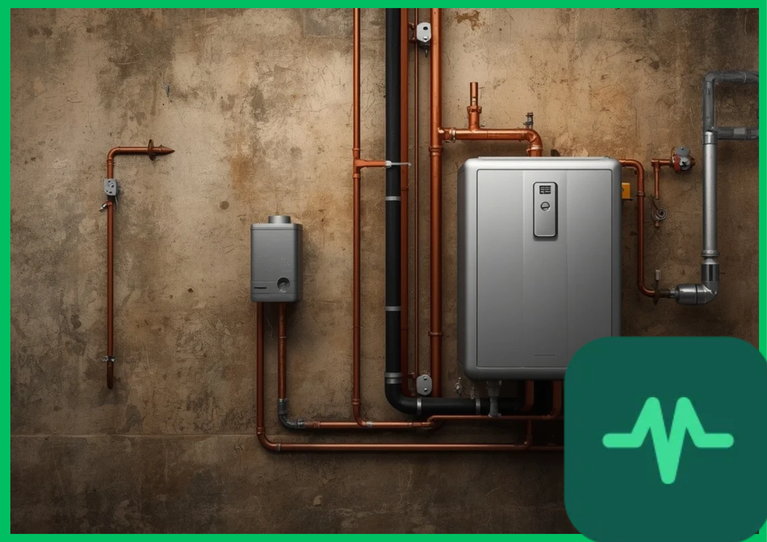
You turn the shower handle, waiting for that welcoming rush of hot water to wake up your senses.
For a brief moment, you feel completely relaxed.
Then, you remember your last utility bill, and that warm feeling vanishes instantly.
Water heating is one of the biggest energy expenses in any home.
Every single day, traditional electric resistance water heaters consume massive amounts of electrical power to keep hundreds of liters or gallons of water scorching hot around the clock.
They generate heat by forcing electricity directly through metal heating coils.
It is the least efficient way to warm water possible.
You are burning through fossil-fuel electricity just to keep an empty tank of water hot while you are away at work.
That round-the-clock waste drains your wallet and pushes unnecessary carbon emissions into our shared atmosphere.
We cannot build a sustainable future while heating water with primitive electric resistance coils.
What if your water heater could pull free warmth straight out of the surrounding air?
What if it used clever thermodynamic refrigeration physics to create hot water while using a fraction of the electricity?
A quiet, brilliant heating revolution is happening inside our utility closets.
According to global energy reports from the International Energy Agency (IEA), resource protection frameworks from the United Nations Environment Programme (UNEP), efficiency benchmarks from ENERGY STAR, and academic thermodynamics research, heat pump water heater efficiency is changing domestic energy consumption.
By capturing ambient air heat rather than generating thermal energy from scratch, we slash water heating bills by up to 70%.
Here is how hybrid heat pumps work, why ambient heat transfer changes household economics, and how efficient plumbing secures our sustainable future.
The Waste of Resistance Heating
To understand why heat pump water heaters matter so much, you have to look at how conventional electric water heaters operate.
For decades, standard water heaters relied on simple resistance elements.
Electric current rushed through a metal resistor, getting red hot and transferring that heat directly into the water.
It worked, but it was astonishingly wasteful.
A traditional resistance water heater operates at roughly 100% efficiency, meaning every single watt of electricity you pay for turns into a watt of heat.
That sounds fine until you compare it to a heat pump.
A heat pump does not generate heat from scratch. It moves existing heat from one place to another.
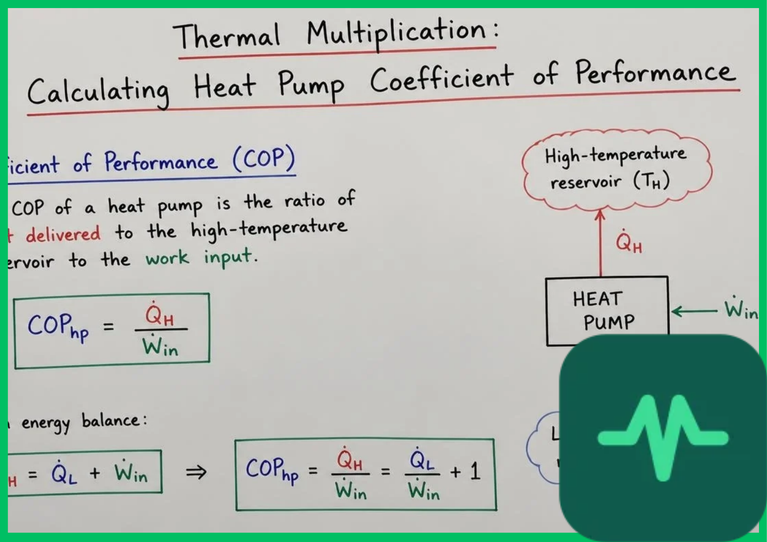
By shifting thermal energy instead of creating it, a modern hybrid heat pump achieves efficiency ratings of 300% to 400%.
For every single unit of electricity it consumes to run its tiny compressor fan, it pulls three or four units of free heat straight out of the surrounding air.
Switching from a standard resistance tank to a heat pump water heater is like getting three-quarters of your hot water completely for free.
What Is a Heat Pump Water Heater?
A heat pump water heater—often called a hybrid water heater—is an advanced domestic appliance that combines a traditional insulated storage tank with a small, highly efficient heat pump unit mounted on top.
Instead of hiding heating coils inside the water, the appliance pulls in warm air from your basement, utility room, or garage using an internal fan.
It passes that air over a evaporator coil filled with liquid refrigerant.
Even on a cool day, ambient air holds plenty of thermal energy.
The refrigerant absorbs that heat, boils at a low temperature, and turns into a gas.
An electric compressor squeezes the refrigerant gas, raising its temperature dramatically.
That superheated gas flows through a condenser coil wrapped around the water tank, dumping its heat straight into your domestic water supply.
The refrigerant expands, cools down, and repeats the cycle endlessly.
It is the exact same thermodynamic cycle that keeps your kitchen refrigerator cold, except it is working in reverse to make hot water.
The Science of Ambient Heat Transfer and Thermodynamics
How can air that feels chilly to your skin contain enough thermal energy to heat a massive tank of water to 50°C or 120°F?
It comes down to foundational thermodynamics and absolute zero physics.
Academic thermodynamics research shows that air holds thermal energy as long as its temperature remains above absolute zero.
Even when your basement air drops to a cool 10°C or 50°F in winter, liquid refrigerants inside the heat pump operate at even lower temperatures, allowing them to extract heat out of the air effortlessly.
Furthermore, because the heat pump extracts heat from the surrounding room, it provides a wonderful bonus benefit during hot summer months.
It cools and dehumidifies your basement or utility room while heating your water, acting like a free bonus air conditioner.
According to ENERGY STAR and international appliance efficiency evaluations, households that upgrade to a hybrid heat pump save hundreds of dollars every single year on their utility bills, paying back the initial purchase price of the unit in a few short years.
Environmental Integrity and Regional Grid Relief
The benefits of heat pump water heaters extend far beyond individual household savings.
They play a crucial role in reducing global power sector emissions.
Water heating accounts for a massive share of residential electricity consumption across the globe.
When millions of homes replace old resistance tanks with efficient heat pumps, total residential electricity demand drops sharply.
According to UNEP resource sustainability frameworks, lowering domestic energy consumption reduces the burning of fossil fuels in regional power plants.
IEA energy transition assessments highlight that switching to efficient electric heat pumps is the single most cost-effective way to decarbonize residential buildings worldwide.
When homes use less electricity to make hot water, electrical grids experience less strain during freezing winter mornings and hot summer evenings.
Upgrading Your Home Water System
Installing a heat pump water heater is a straightforward plumbing upgrade, though it requires slightly more physical space than a standard tank because the heat pump unit sits on top and needs room to draw in ambient air.
Most models operate smoothly in spaces with a volume of at least 28 cubic meters or 1,000 cubic feet, or they can be ducted to pull fresh air from outdoors in tightly sealed modern homes.
Many hybrid models also feature smart digital controls, letting you program heating cycles to run during sunny midday hours when your rooftop solar panels produce surplus clean energy.
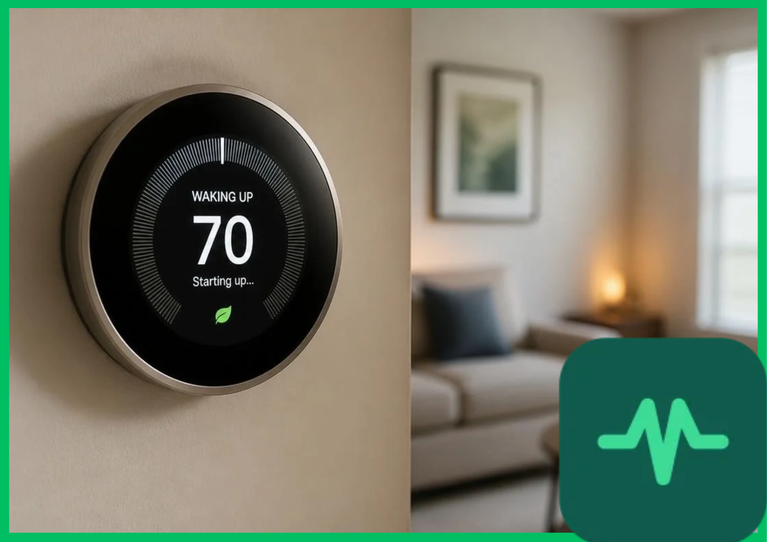
You set your desired water temperature on the digital display or smartphone app, and the system manages the thermodynamic cycle quietly in the background.
Pulling Warmth Toward a Sustainable Future
Heat pump water heaters prove that smart engineering can unlock massive energy savings by working in harmony with the physics of our natural world.
No longer do we have to rely on wasteful resistance coils to heat our daily water supply.
By pulling free ambient heat from the air around us, we create endless hot water while consuming a fraction of the power.
We step away from wasteful habits, embracing an efficient, regenerative, and enduring standard of domestic living.
Through brilliant thermodynamics, smart appliance design, and deep respect for our planetary resources, pulling heat from air secures a clean, warm, and sustainable future for every home on Earth.
Comments (0)
Login to leave a comment.
No comments yet. Be the first to share your thoughts!