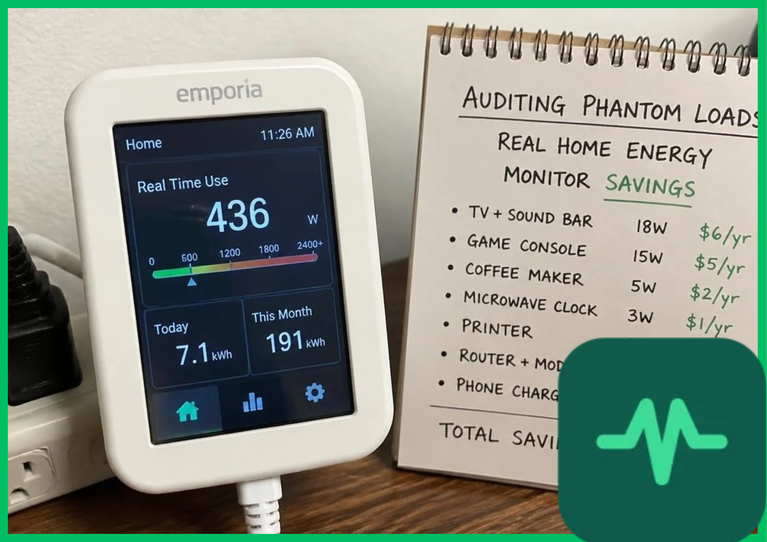
Physics of Standby Power Dissipation and Switched-Mode Supplies
Standby power consumption occurs when electrical appliances remain plugged into alternating current (AC) wall outlets while switched off or operating in low-power sleep modes. The primary physical drivers of standby consumption include linear transformers, internal control circuits, remote control infrared receivers, digital clock displays, and switched-mode power supplies (SMPS).
An SMPS converts AC mains voltage (e.g.,  or
 root-mean-square at
 or
 ) into regulated direct current (DC) low voltages (such as
 ,
 , or
 ) required by internal microcontrollers. When a device is placed in standby mode, the primary semiconductor switches continue to cycle, and magnetic core losses persist within high-frequency ferrite transformers. While individual device standby draws appear negligible—often ranging between
 and
 —the cumulative aggregation of dozens of always-on electronic devices creates a persistent baseline electrical load ranging from
 to
 continuously. Over a standard annual cycle, this baseline draw totals
 to
 of wasted electrical energy per residential structure.
Non-Intrusive Load Monitoring (NILM) and High-Frequency Sampling
Traditional residential electricity meters measure aggregate real power ( ) in kilowatts or kilowatt-hours over extended billing intervals, providing zero visibility into individual appliance signatures. Real-time home energy monitors overcome this limitation by installing high-precision current transformers (CTs) and voltage sensors around the main electrical service panel conductors.
Advanced monitors sample voltage and current waveforms at high sampling frequencies—ranging from  to
 —capturing high-resolution transient events. Non-Intrusive Load Monitoring (NILM) software algorithms apply pattern recognition, machine learning classifiers, and Fast Fourier Transform (FFT) analysis to disaggregate aggregate power signals into individual appliance consumption profiles.
When a device transitions from standby mode to active operation, it generates a unique electrical signature characterized by specific current step-changes, phase angle shifts, and harmonic distortion patterns. NILM algorithms detect these microscopic power fluctuations, allowing home energy monitors to isolate phantom loads from heavy cyclical appliances like heat pumps, electric water heaters, and induction cooktops.
Quantifying Residential Phantom Load Wattage Specifications
Conducting a comprehensive vampire draw analysis requires identifying specific classes of household electronics that maintain continuous active circuitry while idle.
- Set-Top Cable and Satellite Boxes: Draw
 to
 in standby mode to maintain guide data updates and instant-on capabilities, resulting in
 to
 of annual waste.
- Audio-Visual Receivers and Soundbars: Consume
 to
 idle to keep wireless network cards and Bluetooth receivers powered for remote wake-up signals.
- Televisions in Quick-Start Mode: Draw
 to
 maintaining active standby power for voice-activation microphones and fast panel initialization.
- Microwave Ovens and Digital Appliances: Digital control boards, LED clocks, and capacitive touch panels consume
 to
 continuously.
- External Power Supplies (Wall Warts): Unloaded linear and switching power adapters plugged into wall sockets draw
 to
 purely through core magnetization and internal resistor losses.
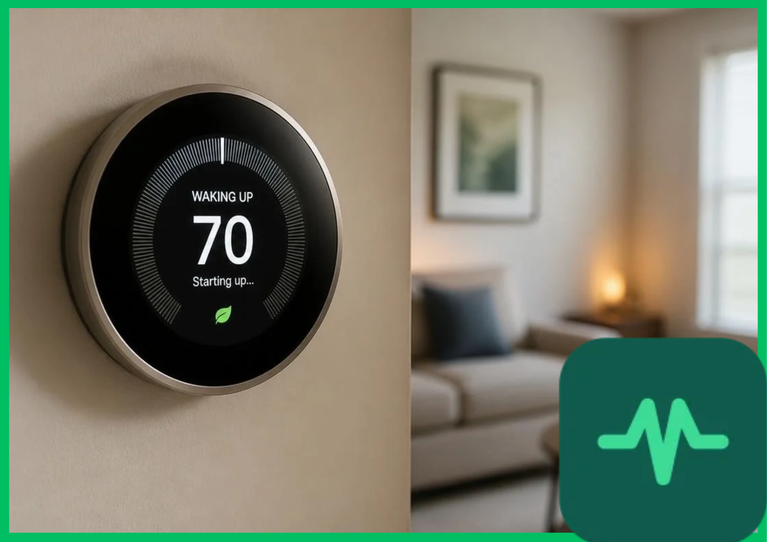
- HVAC Thermostat and Control Boards: Low-voltage transformers feeding smart thermostats and zone control dampers consume
 to
 continuously.
Mathematical Calculation of Standby Financial and Energy Costs
Calculating the exact financial impact of audited phantom loads involves multiplying the continuous standby power draw ( in watts) by operating hours (
 ) and dividing by 1,000 to convert to kilowatt-hours (
 ), subsequently multiplying by the local electricity tariff rate.


For example, a home with a cumulative phantom load baseline of  wastes:


At an assumed electricity cost of 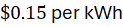 , this continuous standby draw generates
 in pure financial waste annually for electrical energy that provides zero utility to the occupant. Furthermore, real-time energy monitors reveal apparent power (
 ) discrepancies caused by low power factor (
 ) loads. Inductive transformers operating in standby exhibit low power factors (
 ), drawing higher reactive current through household wiring and increasing internal
 resistive thermal losses within residential distribution lines.
Mitigation Strategies and Smart Switching Topologies
Eliminating audited phantom loads requires deploying automated hardware mitigation strategies that physically sever circuit continuity when devices enter idle states.
- Smart Power Strips with Current Sensing: Automatically cut power to peripheral devices (such as gaming consoles, audio receivers, and monitors) when the primary control device (the television or computer) enters a low-power standby state.
- Programmable Timers and Smart Plugs: Schedule complete electrical disconnection for kitchen appliances, entertainment centers, and home office equipment during overnight hours or extended periods of vacancy.
- Zero-Watt Technologies: Advanced power supplies incorporate mechanical relay switches that completely disconnect the primary AC input circuit when standby microcontrollers detect zero user interaction for a predefined duration.
Empirical Research and Global Standby Standards
Empirical research published by academic energy laboratories and compliance data from the United Nations Environment Programme (UNEP) indicate that implementing rigorous standby power regulations—such as the international "One Watt Initiative" spearheaded by the IEA—has successfully forced manufacturers to reduce individual appliance standby consumption from  to below
 for newly certified electronics. However, the sheer proliferation of connected smart devices, internet-of-things (IoT) sensors, and voice-activated home automation hubs has driven a resurgence in aggregate household phantom loads.
Deploying real-time home energy monitors provides homeowners with granular, high-frequency visibility into these hidden baselines. By auditing phantom loads through continuous NILM tracking, occupants identify parasitic power draws instantly, executing targeted hardware interventions that eliminate wasted kilowatt-hours, lower utility expenditures, and support global grid decarbonization objectives.

Comments (0)
Login to leave a comment.
No comments yet. Be the first to share your thoughts!