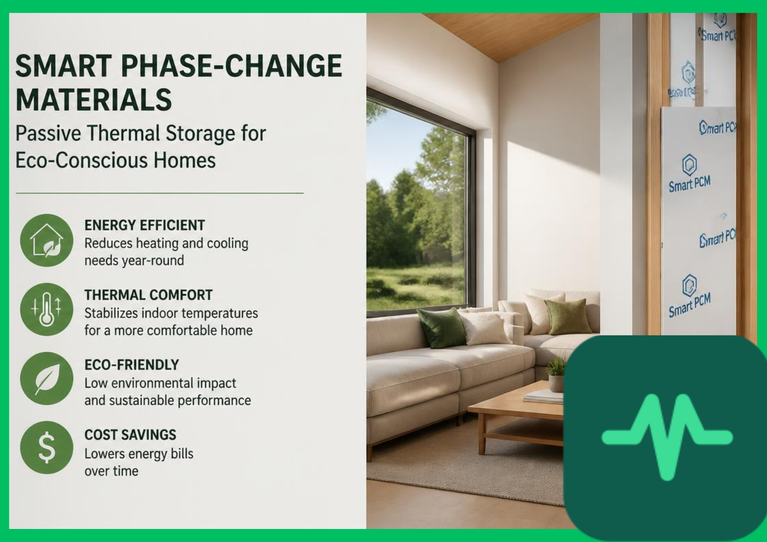
Most homes rely on old-fashioned insulation. That insulation slows heat down. It does not actually manage it. Once a heat wave hits hard enough, standard insulation simply cannot keep up. Air conditioners kick into overdrive, straining both wallets and the power grid at the same time. Phase-change materials solve this exact problem in a genuinely clever way.
In this guide, we will explore how phase-change materials actually work. We will look at the real American problems they solve, from rising energy bills to overloaded summer power grids. We will also look at how this technology fits into homes without requiring a total renovation. By the end, you will understand why phase-change materials feel like such a smart, practical answer for households across the country.
The Real Problem: America's Rising Cooling Costs
Let's start with the actual problem facing American families. Summers keep getting hotter across most of the country. This means air conditioners run longer and harder every single year. Energy bills climb right alongside those temperatures.
Traditional insulation, like fiberglass batts, only slows heat down. It does not store or manage that heat in any active way. Once a hot afternoon pushes past what insulation can handle, the AC has to do all the remaining work alone.
This is exactly the gap phase-change materials were designed to close. Instead of just resisting heat passively, these materials actively absorb and store it, easing the burden placed on home cooling systems during the hottest parts of the day. This active approach is what separates phase-change materials from old-fashioned insulation.
What Exactly Are Phase-Change Materials?
So what are phase-change materials, in simple terms? They are special substances built into drywall or plaster that can absorb heat without their own temperature rising. Instead of just blocking heat, phase-change materials actually soak it up.
Think about how ice cools a drink. Ice does not slowly warm up right away. It stays right around freezing while it melts, quietly absorbing heat from the drink the entire time. Phase-change materials work using this exact same idea, just tuned to comfortable room temperatures instead of freezing cold.
This clever trick means phase-change materials can pull heat out of a room during a hot afternoon, without needing any electricity at all. It happens automatically, hidden quietly behind your walls.
How This Technology Solves a Real American Problem
Picture a typical American home on a scorching July afternoon. Sunlight pours through windows. Outdoor temperatures climb past 95 degrees. Indoor air starts heating up fast, forcing the air conditioner to work overtime just to keep up.
Phase-change materials step in exactly at this critical moment. As indoor temperatures rise past a certain point, tiny wax particles inside the walls begin to melt. This melting process absorbs a large amount of heat energy, keeping the room noticeably cooler for longer.
This delay matters enormously for American households. It means air conditioners do not need to run as hard or as often during peak afternoon heat. Phase-change materials essentially buy your home extra time before the AC has to kick into full, expensive operation.
Solving the Nighttime Reset Problem Too
Here is where phase-change materials get even smarter. Once the sun sets and outdoor temperatures finally drop, the process reverses completely. The melted wax inside the walls begins to solidify again as things cool down.
As this happens, phase-change materials release all that stored heat back out, slowly venting it into the cooler night air. This natural reset means your walls are ready to absorb heat again the very next day, without any manual effort required from you.
This automatic daily cycle solves a real, ongoing American problem: unstable indoor temperatures throughout a long, hot summer. Phase-change materials keep this cycle running quietly, day after day, without needing constant attention or adjustment.
Real Savings for American Energy Bills
Numbers matter here, and phase-change materials deliver genuinely impressive results. Studies show this technology can cut heating and cooling energy use by up to 25 percent. That is a serious reduction for any American household watching their monthly utility bill closely. Few home upgrades offer savings this significant, which is exactly why phase-change materials are drawing so much attention.
This savings adds up fast, especially in regions with brutal, extended summer heat. States like Texas, Arizona, and Florida see some of the highest cooling costs in the entire country. Phase-change materials offer real, tangible relief for families in these high-cost regions.
Beyond individual savings, this technology also helps ease strain on entire regional power grids. Fewer air conditioners running at full blast during peak summer afternoons means less pressure on the grid overall, reducing the risk of rolling blackouts during extreme heat events.
Why This Matters for America's Aging Power Grid
American power grids face real stress during heat waves. News stories about grid strain and rolling blackouts have become common during brutal summer months, especially across the Southwest and parts of the South.
Phase-change materials offer a quiet, practical way to help ease this pressure. By reducing peak-hour air conditioning demand across many homes at once, this technology could meaningfully lower the strain placed on stressed regional grids during the hottest days of the year.
This matters beyond individual comfort. A grid under less pressure means fewer outages for entire communities. Phase-change materials contribute to a small but genuinely meaningful piece of broader American energy resilience.
How This Technology Gets Installed
One of the most appealing things about phase-change materials is how easily they fit into existing American homes. This technology often comes built directly into standard drywall panels or plaster mixes, meaning installation looks almost identical to a normal renovation project.
Homeowners renovating a room, finishing a basement, or building a new addition can request phase-change material drywall instead of standard panels. There is no need for bulky new equipment or major structural changes to the home itself.
This ease of installation makes phase-change materials especially appealing for American contractors already familiar with standard drywall work. The learning curve stays small, helping this technology spread more easily across the residential construction industry.
Why This Feels Like a Genuine American Solution
There is something satisfying about a fix that works quietly in the background, without demanding lifestyle changes. Phase-change materials do not ask homeowners to sacrifice comfort or change daily habits. They simply work behind the walls, absorbing and releasing heat automatically.
This matters for practical American households juggling tight budgets and rising costs. Nobody wants another complicated gadget to manage. Phase-change materials offer real savings without adding extra chores or maintenance to an already busy life.
For American families facing longer, hotter summers every year, this technology offers something genuinely valuable: real relief, built quietly into the very walls protecting their homes.
Addressing Skepticism From Homeowners
Some homeowners remain skeptical of new building materials, especially ones involving unfamiliar science like phase change chemistry. This skepticism makes sense. People want proven results before investing in their homes.
Independent testing backs up the claims behind phase-change materials. Multiple studies confirm real reductions in energy use, giving homeowners solid data rather than just marketing promises. As more American homes successfully install this technology, real-world results continue building trust across the country.
This gradual, evidence-based adoption matters. Homeowners deserve confidence before committing money to any new material. Phase-change materials are earning that confidence steadily, one successful installation at a time.
Where This Technology Fits Best
Phase-change materials work especially well in regions with big daily temperature swings. Areas that get hot during the day and cool off significantly at night see the strongest benefit, since this daily cycle is exactly what the technology relies on.
Older American homes with outdated insulation stand to benefit enormously too. Many houses built decades ago lack modern energy efficiency standards. Adding phase-change materials during a renovation can meaningfully improve comfort and cut costs without a complete insulation overhaul.
New construction offers another strong opportunity. Builders can incorporate phase-change materials from the very start, giving new American homes a real efficiency advantage baked in from day one.
Common Questions About Phase-Change Materials
How much can phase-change materials actually save on energy bills? Studies show reductions in heating and cooling energy use of up to 25 percent, offering real savings for households in hot climates.
Do phase-change materials require electricity to work? No. They work passively, absorbing and releasing heat through a natural melting and solidifying cycle, without using any electricity at all.
Can phase-change materials be added to an existing home? Yes. They are often built into standard drywall or plaster, making them easy to add during a normal renovation project.
Do phase-change materials help reduce strain on the power grid? Yes. By lowering peak-hour air conditioning demand across many homes, this technology can help ease pressure on regional grids during extreme heat events.
Weighing the Cost for American Homeowners
Cost is always a real consideration for American families deciding on home upgrades. Phase-change materials typically cost more upfront than standard drywall or insulation. This higher initial price reflects the specialized manufacturing process behind these smart materials.
Still, this cost often makes sense over time. Lower monthly energy bills add up steadily across each hot summer season. Many homeowners find that phase-change materials gradually pay for themselves through consistent, ongoing savings, especially in regions with long, expensive cooling seasons.
Some states and utility companies are beginning to offer rebates for energy-efficient building materials, including phase-change materials. Checking local programs before starting a renovation can help offset some of this upfront cost, making the investment feel more manageable for budget-conscious American households.
Final Thoughts
Phase-change materials offer a real, practical answer to problems facing American households every summer. Rising energy bills. Strained power grids. Uncomfortable, overheated rooms during brutal heat waves. This quiet technology addresses all three issues at once, hidden simply inside ordinary walls.
From absorbing afternoon heat to releasing it safely overnight, phase-change materials work automatically, without asking homeowners to change a single daily habit. This is not a complicated gadget requiring constant attention. It is a smart material doing its job quietly, day after day.
As more American builders and homeowners adopt this technology, phase-change materials could become a standard feature in home construction, much like modern insulation standards did decades before them. This shift offers real hope for families tired of watching their summer utility bills climb every single year.
In the end, phase-change materials remind us that smart home upgrades do not always require flashy new gadgets. Sometimes, the smartest fix is something quiet, working steadily behind the walls, keeping American homes cooler, cheaper, and more resilient through the toughest months of the year. That quiet reliability is the true strength of phase-change materials.


Comments (0)
Login to leave a comment.
No comments yet. Be the first to share your thoughts!