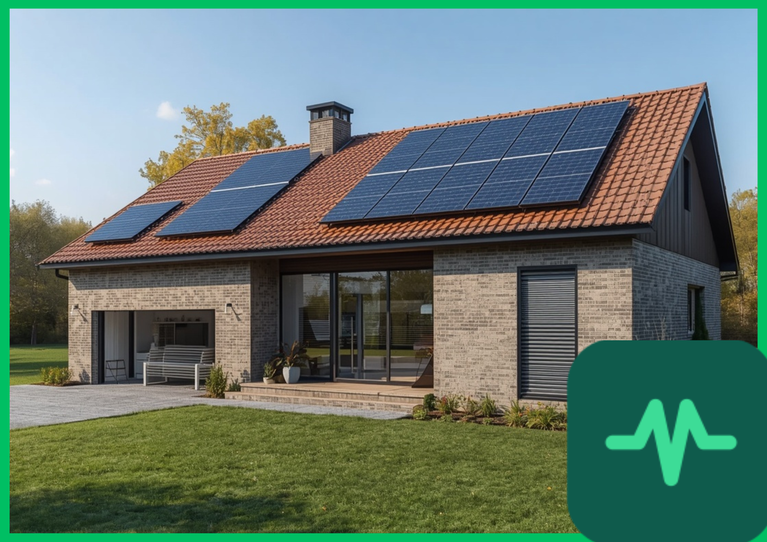
Solar panels make the most power at noon. Most people are at work then. Nobody is home using much electricity. Then evening comes. Everyone gets home. Lights turn on. Dinner gets cooked. Demand spikes right when the sun starts setting. Residential energy storage walls solve this frustrating mismatch.
In this guide, we will explore how residential energy storage walls actually work. We will look at real American problems they solve, from blackouts to sky-high utility bills. We will also look at why battery safety matters so much for homes across the country. By the end, you will understand why residential energy storage walls feel like the missing piece for true American solar independence.
The Real Problem: Solar Panels Alone Are Not Enough
Let's start with the actual problem. Solar panels generate electricity only when the sun shines. That sounds obvious, but it creates a real headache for American homeowners. Peak solar output happens around noon. Peak household demand happens in the evening.
Without storage, this mismatch wastes a lot of potential savings. Extra noon electricity gets pushed back onto the grid for very little money. Then, once the sun sets, the home pulls power straight from the grid again, often at expensive evening rates.
This is exactly the problem residential energy storage walls were built to solve. Instead of losing that midday solar power, these systems capture it. They hold onto it. They release it later, exactly when the home actually needs it most.
What Exactly Are Residential Energy Storage Walls?
So what are residential energy storage walls, in simple terms? They are large home batteries, mounted on a garage wall or exterior surface, designed to store solar electricity for later use. Think of them as a smart savings account for electricity.
Instead of sending extra solar power back to the utility company for pennies, residential energy storage walls keep that power close to home. When the sun goes down, the home simply draws from this stored energy instead of the public grid.
This shift feels genuinely empowering for American homeowners. Residential energy storage walls turn a home's solar panels from a partial daytime solution into something closer to full, around-the-clock energy independence.
Solving America's Blackout Problem
Power outages have become a real, growing concern across parts of the United States. Wildfire-related shutoffs in California. Winter storm failures in Texas. Aging grid infrastructure struggling nationwide. These events leave families without power for hours, sometimes days.
Residential energy storage walls offer real protection here. During an outage, a home equipped with this technology can automatically switch to its stored battery power. Lights stay on. Refrigerators keep running. Medical equipment stays powered, without waiting on utility repair crews.
This matters enormously for peace of mind. Families living in regions prone to storms or wildfires can rely on residential energy storage walls as a genuine safety net, rather than scrambling for a noisy backup generator during an emergency.
Why Battery Chemistry Matters for American Homes
Not all home batteries are built the same way. Early home battery systems used a chemistry called NMC, the same type once found in early electric cars and smartphones. While powerful, this chemistry carried real fire risk if damaged.
Modern residential energy storage walls have shifted to a safer chemistry called LFP, short for Lithium Iron Phosphate. This chemistry swaps out risky materials for stable, abundant iron and phosphate instead. LFP batteries resist thermal runaway fires, even under physical damage.
This safety upgrade matters enormously for American families installing batteries inside garages or right next to their homes. Nobody wants a fire risk sitting a few feet from their living room. Residential energy storage walls using LFP chemistry offer real peace of mind alongside genuine performance.
Built to Last for Decades
Safety is not the only benefit of modern battery chemistry. Residential energy storage walls using LFP cells also last remarkably long. These batteries can handle over 6,000 full charge cycles before losing meaningful capacity.
That kind of durability translates into real, practical value. A well-built system can operate reliably for fifteen years or more. For American homeowners making a long-term investment in their property, this lifespan offers real reassurance that residential energy storage walls will keep performing for years to come.
This durability also affects the overall math behind going solar. A battery that lasts fifteen years spreads its cost out over a long period, making the investment feel far more reasonable compared to a system that might need replacing every few years.
Beating America's Rising Utility Rates
Many American utility companies now charge different rates depending on the time of day. This is called time-of-use pricing. Electricity often costs far more between 4 PM and 9 PM, exactly when most families are home and using the most power.
Residential energy storage walls fight back against this pricing structure directly. Smart software inside the battery tracks these expensive pricing windows automatically. The moment costly rates kick in, the system switches the home over to stored solar power instead of the grid.
This means American families can dodge the most expensive electricity hours entirely. Residential energy storage walls essentially let homeowners use their own stored sunlight instead of paying premium evening prices for grid power.
How the Smart Software Actually Works
It helps to understand what makes residential energy storage walls smarter than a simple backup battery. These systems use built-in computer chips that constantly track several things at once. They watch how much solar power your panels are producing. They monitor your household's typical usage patterns. They also track your local utility's pricing schedule in real time.
Based on all this information, residential energy storage walls make smart decisions automatically. Should the home use stored battery power right now? Should it pull from the grid instead? Should it save power for later peak hours? The system handles these decisions instantly, without requiring homeowners to think about it constantly.
This automation matters for busy American families. Nobody wants to manually manage their home's electricity minute by minute. Residential energy storage walls handle this complexity quietly, working in the background every single day.
Why This Feels Like a Genuine American Solution
There is something satisfying about a technology that solves several problems at once. Residential energy storage walls protect against blackouts. They fight back against rising utility bills. They make existing solar investments actually pay off faster.
This matters for practical, budget-conscious American households. Solar panels alone often leave money on the table, sending cheap midday power back to the grid for very little return. Residential energy storage walls capture that value instead, keeping it inside the home where it belongs.
For families who installed solar panels expecting bigger savings than they actually received, residential energy storage walls offer a genuine second chance to unlock the full financial benefit of their existing system.
Addressing Cost Concerns for American Homeowners
Cost remains an honest consideration. Residential energy storage walls require a real upfront investment, on top of whatever a homeowner already spent on solar panels. This combined cost can feel significant for many families.
However, several factors help offset this expense over time. Reduced peak-rate electricity charges add up steadily every single month. Some states also offer rebates or tax incentives specifically for battery storage installations, helping lower the initial cost.
Many homeowners find that residential energy storage walls gradually pay for themselves, especially in regions with expensive time-of-use rates or frequent power outages. The math often works out favorably over the system's long fifteen-year lifespan.
Where This Technology Fits Best
Residential energy storage walls work especially well for homes already equipped with solar panels. Without solar, there is less excess daytime power available to store in the first place, reducing the overall value of the system.
Homes in regions with frequent power outages see particularly strong benefits too. States prone to wildfires, hurricanes, or severe winter storms gain real, tangible security from having stored backup power ready at all times.
Households facing steep time-of-use electricity rates also benefit enormously. If your utility charges significantly more during evening hours, residential energy storage walls can meaningfully reduce your monthly bill by shifting your consumption away from those expensive pricing windows.
Common Questions About Residential Energy Storage Walls
How long do residential energy storage walls typically last? Modern systems using LFP battery chemistry can last fifteen years or more, handling over 6,000 full charge cycles without significant capacity loss.
Are residential energy storage walls safe to install near my home? Yes. Modern LFP chemistry is highly resistant to fire risk, making these systems safer than earlier battery technologies used in home storage.
Can residential energy storage walls really protect against power outages? Yes. These systems automatically switch to stored battery power during a grid failure, keeping essential appliances running without interruption.
Do I need solar panels to benefit from residential energy storage walls? While they work best paired with solar panels, some homeowners also use them to store cheap off-peak grid electricity for use during expensive peak hours.
What Installation Actually Looks Like
Setting up residential energy storage walls typically involves a licensed electrician connecting the battery system to your home's existing electrical panel and solar setup. Most installations take just one or two days, depending on the complexity of the home's wiring.
Many systems mount directly onto a garage wall or exterior wall, using weatherproof casings designed to handle outdoor conditions safely. This flexible mounting means residential energy storage walls can fit into a wide variety of American homes, regardless of available indoor space.
Homeowners already planning a new solar installation often add residential energy storage walls at the same time, streamlining the process into a single combined project. This approach can simplify permitting and installation, since both systems get wired together from the very start.
Looking Ahead: The Future of Home Energy Storage
As more American states adjust their utility pricing structures, expect residential energy storage walls to become even more valuable over time. Utilities across the country are increasingly adopting time-of-use pricing, making stored solar power more financially attractive with each passing year.
Battery costs are also expected to keep falling as manufacturing scales up nationwide. This trend mirrors what happened with solar panels themselves over the past decade, as prices dropped steadily while performance kept improving. Residential energy storage walls seem likely to follow this same encouraging trajectory.
Utility companies are also exploring ways to work directly with homeowners who install residential energy storage walls, sometimes offering credits for allowing stored power to support the broader grid during emergencies. This kind of partnership could add even more value to home battery ownership in the coming years.
Final Thoughts
Residential energy storage walls offer a real, practical answer to a problem quietly affecting American solar homeowners every single day. Solar panels alone leave a gap between when power gets made and when it actually gets used. This smart battery technology closes that gap completely.
From protecting families during blackouts to fighting back against expensive evening utility rates, residential energy storage walls solve multiple real problems at once. This is not just a nice-to-have upgrade. It is quickly becoming an essential piece of a genuinely independent home energy system.
As battery costs continue falling and more states offer incentives for storage installation, expect residential energy storage walls to become as common as solar panels themselves across American neighborhoods. This shift offers real hope for families tired of watching their solar investment underdeliver on its full potential.
In the end, residential energy storage walls remind us that generating clean energy is only half the challenge. Storing it wisely, and using it exactly when it matters most, is what finally turns a rooftop full of panels into genuine, reliable energy independence. That is the real, lasting value residential energy storage walls bring to American homes.
Comments (0)
Login to leave a comment.
No comments yet. Be the first to share your thoughts!