Think about how much foam touches daily life in the United States. Home insulation. Shipping boxes. Coolers. Packaging for electronics ordered online. Almost all of it comes from petroleum-based foam. Almost none of it breaks down. Mycelium bio-insulation solves this exact problem, using mushroom roots instead of oil-based chemicals.
In this guide, we will explore how mycelium bio-insulation actually works. We will look at the real American problems it solves, from landfill overflow to home fire safety. We will also look at how this technology performs compared to old foam products. By the end, you will understand why mycelium bio-insulation feels like such a smart, practical answer for American homes and businesses alike.
The Real Problem: America's Foam Waste Crisis
Let's start with the actual problem facing the country. Every year, American homes and businesses use enormous amounts of plastic foam. Builders use it to insulate walls. Shippers use it to protect fragile packages. Families use it in coolers every summer.
This foam does not disappear once thrown away. It sits in American landfills for centuries. Over time, it breaks into tiny microplastic pieces. These pieces spread into soil and water, causing pollution that lasts for generations.
This is exactly the problem mycelium bio-insulation was built to solve. Instead of adding more plastic waste to already overflowing landfills, this technology offers a real, biodegradable alternative that actually breaks down safely.
What Is Mycelium Bio-Insulation?
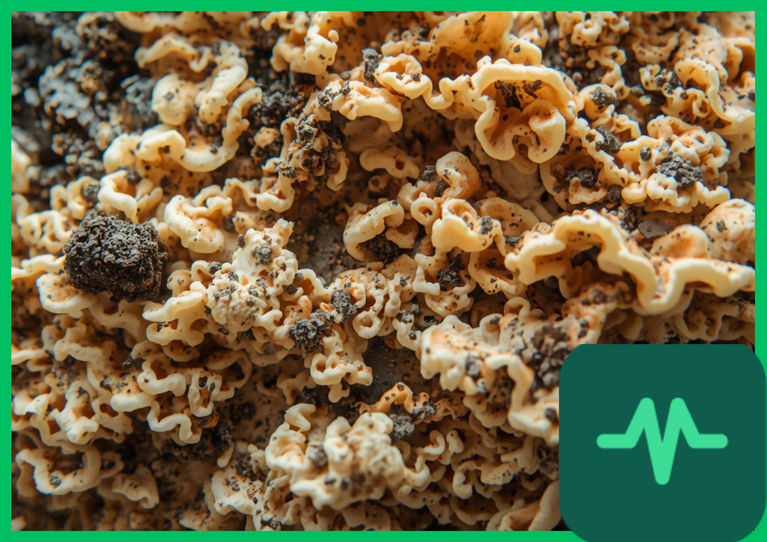
So what exactly is mycelium bio-insulation? It is a building material grown from the root network of mushrooms, called mycelium. Instead of manufacturing foam using oil and toxic chemicals, this material simply grows, using farm waste as its food source.
Workers take leftover agricultural material. Corn stalks. Hemp waste. Sawdust. They mix this waste with living mycelium. Over about five to nine days, the mycelium grows through the material, binding it into a solid, rigid panel.
This process feels almost like a small miracle for anyone frustrated by America's plastic waste problem. Mycelium bio-insulation solves this issue without a single drop of petroleum, without toxic fumes, and without decades of landfill pollution afterward.
Why This Matters So Much for American Homes
Home insulation is a massive industry across the United States. Builders need materials that block heat, resist fire, and last for decades. For years, foam insulation filled this role, despite its serious environmental downsides.
Mycelium bio-insulation offers American homeowners a real alternative. It insulates just as well as standard foam products. It blocks heat effectively, keeping homes comfortable through harsh Midwest winters or blazing Southern summers.
This matters for practical reasons too. Energy bills matter to American families. Good insulation keeps those bills lower. Mycelium bio-insulation delivers this same practical benefit, without leaving behind centuries of landfill waste once a home eventually gets renovated or torn down.
Solving America's Wildfire and Fire Safety Concerns
Fire safety is a major concern across many American regions, especially in wildfire-prone areas like California and other western states. Traditional foam insulation can be dangerously flammable, releasing toxic smoke when it burns.
Mycelium bio-insulation offers real relief here too. Its natural structure, built from chitin, resists fire far better than plastic foam. When exposed to flame, it forms a protective char layer instead of melting or releasing dangerous gas.
This fire resistance feels especially important for American families living in fire-prone regions. Mycelium bio-insulation does not just protect the planet. It offers real, practical safety benefits for households worried about wildfire risk creeping closer to their homes each year.
Fixing the E-Commerce Packaging Problem
America ships more packages than almost anywhere else in the world. Online shopping has exploded over the past decade. Every one of those boxes needs protective packaging, and most of that packaging is still made from foam.
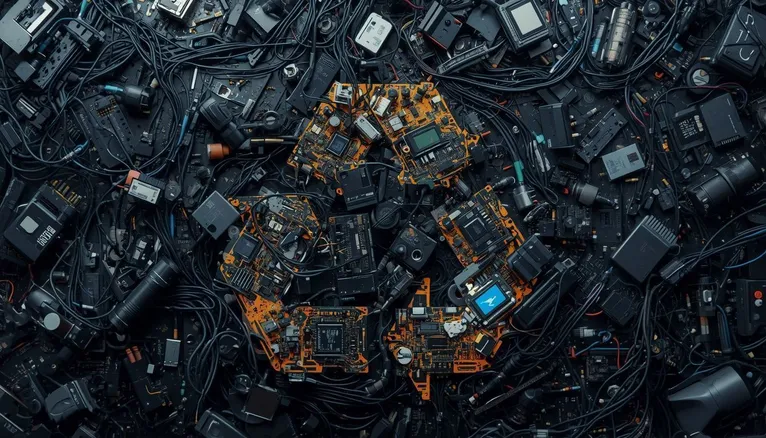
Mycelium bio-insulation offers a real solution for this exact problem. Companies can use it to protect fragile electronics, glass items, and appliances during shipping, just like they would with traditional foam.
The difference shows up after delivery. Instead of tossing foam into the trash, where it lingers for centuries, mycelium bio-insulation can go straight into a backyard compost pile. Within weeks, it breaks down completely, turning shipping waste into something genuinely harmless.
How the Growing Process Actually Works
Let's walk through this process step by step, since it feels genuinely different from a traditional American factory floor. First, workers gather cheap, plentiful agricultural waste. This includes things like corn stalks or hemp material, often leftover scraps from American farms.
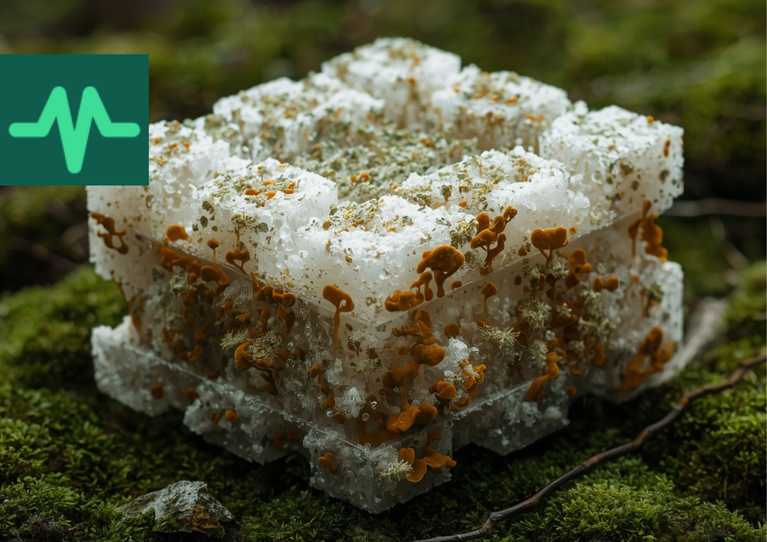
Next, this waste gets mixed with live mycelium spores and placed into a mold shaped like the final product. Over the following days, the mycelium spreads through the material, digesting it and binding everything into a solid, dense structure.
Once the mold is completely filled, the material goes through a quick drying step. This stops the fungal growth safely, leaving behind a clean, odorless panel. Mycelium bio-insulation is now ready to insulate a wall or protect a shipped package, all without a single toxic chemical involved in the process.
Why This Feels Like a Genuine American Solution
There is something satisfying about solving a big problem using simple, local resources. Mycelium bio-insulation relies on American farm waste, material that often gets discarded or burned anyway. Turning that waste into something valuable feels like smart, practical thinking.
This also supports American agricultural communities in a small but meaningful way. Farmers can find new value in leftover crop material, rather than treating it as pure waste. Mycelium bio-insulation creates a small but real economic link between farms and construction, connecting two industries that rarely intersect.
For American consumers tired of hearing about landfill crises without seeing real solutions, mycelium bio-insulation offers something tangible. It is not just a talking point. It is a real, working product already protecting real packages and insulating real homes today.
Comparing Performance to Traditional Foam
It is fair to ask whether mycelium bio-insulation actually performs as well as the foam products Americans have relied on for decades. The answer is genuinely reassuring. This material delivers strong thermal resistance, keeping homes insulated against harsh weather just as effectively as standard fiberglass batts.
It also holds up well structurally. Mycelium bio-insulation panels are lightweight, yet sturdy enough to protect fragile shipped items during rough handling. This combination of strength and light weight makes it a genuinely practical substitute, not just an idealistic one.
Cost remains a factor worth considering. Mycelium bio-insulation can cost more upfront than mass-produced petroleum foam right now. However, as more American manufacturers scale up production, prices are expected to fall, following the same pattern seen with many other emerging sustainable materials.
Addressing Skepticism From American Builders
Some American builders remain skeptical of new materials, especially ones that sound unusual, like something grown from mushrooms. This skepticism is understandable. Construction demands proven, reliable materials, not risky experiments.
Mycelium bio-insulation is addressing this skepticism directly through rigorous testing. Independent labs have verified its fire resistance and thermal performance, giving builders real data instead of just promising claims. As more American construction projects successfully use this material, trust continues building steadily.
This slow, careful validation process matters. Builders need confidence before committing to a new product on a client's home. Mycelium bio-insulation is earning that confidence gradually, project by project, across the country.
Common Questions About Mycelium Bio-Insulation
Does mycelium bio-insulation work as well as traditional foam insulation? Yes. It delivers strong thermal performance, comparable to standard fiberglass batts, while also offering superior natural fire resistance.
Can mycelium bio-insulation really replace Styrofoam shipping packaging? Yes. Many companies already use it to protect fragile electronics and glass items during shipping, and it composts safely after use.
Is mycelium bio-insulation more expensive than regular foam? Currently, it often costs more upfront. Prices are expected to fall as American manufacturing scales up and production becomes more efficient.
How does mycelium bio-insulation help solve America's landfill problem? Unlike petroleum foam, which lasts for centuries in landfills, mycelium bio-insulation composts fully within weeks, leaving no lasting waste behind.
Where American Adoption Is Growing Fastest
Different regions across America are adopting mycelium bio-insulation at different speeds. States with strong environmental regulations, like California and parts of the Pacific Northwest, are leading early adoption. Builders in these regions often face stricter sustainability requirements, making mycelium bio-insulation an appealing choice.
The Midwest offers another natural fit for this technology. With so much agricultural waste already available from corn and soybean farming, mycelium bio-insulation production makes practical, economic sense in this region. Farmers and manufacturers can work together locally, cutting down on transportation costs and supporting regional supply chains.
As awareness spreads, expect mycelium bio-insulation to reach more American states, particularly those balancing strong construction industries with growing environmental concerns. This steady, regional growth suggests real staying power, not just a passing trend limited to a few coastal cities.
What the Future Holds for American Manufacturing
Looking ahead, American companies are investing seriously in scaling up mycelium bio-insulation production. Several startups have opened dedicated growing facilities across the country, hoping to meet rising demand from both builders and shipping companies.
This growing manufacturing base matters for American jobs too. Building and staffing these facilities creates real employment opportunities, particularly in agricultural regions where farm waste can be sourced locally and turned into a valuable product. Mycelium bio-insulation represents a genuine opportunity to blend American farming and manufacturing into something new and forward-looking.
Government incentives are also starting to support this shift. Some states now offer grants or tax credits for companies producing sustainable building materials, including mycelium bio-insulation. This kind of support could help accelerate adoption significantly over the coming years, pushing this technology from a niche product into a genuine mainstream option for American construction and shipping industries alike.
Final Thoughts
Mycelium bio-insulation offers a real, practical answer to problems that have frustrated American communities for years. Overflowing landfills. Toxic fire risks. Endless shipping waste. This single material addresses all three issues at once, grown quietly from mushroom roots and farm waste. That combination is exactly what makes mycelium bio-insulation such a compelling American solution.
From protecting homes against wildfire risk to keeping fragile packages safe during shipping, mycelium bio-insulation proves that sustainable materials can genuinely compete with, and sometimes beat, the toxic products they aim to replace.
As more American builders and shipping companies adopt this technology, mycelium bio-insulation could become a familiar part of everyday life, much like recycling bins or energy-efficient light bulbs did in years past. This shift offers real, tangible hope for a country still searching for practical solutions to its plastic waste crisis.
In the end, mycelium bio-insulation reminds us that some of the best fixes come from nature itself. Sometimes, solving a stubborn American problem does not require a complicated new invention. It simply requires learning to grow the right thing, and mycelium bio-insulation proves that lesson clearly.

Comments (0)
Login to leave a comment.
No comments yet. Be the first to share your thoughts!