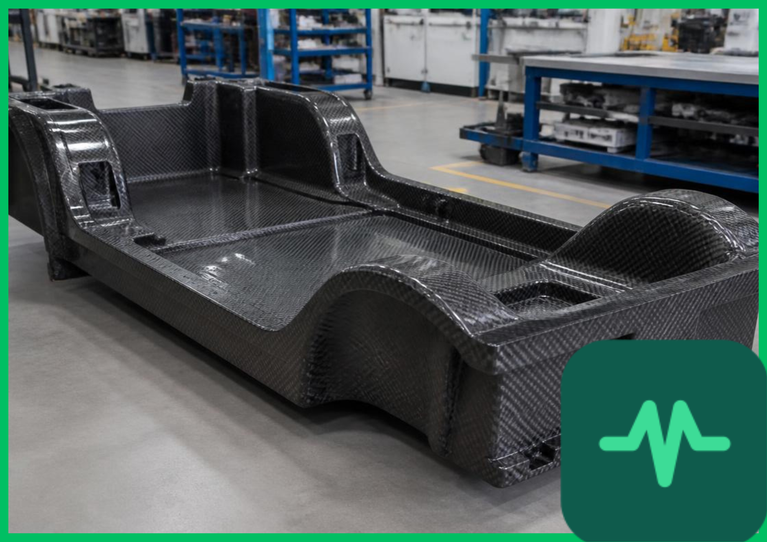
Electric vehicles solve one problem, tailpipe emissions, while quietly creating another. Batteries are heavy. Really heavy. A big commercial EV can carry thousands of extra pounds compared to its old diesel version. That extra weight strains everything it touches, from tires to public roads. Carbon-fiber chassis technology tackles this weight problem head-on.
In this guide, we will explore how carbon-fiber chassis technology actually works. We will look at the real American problems it solves, from crumbling roads to sky-high fleet maintenance costs. We will also look at how manufacturers are finally making this material affordable enough for everyday trucks and buses. By the end, you will understand why carbon-fiber chassis design feels like such an important fix for American transportation.
The Real Problem: Heavy EVs Are Hurting American Infrastructure
Let's start with the actual problem. Electric trucks and buses are heavier than their diesel counterparts, often by thousands of pounds. Big commercial batteries alone can weigh up to 8,000 pounds. That is an enormous amount of extra mass rolling across American highways every single day.
This extra weight causes real damage. Heavier vehicles wear down asphalt faster. They chew through tires more quickly too. Local governments already struggle to fund road repairs. Heavier EV fleets are quietly making that funding problem even worse.
This is exactly the issue carbon-fiber chassis technology was built to solve. By cutting vehicle weight elsewhere, this material helps offset the heavy burden of large battery packs, easing pressure on tires, suspension systems, and the roads themselves. This is the core promise behind carbon-fiber chassis engineering.
What Exactly Is a Carbon-Fiber Chassis?
So what is a carbon-fiber chassis, in simple terms? It is a vehicle frame built using woven carbon fiber instead of traditional steel. This material is incredibly strong, yet remarkably light compared to the metal it replaces.
Carbon fiber is made from thin strands of carbon atoms, woven together in tight, precise patterns. Engineers bind these strands with strong resin, creating a rigid, durable structure. A carbon-fiber chassis can weigh up to 40 percent less than a comparable steel frame, all while staying just as strong, sometimes stronger.
This weight difference matters enormously for heavy electric fleets. A carbon-fiber chassis helps offset the added weight of a large battery pack, keeping the overall vehicle closer to a manageable, road-friendly weight.
Why This Matters So Much for American Trucking
The American trucking industry moves nearly everything the country buys and sells. Long-haul trucks. Delivery vans. City buses. All of these vehicles are shifting toward electric power, and all of them face the same heavy battery problem.
Carbon-fiber chassis technology offers real relief here. By cutting weight from the truck's body itself, fleet operators can carry heavier batteries without pushing the total vehicle weight into dangerous or impractical territory. This means longer range without sacrificing legal cargo limits.
This matters directly to American businesses. Heavier trucks mean smaller cargo loads under strict weight limits. A carbon-fiber chassis helps trucking companies keep their cargo capacity high, even as they add the heavy batteries needed for electric power.
Solving the Tire and Suspension Wear Problem
Heavy vehicles do not just damage roads. They wear out their own components faster too. Extra weight puts real strain on tires and suspension systems, leading to more frequent, expensive replacements for American fleet operators.
A carbon-fiber chassis helps break this costly cycle. By reducing overall vehicle weight, this technology eases the daily strain placed on tires and suspension parts. Fleets using carbon-fiber chassis designs can expect fewer breakdowns and lower maintenance bills over time.
For American trucking companies operating on tight margins, this matters enormously. Every dollar saved on tire replacements or suspension repairs goes straight back into the business. Carbon-fiber chassis technology offers a real, practical way to protect that bottom line.
How Carbon Fiber Actually Gets So Strong
It helps to understand why carbon fiber performs so well despite being so light. Engineers weave continuous strands of carbon into precise, cross-hatched patterns. This weaving pattern spreads stress evenly across the material, making it remarkably resistant to bending or breaking.
Once woven, the material gets bonded with a strong resin. This combination creates something genuinely impressive. A carbon-fiber chassis can be up to five times stronger than steel, while weighing only a fraction of the mass. It is also about twice as stiff, offering real structural rigidity where it matters most.
This strength matters for safety too. American safety standards require vehicles to absorb serious crash impacts. A well-designed carbon-fiber chassis can meet these strict safety requirements while still delivering major weight savings across the entire vehicle structure.
The Manufacturing Problem That Held This Back
For years, carbon fiber stayed mostly limited to expensive sports cars and racing vehicles. Why? Manufacturing was painfully slow. Traditional carbon fiber production involved baking parts in large ovens for hours at a time.
This slow process made mass production nearly impossible. American factories build vehicles fast, often stamping out steel parts in mere seconds. A carbon-fiber chassis simply could not keep pace with that kind of high-speed manufacturing, at least not using older methods.
This bottleneck is exactly what needed solving before carbon-fiber chassis technology could reach everyday trucks and buses, rather than staying locked inside expensive luxury vehicles built in small batches.
The Manufacturing Fix Changing Everything
Engineers found a real solution to this speed problem. It is called High-Pressure Resin Transfer Molding, often shortened to HP-RTM. Instead of slow baking, this process injects fast-curing liquid resin directly into carbon fiber molds under intense pressure.
This breakthrough dramatically speeds up production. What once took hours can now happen in under two minutes per part. This speed finally makes a carbon-fiber chassis realistic for mass production, matching the pace American factories need to build vehicles at real commercial scale.
This manufacturing fix feels like a genuine turning point. Without it, carbon-fiber chassis technology might have stayed a niche luxury feature forever. With it, this material can finally reach the trucks and buses that actually need it most.
Why This Feels Like a Genuine American Solution
There is something satisfying about solving multiple problems with one smart fix. A carbon-fiber chassis does not just help vehicles go farther on a single charge. It also protects American roads from unnecessary wear. It saves fleet operators real money on tires and repairs.
This matters for communities too. Less road damage means fewer tax dollars spent on repairs. Lower fleet maintenance costs can mean more stable prices for goods shipped across the country. Carbon-fiber chassis technology touches far more of everyday American life than most people realize.
For an industry often criticized for ignoring practical, real-world tradeoffs, this technology feels refreshingly grounded. It solves a genuine engineering problem with real, measurable benefits stretching from the factory floor to the highway itself.
Addressing Cost Concerns From American Fleet Buyers
Cost remains a real hurdle worth discussing honestly. A carbon-fiber chassis currently costs more to produce than a standard steel frame. This higher upfront price can make fleet buyers hesitant, especially smaller trucking companies working with tight budgets.
However, this cost difference is shrinking steadily. As HP-RTM manufacturing scales up across more American factories, production costs continue falling. Many industry experts expect carbon-fiber chassis pricing to become far more competitive within the next several years.
Fleet operators should also weigh long-term savings alongside the higher upfront cost. Reduced tire wear, lower maintenance needs, and improved range all add up over a vehicle's working life. A carbon-fiber chassis often pays for itself gradually, through these accumulated savings.
What This Means for the Future of American Fleets
Looking ahead, carbon-fiber chassis technology seems likely to spread across more American vehicle categories. Long-haul trucks are an obvious early target, given how much weight and range matter for cross-country freight routes.
Municipal transit buses represent another strong opportunity. Cities already operate large electric bus fleets, and every pound saved through a carbon-fiber chassis translates directly into longer routes covered on a single charge, without needing costly mid-day recharging stops.
As American manufacturers continue investing in faster, cheaper composite production, expect carbon-fiber chassis designs to become a standard feature across commercial electric fleets, rather than a rare, expensive upgrade reserved for a few premium models.
Common Questions About Carbon-Fiber Chassis Technology
How much weight can a carbon-fiber chassis actually save? It can reduce structural weight by up to 40 percent compared to a traditional steel chassis, while maintaining comparable or superior strength.
Does a carbon-fiber chassis compromise vehicle safety? No. Carbon fiber can be up to five times stronger than steel, making it well suited to meet strict American crash safety standards.
Why did carbon-fiber chassis technology take so long to reach everyday vehicles? Older manufacturing methods were extremely slow, involving hours of baking per part. New high-pressure molding techniques have cut this time dramatically.
Is a carbon-fiber chassis worth the higher upfront cost? For many fleet operators, yes. Savings on tires, maintenance, and improved range can offset the higher initial price over the vehicle's working life.
What This Means for American Manufacturing Jobs
Beyond the technical benefits, carbon-fiber chassis production could create real manufacturing opportunities across the country. Building this material at scale requires specialized factories, skilled technicians, and new equipment investment. This translates into genuine job creation in regions embracing this new manufacturing process.
Several American states are already positioning themselves to attract this kind of investment. Regions with strong existing automotive manufacturing bases stand to benefit the most, since much of the workforce and infrastructure needed for carbon-fiber chassis production already exists locally. Retraining programs could help transition workers from traditional steel stamping toward this newer composite manufacturing process.
This shift feels meaningful for American workers navigating a changing automotive industry. As electric vehicles reshape manufacturing needs nationwide, carbon-fiber chassis production offers a genuine growth opportunity, rather than simply another source of job displacement. Investing in this technology could help keep skilled manufacturing work right here in the United States, rather than shifting entirely overseas.
Final Thoughts
Carbon-fiber chassis technology offers a real, practical answer to a problem quietly affecting American roads, tires, and trucking budgets every single day. Heavy electric batteries created a genuine engineering challenge, and this lightweight material provides a smart, effective solution. Few innovations solve so many connected problems at once the way carbon-fiber chassis design does.
From protecting crumbling infrastructure to saving fleet operators real money on maintenance, a carbon-fiber chassis touches far more of daily American life than most people realize. This is not a flashy, superficial upgrade. It is a genuine engineering fix addressing a real, measurable problem.
As manufacturing costs continue falling and production speeds keep improving, expect carbon-fiber chassis designs to spread across more American trucks, buses, and delivery fleets in the years ahead. This shift offers real hope for an industry working hard to balance clean energy goals with practical, everyday transportation needs.
In the end, a carbon-fiber chassis reminds us that solving one big problem, like heavy EV batteries, often requires fixing several smaller problems at the same time. Sometimes, the smartest engineering solution is simply learning to build lighter, stronger, and smarter from the ground up, and that is exactly what carbon-fiber chassis technology delivers.



Comments (0)
Login to leave a comment.
No comments yet. Be the first to share your thoughts!