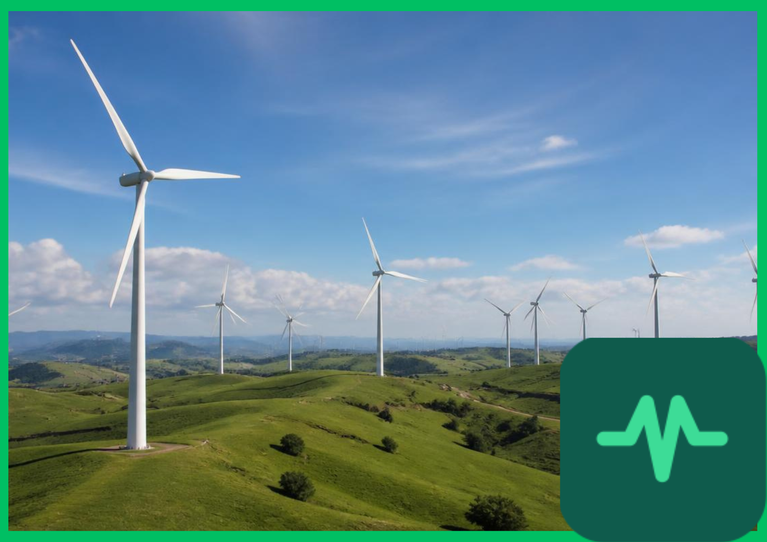
Wind power growth accelerated in 2025. According to the IEA, global annual wind capacity additions increased by almost 40%, reaching approximately 160 GW. That was a new annual record.
The result is important because wind remains one of the world's largest sources of renewable electricity.
Wind power also works differently from solar. Wind turbines can generate electricity during the day and at night.
Therefore, wind can complement solar power in electricity systems.
Onshore Wind Leads the Market
Onshore wind remains a major part of global wind power growth. These projects are generally easier to build than offshore wind farms. They can also be located in areas with strong wind resources.
However, onshore projects still face challenges. Developers need land. They need permits. They need transmission connections. Local communities also need to be involved.
Therefore, expanding wind power requires more than installing turbines.
Offshore Wind Has Greater Challenges
Offshore wind offers another opportunity. Wind conditions over the sea can be strong. Large offshore projects can also generate significant amounts of electricity.
However, offshore projects are complex. Developers need specialised vessels, ports, underwater cables and marine construction equipment.
Costs can also be higher. The IEA reports that offshore wind additions fell in 2025, while onshore wind continued to grow strongly.
This shows that wind power growth is not happening evenly across all parts of the industry.
China Remains a Major Market
China is also a major force in wind development. The country's huge electricity demand and manufacturing base support large-scale renewable deployment.
China's renewable additions reached a record level in 2025. Wind was an important part of that expansion.
China's large manufacturing industry also supplies wind equipment to other markets. Therefore, developments in China can influence the global wind industry.
Wind and Solar Work Together
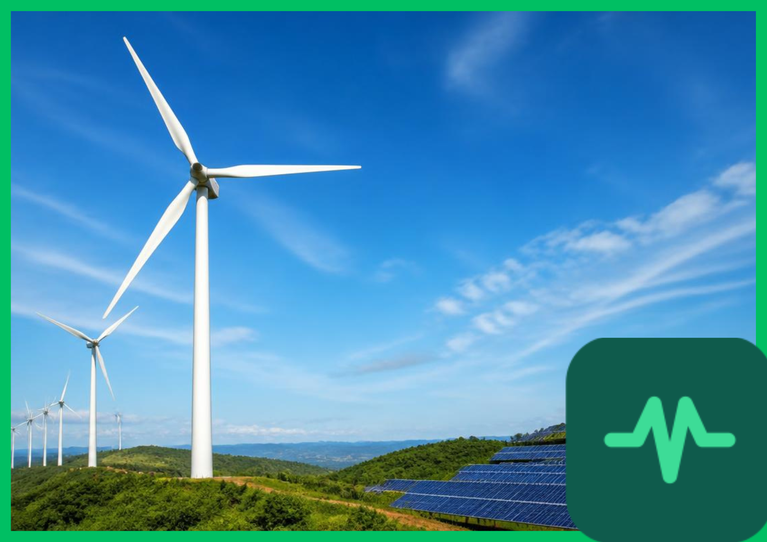
One of the strongest arguments for wind power growth is that wind and solar can complement each other. Solar generation is highest during daylight. Wind generation can occur throughout the day.
In some locations, wind output can be stronger at night. This difference can help electricity planners balance renewable generation.
However, the exact pattern depends on location and weather.
Storage Can Improve Flexibility
Wind power can sometimes produce more electricity than the grid needs. Instead of wasting that electricity, storage can capture some of it.
The stored electricity can then be released later. This is one reason battery deployment is increasing alongside renewable generation.
The IEA recorded 108 GW of new battery-storage capacity in 2025. Therefore, wind power growth is increasingly connected to storage.
Transmission Is Critical
The strongest wind resources are not always close to large cities. This creates a transmission challenge. A wind farm can produce large amounts of electricity, but that electricity needs a path to consumers.
Without sufficient transmission capacity, renewable projects can face delays or reduced output.
As such, governments need to plan generation and grids together.
Africa Has Untapped Potential
Africa has significant wind resources. Countries such as Egypt, Morocco and South Africa have already developed wind projects.
Other markets could also expand. However, financing and grid infrastructure remain important barriers.
The continent needs more investment if wind power growth is to reach its full potential.
EcoGreenPulse View
Wind power is not simply a climate technology. It is also becoming part of energy security.
Wind farms can generate electricity without continuously purchasing fuel. That can reduce exposure to international fossil-fuel prices.
However, wind energy still depends on equipment, finance, land and grid infrastructure.
Therefore, successful wind power growth requires a complete energy-system approach.
Conclusion
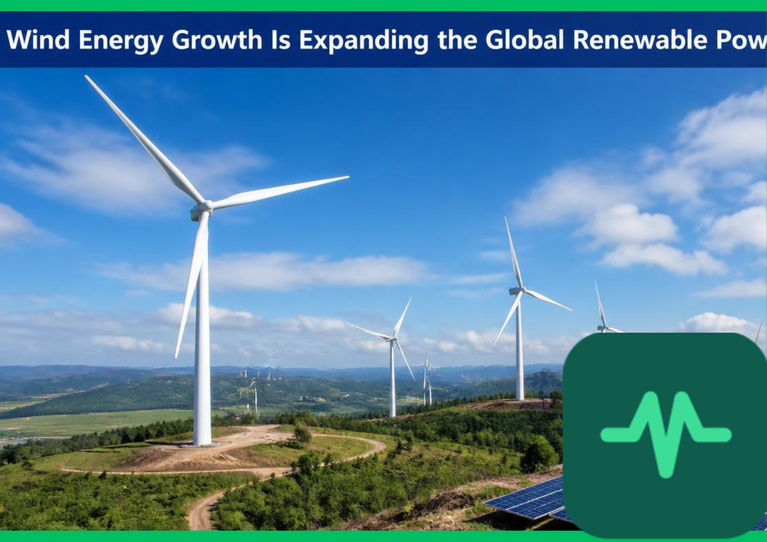
Wind power growth reached a new milestone in 2025. Global capacity additions increased sharply, showing that wind remains a major part of the renewable-energy transition.
The next challenge is to build the infrastructure needed to use that electricity effectively. Stronger grids, storage and faster project development will all matter.
If these areas improve, wind power growth could remain a major force in global electricity markets.
Source: IEA, Global Energy Review 2026.
Comments (0)
Login to leave a comment.
No comments yet. Be the first to share your thoughts!