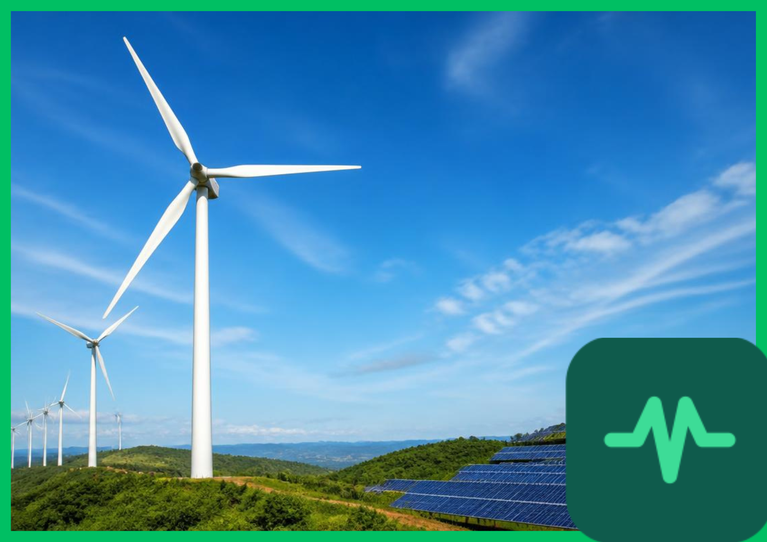
The International Renewable Energy Agency reports something notable. The world added about 159 GW of new wind power capacity in 2025. That makes wind the second-largest driver of renewable growth. Only solar photovoltaic technology added more. This continued rise in wind power capacity comes as electricity demand keeps climbing worldwide. Governments also want to diversify their energy supplies.
Solar and Wind Continue to Lead
Renewable growth keeps concentrating around two main technologies. Solar and wind power capacity now drive most of the expansion happening globally.
IRENA's Renewable Capacity Statistics 2026 tracks this growth closely. It covers capacity additions from 2016 through 2025. It breaks the data down by country. It also breaks it down by technology.
The numbers make one thing clear. Wind power capacity, alongside solar, now sits at the center of global renewable expansion. Neither technology works alone in this story. Together, they are reshaping how the world generates electricity.
Why Wind Still Matters
Wind power capacity offers something solar power cannot always provide on its own. Solar generation depends heavily on daylight hours. Wind works differently. It can generate power at different times, based on local weather patterns.
This difference matters a lot. Combining wind power capacity with solar helps electricity systems diversify their generation. When the sun goes down, wind can sometimes pick up the slack. This pairing creates a more balanced, more reliable renewable mix overall.
Still, growing wind power capacity is not simple. Large wind projects need the right transmission lines. They need suitable sites too. Real investment and efficient permitting processes matter just as much as the turbines themselves.
The Next Challenge Is Integration
Building more wind capacity is only one piece of the puzzle. Getting that power to homes and businesses reliably is the harder part. As wind and solar make up a bigger share of the grid, electricity systems need more flexibility.
Transmission networks matter here. Storage technology matters too. Demand management and smarter grid planning all play a role. Without these pieces working together, growing wind power alone cannot guarantee reliable power for everyone.
This challenge also creates new opportunities. Growth in wind power capacity is not just about turbines anymore. It is opening doors for storage companies, grid software firms, and transmission developers too.
Where Wind Power Capacity Faces Real Hurdles
Expanding wind power capacity is not free of friction. Communities near proposed wind farms sometimes raise concerns. Environmental reviews take time. Permitting processes can slow projects down significantly in many regions.
Cost also plays a role. Building new transmission lines to connect distant wind farms to cities requires real investment. Without this infrastructure, wind capacity sitting in remote areas cannot actually reach the people who need that electricity most.
These hurdles do not mean wind power capacity growth will stall. They simply mean the next phase of expansion requires more careful planning than the early years of turbine deployment did.
Why This Matters Beyond the Numbers
It is easy to focus only on gigawatts added each year. But wind power capacity numbers alone do not guarantee reliable electricity for consumers. A country can build enormous wind power capacity and still face blackouts if its grid cannot handle that power properly.
This is why integration matters just as much as construction. Growing wind power capacity needs to be matched with smarter systems capable of using that power effectively, especially during hours when wind conditions shift suddenly.
For countries serious about their clean energy goals, this distinction matters enormously. Wind power on paper means little without the grid infrastructure to back it up in the real world.
Common Questions About Wind Power Capacity
How much wind power capacity did the world add in 2025?
The world added approximately 159 GW of new wind power capacity in 2025, according to IRENA's latest data.
Why is wind power capacity considered a good complement to solar?
Wind can generate electricity at different times than solar, since it does not depend on daylight hours, helping diversify overall renewable generation.
What challenges does growing wind power capacity face?
Key hurdles include transmission infrastructure, site availability, permitting delays, and the need for greater grid flexibility to handle variable output.
Is wind power capacity growth expected to continue?
Yes. Wind remains a core part of global renewable growth, though future success depends heavily on how well grids integrate this expanding capacity.
EcoGreenPulse View
The global wind industry has moved well past its experimental beginnings. Wind power capacity is now an established, essential part of the world's electricity infrastructure.
The next stage of growth depends on more than just adding turbines. It depends on how effectively countries integrate wind power capacity into their existing grids. Controlling costs matters. Improving transmission matters. Addressing environmental and community concerns matters too.
For readers following this space, the real story is not simply how many turbines get installed each year. It is whether electricity systems are evolving fast enough to make full, reliable use of the wind power capacity already being built.
Source: International Renewable Energy Agency, Renewable Capacity Statistics 2026.
Comments (0)
Login to leave a comment.
No comments yet. Be the first to share your thoughts!