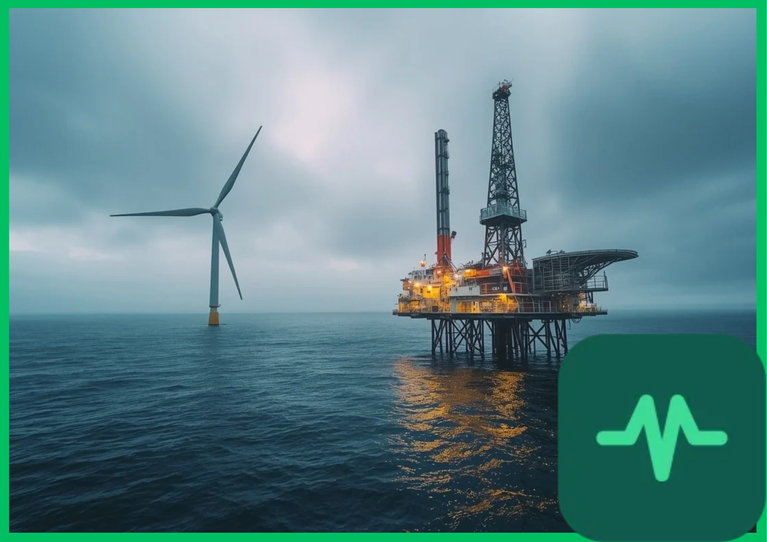
Below your boots, black waves crash violently against the massive yellow foundation of a wind turbine.
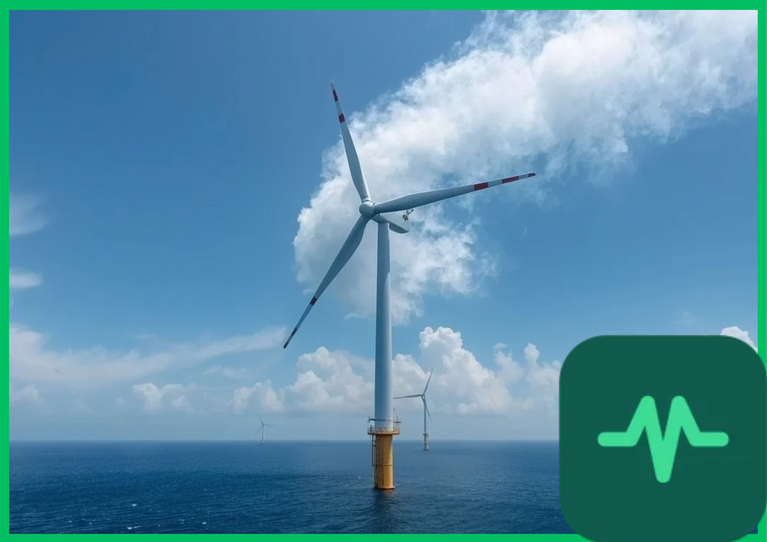
Above your head, three giant fiberglass blades sweep through the howling gale. Each blade is longer than a football field. They slice through the air with a deep, rhythmic whoishing sound that vibrates right through your chest.
It is loud, wild, and awe-inspiring.
That turbine is generating clean, silent electricity for hundreds of thousands of homes on the coast.
Now, imagine what happens when a single internal bolt works itself loose, or a salt-corroded electrical sensor fails 100 meters (approx. 330 feet) up in the nacelle.
Out on the open ocean, nature is relentless.
Saltwater, freezing spray, violent storms, and relentless wind batter these giant machines every second of every day.
For years, maintaining offshore wind energy operations was a dangerous, expensive, and unpredictable game.
Technicians had to leap from pitching boats onto swaying metal ladders in high seas just to check a gearbox.
We cannot transition our global energy grids to renewable power if our offshore infrastructure breaks down faster than we can fix it.
A quiet, brilliant technological revolution is changing how we care for the giants of the sea.
According to global clean energy reports from the International Energy Agency (IEA), resource protection frameworks from the United Nations Environment Programme (UNEP), efficiency benchmarks from ENERGY STAR, and academic offshore engineering research, advanced offshore wind turbine maintenance technology is transforming renewable energy.
By harnessing autonomous drones, robotic blade inspection, and floating wind farm servicing vessels, we keep clean power flowing safely across the globe.
Here is how offshore maintenance works, why robotics protect marine workers, and how smart turbine durability secures our sustainable future.
The Brutal Reality of the Open Ocean
To understand why maintenance technology matters so much, you have to look at the hostile environment where these turbines live.
On land, a wind turbine technician can drive up in a van, open a door, and climb the tower.
Offshore, getting to the turbine is half the battle.
Technicians face unpredictable ocean swells, gale-force winds, and thick fog.
When a maintenance crew arrives at a turbine site via specialized vessel, they must time their jump onto the transition piece perfectly as ocean waves lift and drop their boat by 3 meters (approx. 10 feet).
One misstep means injury or disaster in freezing water.
Once inside, workers confront the corrosive power of saltwater.
Airborne salt spray clings to metal surfaces, eating away at bolts, seals, and electrical housing.
Wind shear creates constant mechanical stress, shaking gearboxes and micro-cracking fiberglass blades.
For decades, maintenance relied on human inspection schedules. Crews climbed towers or repelled down giant blades on ropes, squinting through binoculars or hand-held cameras to spot microscopic hairline cracks.
That manual approach was slow, expensive, and placed human lives at high risk in brutal weather conditions.
We needed a smarter way to protect our investments in clean energy.
What Is Offshore Wind Turbine Maintenance Technology?
Offshore wind turbine maintenance technology is a suite of advanced robotics, artificial intelligence diagnostics, autonomous drones, and specialized marine vessels designed to service ocean-based generators without putting human workers in unnecessary danger.
Instead of sending technicians out into every storm, operators let machines do the dangerous scouting work.
The modern maintenance ecosystem relies on three core innovations:
- Autonomous Drones: Flying robots equipped with high-resolution thermal cameras that launch from offshore platforms to inspect blades for lightning strikes and micro-cracks while the turbine keeps spinning.
- Robotic Blade Crawlers: Remote-controlled magnetic devices that cling to vertical steel towers and fiberglass blades, cleaning surfaces and repairing erosion armor without human ropes.
- Subsea Remotely Operated Vehicles: Underwater drones that dive deep beneath the ocean surface to check monopile foundations, scour protection rocks, and subsea electrical cables.
When technology handles the dangerous inspections, human engineers stay safe onshore, analyzing crisp digital data to plan precise repairs.
The Science of Robotic Inspection and Durability
How well do flying drones and robotic crawlers spot structural damage before a turbine fails?
Academic offshore engineering research shows that automated visual and thermal scanning catches microscopic blade damage months before it causes structural failure.
As wind turbine blades sweep through the air at speeds exceeding 250 kilometers per hour (approx. 155 miles per hour) at the tips, even a tiny pebble or raindrop impact erodes the leading edge.
That erosion creates aerodynamic drag, reducing power generation efficiency.
Autonomous drones fly precise flight paths around spinning blades, capturing thousands of high-definition images in minutes.
Artificial intelligence software analyzes those images instantly, flagging paint chipping, lightning scorch marks, and internal composite delamination.
According to ENERGY STAR and international industrial efficiency evaluations, catching blade wear early preserves maximum aerodynamic efficiency, ensuring turbines generate their full rated power output throughout their operating lifecycle.
Servicing Floating Wind Farms in Deep Waters
As clean energy technology evolves, wind farms are moving further out to sea where winds blow stronger and steadier.
Traditional turbines are bolted directly into the seabed in shallow coastal waters.
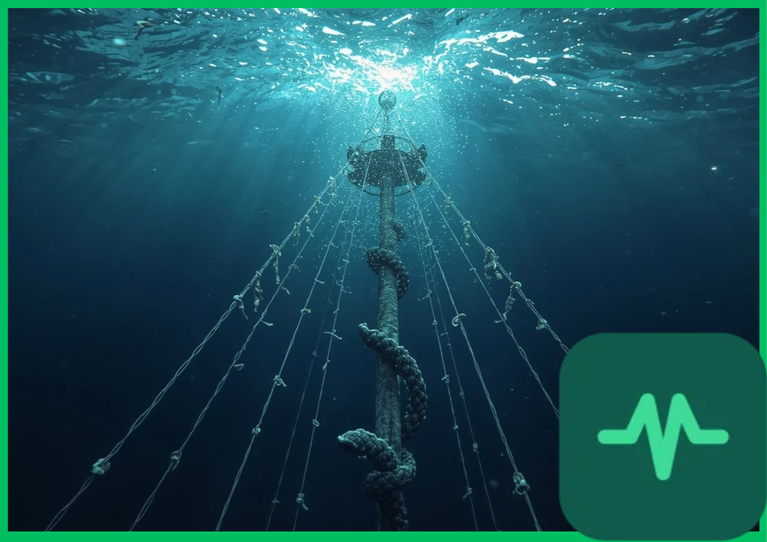
The newest generation of floating wind farms, however, anchors massive turbines to the ocean floor using heavy tension cables and floating steel platforms that sway gently with the waves.
Maintaining floating turbines introduces an entirely new engineering challenge.
Subsea mooring lines and dynamic electrical umbilicals are constantly flexed by ocean currents.
According to UNEP marine ecosystem guidelines, monitoring these deep-water installations requires advanced acoustic sensors and subsea robotics that track fatigue without disturbing marine habitats or coral growth.
IEA renewable energy roadmaps highlight that unlocking deep-water wind potential through advanced robotic maintenance is essential for meeting global decarbonization targets.
Riding the Gale Toward a Sustainable Future
Offshore wind turbine maintenance technology proves that human ingenuity can conquer the harshest environments on Earth.
We no longer have to accept that harvesting clean energy from the ocean requires risking human lives in violent storms or tolerating constant mechanical downtime.
By deploying autonomous drones, robotic blade crawlers, and advanced subsea monitoring, we keep giant wind generators spinning efficiently year after year.
We step away from dangerous manual labor, embracing a smart, safe, and resilient standard of renewable energy operations.
Through brilliant marine engineering, robotic innovation, and deep respect for our natural world, offshore wind technology rides the gale and secures a clean, powerful, sustainable future for our planet.
Comments (0)
Login to leave a comment.
No comments yet. Be the first to share your thoughts!