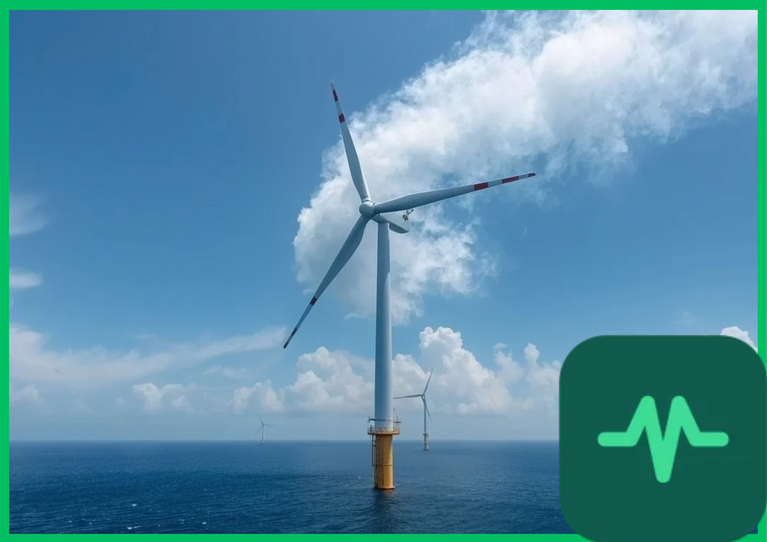
Massive steel towers stretch hundreds of feet into the sky. Enormous fiberglass blades spin in slow, powerful circles against the clouds.
Those tall turbines changed the face of clean energy across the globe.
Yet, traditional towers hit a hard physical limit.
Building a steel tower taller than 150 meters or roughly 500 feet becomes violently expensive, logistically impossible in many remote regions, and structurally vulnerable to extreme wind turbulence.
That means conventional turbines miss out on the richest energy resource in our atmosphere.
Miles above the ground, faster, steadier, and stronger winds blow continuously day and night.
How do we reach winds that fly far beyond the tallest towers ever built?
We stop building heavy towers and let smart flying devices soar into the sky.
A radical, high-flying engineering movement is transforming renewable energy generation.
According to global wind research from the International Energy Agency (IEA), resource protection frameworks from the United Nations Environment Programme (UNEP), energy efficiency standards from ENERGY STAR, and academic aerospace studies, airborne wind energy systems are opening a brand-new frontier.
By harnessing tethered kites and autonomous gliders to harvest high-altitude winds, we capture clean power where traditional blades can never reach.
Here is how airborne wind technology works, why high-altitude winds change the physics of generation, and how tethered flight secures our sustainable future.
The Height Limit of Traditional Wind Towers
To understand why airborne wind energy matters so much, you have to look at the limitations of conventional turbine design.
For the past fifty years, engineers scaled up wind power by building taller horizontal-axis turbines.
Taller towers let blades sweep larger areas and catch faster winds higher up.
As towers climbed past record heights, however, the engineering math turned punishing.
Supporting hundreds of tons of spinning machinery high in the air requires massive steel foundations, thick concrete bases, and heavy transport trucks that struggle on narrow rural roads.
Worse still, traditional turbines capture only the lowest slice of the atmospheric boundary layer.
Just a few hundred meters higher up, wind speeds double, and energy density increases exponentially.
Building a rigid steel tower to reach those heights is economically impractical.
Engineers realized we needed to drop the heavy tower entirely.
We needed to replace tons of structural steel with a lightweight, aerodynamic wing controlled by smart software.
What Are Airborne Wind Energy Systems?
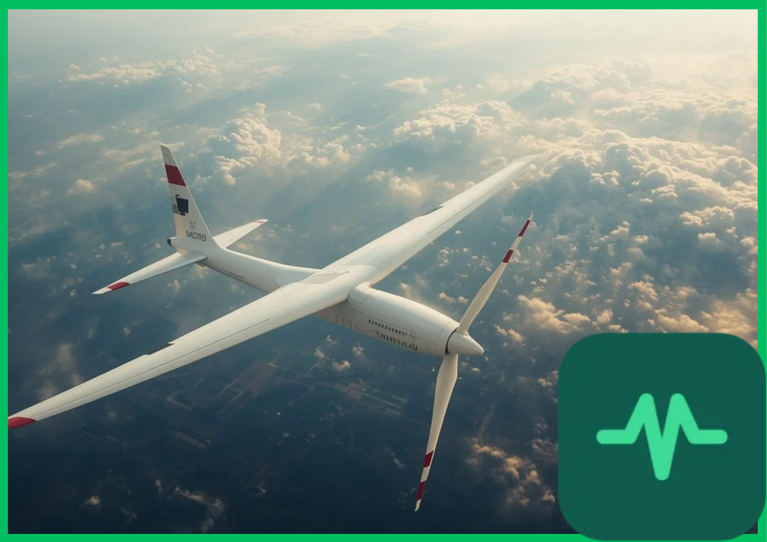
Airborne wind energy systems (AWES) use automatic tethered flying devices—often styled as soft kites, rigid-wing gliders, or aircraft with onboard rotors—to harvest high-altitude winds.
Instead of resting on a fixed 100-meter (approx. 330-foot) steel tower, the entire harvesting mechanism flies freely at altitudes ranging from 200 meters to 500 meters (approx. 650 feet to 1,640 feet) or higher.
There are two primary methods for converting that flight into electricity:
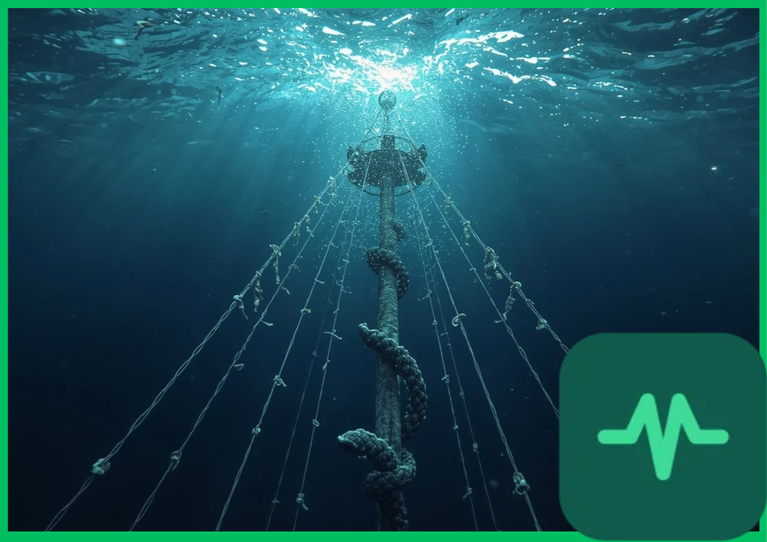
- Ground-Generation Pumping Systems: The flying kite or glider pulls intensely on a high-strength tether as it loops across the wind. That pulling force unwinds a drum on a ground-based winch, spinning a generator to produce electricity. Once the tether reaches its maximum length, the aircraft glides back down with minimal resistance, and the winch reels the tether back in.
- On-Board Generation Systems ("Fly-Gen"): Small turbine rotors mounted directly on the flying aircraft spin in the rushing wind. Those onboard generators create electricity in the air, which travels down a specialized conductive tether straight to the ground substation.
When the aircraft completes its cycle, autonomous flight computers take over, guiding the kite through figure-eight patterns to maximize aerodynamic pull.
The Science of High-Altitude Wind Power
Why do high-altitude winds offer such a massive advantage over surface breezes?
The physics of wind shear show that friction against trees, hills, and buildings slows down the air closest to the Earth's surface.
As you climb higher into the troposphere, surface friction drops away entirely.
Winds flow smoother, faster, and much more consistently.
Academic aerospace research shows that airborne wind energy systems can access capacity factors far exceeding traditional onshore turbines because high-altitude winds blow steadily through day and night.
Furthermore, because these systems require only a tiny footprint of land for their ground station winch instead of massive concrete foundations, their overall material footprint is remarkably low.
According to IEA wind innovation assessments, replacing tons of structural steel with lightweight composite wings drastically reduces the levelized cost of energy in remote regions and floating offshore environments.
Environmental Integration and Resource Governance
Like any emerging clean technology, airborne systems must prove their harmony with the natural world.
Skeptics often raise questions about airspace safety, visual impact, and wildlife protection.
According to UNEP resource governance and environmental integration frameworks, safe operation requires strict airspace management, automated radar geofencing, and careful site selection away from major bird migration corridors.
Because the tethered kites operate within designated, restricted air zones monitored by automated sensors, collision risks are tightly controlled.
According to ENERGY STAR and international industrial efficiency evaluations, the lifecycle material savings of deploying compact airborne units instead of massive turbine towers make them a compelling choice for islands, remote mining sites, and off-grid communities.
Flying Toward a Sustainable Future
Airborne wind energy systems prove that human ingenuity can overcome the physical boundaries of traditional clean tech engineering.
We no longer have to accept that harvesting wind power requires building taller, heavier, and more expensive steel towers.
By launching lightweight, tethered aircraft into the upper layers of our atmosphere, we tap into steady, powerful winds that fly far beyond our historical reach.
We step away from structural limits, embracing a nimble, high-altitude standard of renewable power.
Through brilliant aerospace engineering, autonomous flight control, and deep respect for our global environment, airborne wind systems fly high and secure a clean, limitless future for our world.

Comments (0)
Login to leave a comment.
No comments yet. Be the first to share your thoughts!