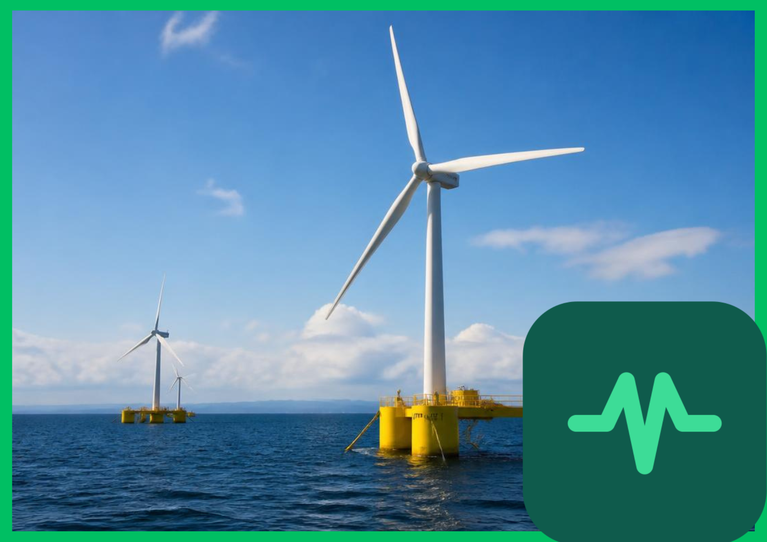
Let's talk honestly about how this bold technology functions, and why it genuinely matters right now.
Why Traditional Offshore Wind Genuinely Had Real Limits
Standard offshore wind turbines genuinely need to be fixed directly into the seafloor, which only works in relatively shallow water. This genuinely locked out huge stretches of ocean, deep water areas with genuinely excellent, consistent wind resources that traditional technology simply couldn't reach.
Floating wind turbines genuinely solve this exact problem, opening up vast new areas previously considered completely off-limits.
How Floating Wind Turbines Actually Work
Instead of a fixed foundation, these turbines genuinely sit atop massive floating platforms, anchored to the seafloor using long, flexible mooring lines rather than rigid structures. The platform genuinely stays stable even in deep water, letting the turbine capture wind exactly like its fixed-foundation cousins.
This genuinely clever engineering means water depth no longer determines where wind power can genuinely be harvested.
Why 2026 Marks Genuine, Real Progress
Several floating wind projects that existed as genuinely small pilot installations a few years ago have now scaled up into real, commercial-sized wind farms this year. This genuinely represents proof that the technology works beyond isolated test cases.
Watching these projects genuinely deliver real power to real grids marks a meaningful turning point for an idea that once seemed genuinely experimental.
Why This Genuinely Matters for Coastal Communities
Regions with deep coastal waters, places that genuinely couldn't support traditional offshore wind before, now have real access to this clean energy source. For coastal communities genuinely hoping for local jobs and cleaner power, floating wind turbines offer genuine new opportunity.
Why the Engineering Challenge Genuinely Impresses Experts
Keeping a massive structure stable while floating on constantly shifting ocean water is genuinely no small feat. Engineers have genuinely spent years perfecting mooring systems and platform designs strong enough to withstand real storms and rough seas.
This genuine engineering achievement deserves real recognition, even beyond the clean energy benefits it delivers.
The Honest Cost Challenge Still Facing This Technology
Let's be fair about real hurdles. Floating wind turbines genuinely cost more to build and install than traditional fixed-foundation versions. As more projects genuinely come online and manufacturing scales up, though, costs have started falling meaningfully.
Why This Feels Genuinely Exciting for Clean Energy's Future
There's something genuinely thrilling about watching an entirely new frontier of clean energy open up. Deep ocean wind resources that seemed permanently out of reach are now genuinely becoming real, harvestable power sources.
Why Job Creation Genuinely Matters Here Too
Building, installing, and maintaining floating wind turbines genuinely requires specialized skills and real, substantial workforces. Coastal communities near these projects genuinely see real economic benefit, alongside the broader clean energy gains.
What Comes Next for This Technology
Expect continued, steady growth as more regions with deep coastal waters genuinely explore floating wind projects, building on the real, proven success of 2026's commercial-scale installations.
Common Questions
How is floating wind different from regular offshore wind?
Floating wind turbines sit on anchored platforms rather than fixed foundations, allowing them to genuinely operate in much deeper water.
Is floating wind technology genuinely proven now?
Yes, several commercial-scale projects came online in 2026, genuinely demonstrating real-world success beyond pilot testing.
Why does deep water matter so much for wind resources?
Deep ocean areas often genuinely have stronger, more consistent wind than shallow coastal waters, making them genuinely valuable once accessible.
Final Thoughts
Floating wind turbines in 2026 represent a genuinely bold leap forward for clean energy, unlocking deep ocean wind resources once thought permanently out of reach. This engineering achievement deserves real, genuine excitement.

Comments (0)
Login to leave a comment.
No comments yet. Be the first to share your thoughts!