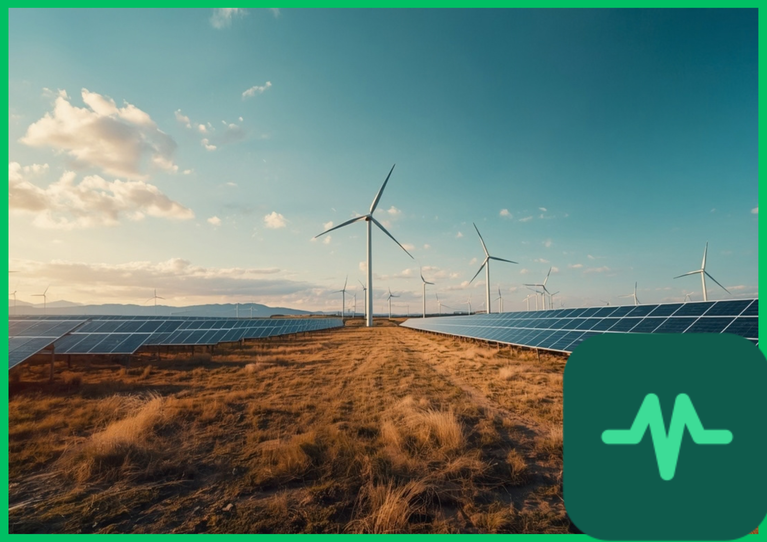
Yet, miles away, power operators face a complex balancing act.
Wind is inherently intermittent. The wind does not blow on a fixed schedule. A sudden storm front can ramp generation up to maximum capacity within minutes, while a calm high-pressure system can drop wind output to zero just as quickly.
Integrating massive amounts of large-scale wind generation into legacy power grids requires sophisticated engineering and flexible network management.
Here is how smart grid technologies and advanced forecasting help power operators manage the variable nature of wind power.
The Challenge of Renewable Intermittency
To understand grid integration hurdles, you have to look at how electrical grids operate.
As explored earlier, electricity must be generated the exact millisecond it is consumed.
When traditional power grids relied on coal or gas plants, operators simply shoveled more fuel into a furnace when demand rose.
Wind energy introduces dynamic variability.
If a wind farm suddenly stops producing power because the breeze dies down, grid operators must instantly ramp up alternative generation sources to make up the deficit and prevent rolling blackouts.
Conversely, if a massive surge of wind power hits the grid overnight when consumer demand is low, the system risks dangerous over-voltage conditions.
Advanced Meteorological Forecasting
Managing wind intermittency starts long before the wind blows.
Modern grid operators rely on sophisticated meteorological forecasting models powered by artificial intelligence and real-time satellite data.
These forecasting algorithms analyze atmospheric pressure, Doppler radar, and historical weather patterns to predict wind generation output down to the minute across specific regions.
With accurate 24-to-48-hour generation forecasts, power operators can schedule backup resources, coordinate battery storage dispatch, and manage transmission flows smoothly.
Smart Grid Balancing and Energy Storage
Advanced software and hardware solutions bridge the gap between wind variability and grid stability:
- Utility-Scale Battery Storage: Massive lithium-ion or flow battery installations co-located with wind farms store excess electricity during high-wind production peaks and discharge it smoothly when breezes die down.
- Flexible Demand Response: Automated smart systems coordinate industrial loads and smart home appliances to consume power when wind generation is high, matching consumption to natural renewable rhythms.
- High-Capacity Transmission Corridors: Interconnecting regional grids allows excess wind power generated in windy rural plains to be transmitted instantly across long distances to urban centers where demand is high.
Securing a Resilient Wind-Powered Grid
Overcoming grid integration hurdles proves that expanding wind power requires more than building turbines; it requires modernizing our entire electrical nervous system.
By combining advanced meteorological forecasting, utility-scale battery storage, and smart transmission networks, power operators ensure that wind energy remains a reliable, stable foundation of our clean energy grid.

Comments (0)
Login to leave a comment.
No comments yet. Be the first to share your thoughts!