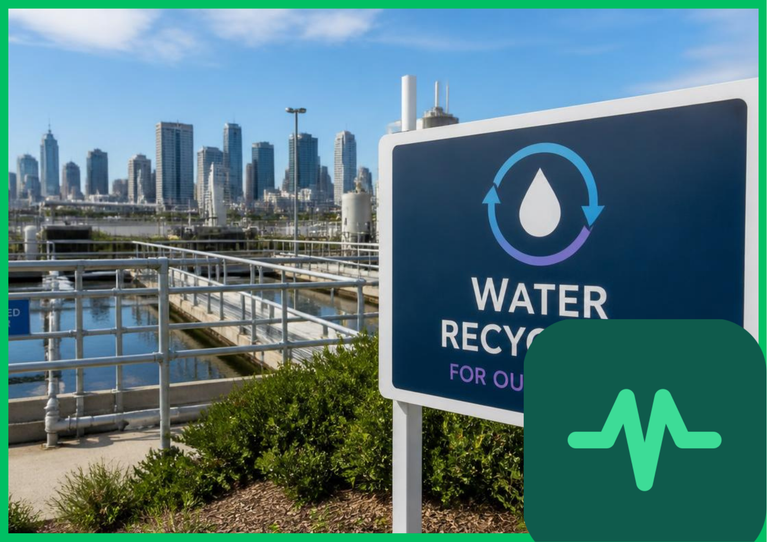
Cities are growing fast. More people need water. Businesses need water too. Agriculture needs enormous amounts of water as well. At the same time, some regions are facing genuine drought and shifting rainfall patterns that don't match the old assumptions.
This creates a serious, urgent challenge. How can communities actually use existing water resources more efficiently, without simply hoping for more rain? One real answer is water recycling.
What Is Water Recycling?
Water recycling means treating used water so it can genuinely be used again, rather than simply discarded. The exact process depends heavily on the intended final use.
Recycled water may go toward irrigation. It can support industrial activities directly. In some advanced systems, highly treated water can even become part of drinking-water supplies. The specific rules vary considerably by country and by application.
Why Reuse Water?
Traditional water systems generally follow a straightforward, linear model. Water gets collected. It gets treated. People use it. Then wastewater simply leaves the system, often treated as pure loss.
Water recycling changes that old model entirely. Instead of treating used water as something that must simply be discarded, it becomes a genuine resource worth capturing and reusing.
Agriculture
Agriculture is a major water user across much of the world, often the single largest consumer in a region. Recycled water can support irrigation directly, where regulations and treatment systems allow it safely.
This meaningfully reduces pressure on freshwater resources that would otherwise get depleted. Safety standards, though, must always come first, without exception, given how directly this water touches the food supply.
Industry
Industrial facilities also consume large amounts of water in their daily operations. Many processes require water for cooling, cleaning, or manufacturing directly.
Recycling water within these facilities reduces how much fresh water they need to pull from local supplies in the first place, easing pressure on the broader system.
Cities and Drought
Drought places enormous pressure on urban water supplies, sometimes forcing painful restrictions on residents. Water recycling can provide an additional, more reliable source during these stressful periods.
This doesn't eliminate drought entirely, and it's worth being honest about that. It can genuinely help diversify water supplies, though, reducing how much a city depends on rainfall alone.
Advanced Treatment
Modern water-treatment systems rely on several different technologies working together. These may include filtration, biological treatment, and advanced purification methods.
The exact technology used depends on the specific water source and its intended final use, since drinking water and irrigation water face very different requirements.
Is Recycled Water Safe?
Safety depends entirely on proper treatment and careful regulation, nothing more and nothing less. Water intended for drinking must meet genuinely strict quality standards before it ever reaches a tap.
Distinguish between different types of recycled water, since not all of it gets treated for drinking. Some serves entirely different, equally important purposes instead.
Public Trust Matters
Technology alone isn't enough to make this work. People need real confidence in the system behind their water. Clear, honest communication matters enormously here.
Governments and utilities need to explain exactly how water gets treated, in plain language people can actually follow. They need to publish reliable quality information too, openly and consistently, not buried in technical reports nobody reads.
Smart Water Technology
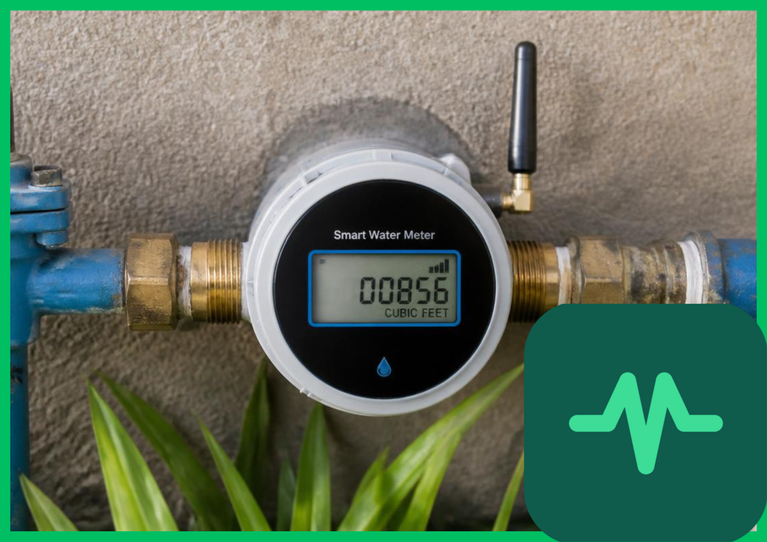
Digital technology genuinely supports water recycling in practical ways. Sensors monitor water quality continuously, catching problems early. Automated systems identify issues before they become serious. Data helps operators manage treatment plants far more effectively than manual oversight alone.
This connects water recycling directly with the wider smart-city movement, tying two important trends together into one coherent story.
Energy and Water
Water treatment requires real energy to run properly. Pumping water across a city requires energy too, often more than people realize. Water systems and energy systems, in other words, are genuinely connected at a fundamental level.
Improving energy efficiency in water treatment makes recycling meaningfully more sustainable overall. Renewable electricity can also help reduce the carbon footprint of water infrastructure specifically, tying these two sustainability efforts together.
Can Homes Recycle Water?
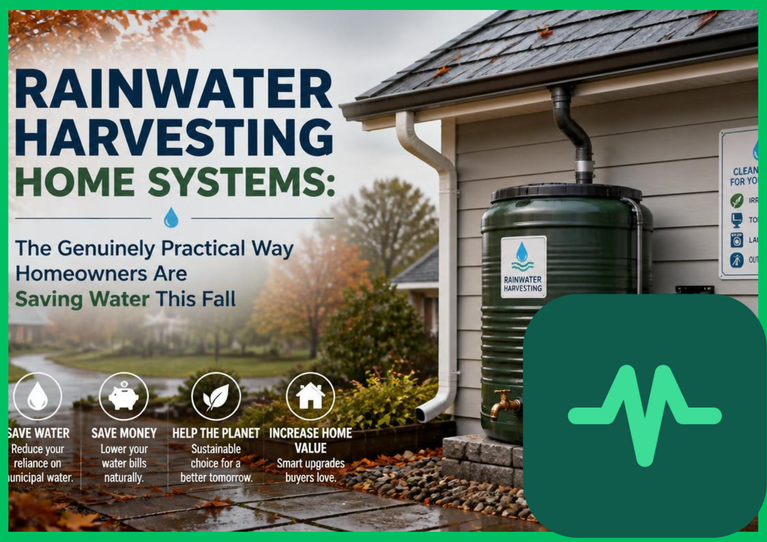
Some homes can use systems that collect certain types of household water for reuse. Greywater systems, for instance, can reuse water from specific household activities for approved purposes around the property.
Local regulations vary quite a bit here, though. Always follow your local health and plumbing requirements closely before installing anything like this yourself.
The Future of Urban Water
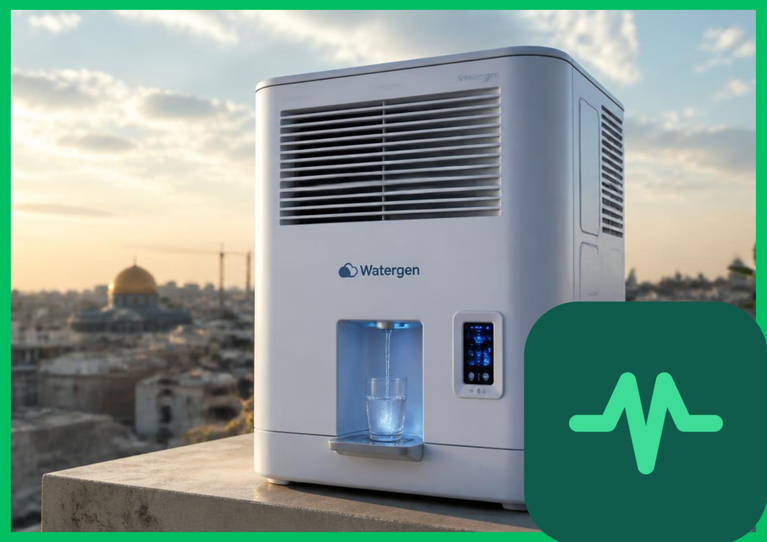
Future cities will likely draw on multiple water sources at once, rather than relying on just one. Rainwater collection. Water recycling. Desalination. Groundwater. Surface water. All working together as one integrated system.
The overall goal is greater resilience, so no single drought or disruption threatens the entire water supply at once.
EcoGreenPulse View
Water recycling is a strong example of circular thinking applied to a resource we often take for granted. Instead of treating water as a one-time resource used once and forgotten, cities can increasingly view it as something worth recovering and reusing again and again.
That shift in mindset could become increasingly important as water pressure keeps growing worldwide, driven by both population growth and shifting climate patterns.
Conclusion
Water is genuinely too valuable to use once and simply forget about. Recycling and reuse help communities make far better use of the resources they already have, rather than constantly searching for more.
Safety, though, must always remain the top priority throughout this process. Strong treatment systems, reliable ongoing monitoring, and clear regulations are absolutely essential, not optional extras.
For future cities, water recycling could become a genuinely important part of a smarter, more resilient water system, one built to handle whatever pressures come next.
Sources: United Nations Environment Programme resources on water and resource efficiency; World Health Organization resources on water safety and reuse.

Comments (0)
Login to leave a comment.
No comments yet. Be the first to share your thoughts!