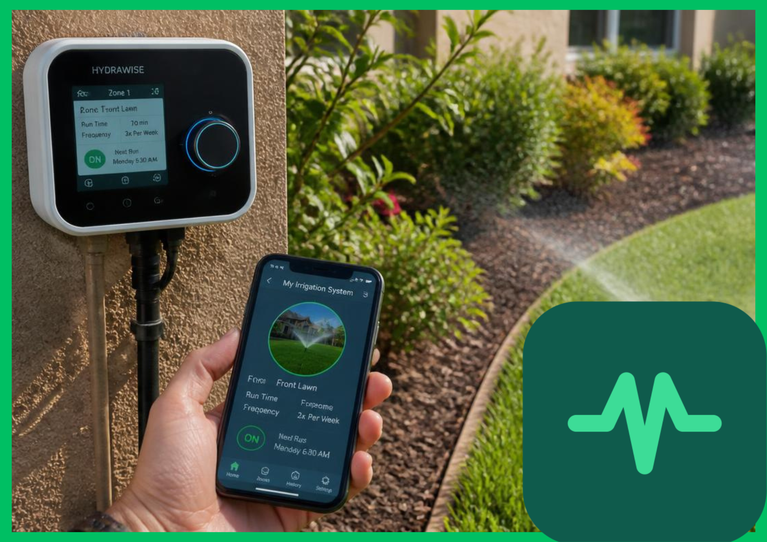
You've seen it happen. Sprinklers running full blast during a rainstorm, or right after one. It's genuinely wasteful, and honestly, kind of ridiculous when you think about it.
Smart irrigation systems fix this exact problem, automatically. Let's talk about how they actually work, and whether they're worth the investment for your own lawn.
What Makes an Irrigation System "Smart"
A traditional sprinkler system runs on a fixed schedule. Water on Tuesday and Thursday, rain or shine, whether your lawn actually needs it or not.
A smart irrigation system, instead, adjusts automatically based on real conditions. It checks local weather forecasts. Some models even check actual soil moisture levels directly in your yard. Based on this real information, the system decides whether watering today actually makes sense.
Why This Genuinely Matters for Your Water Bill
Outdoor watering makes up a surprisingly large chunk of household water use in many American regions, especially during hot summer months. A lot of that water gets wasted on lawns that genuinely didn't need it that day.
Smart irrigation systems can cut outdoor water use significantly, often by twenty to fifty percent depending on your specific setup and climate. For homes with real water bills tied to consumption, that adds up to genuine savings over a full season.
How These Systems Actually Get Their Information
Different systems use different methods, worth understanding before you buy.
Weather-based systems pull local forecast data directly from the internet, adjusting watering schedules based on recent rainfall and upcoming forecasts. If rain is expected tomorrow, the system simply skips today's watering.
Soil moisture systems go a step further, using actual sensors buried in your yard to measure real moisture levels directly. This tends to be even more precise, since it's measuring your actual lawn conditions, not just regional weather averages.
Why This Feels Like Genuine Common Sense
There's something almost embarrassing about traditional sprinkler timers once you really think about it. Why would we water a lawn on a fixed schedule, completely ignoring whether it actually rained yesterday?
Smart irrigation systems just apply basic common sense through technology. It's not a flashy, complicated innovation. It's simply doing something obvious that older systems never bothered to do.
Installation: Easier Than You Might Think
Many smart irrigation controllers can actually replace your existing sprinkler timer directly, using your home's existing sprinkler wiring and zones. This means installation is often far simpler than people assume.
Some models are genuinely simple enough for a confident DIY homeowner to install themselves in an afternoon. Others benefit from professional installation, especially if you're adding soil sensors or want a more customized, complex setup.
Cost Considerations Worth Knowing
Smart irrigation controllers range considerably in price, from relatively affordable basic models to more expensive systems with soil sensors and advanced app features.
Many homeowners find the water savings pay back the initial investment within one to three years, depending on your local water prices and how large your lawn actually is. After that payback period, it's essentially pure savings every single season going forward.
Rebates Can Make This Even More Affordable
Here's something many homeowners don't realize. Numerous American water utilities offer rebates specifically for smart irrigation controllers, recognizing the genuine water savings these systems provide across their service area.
Check with your local water utility before buying. You might find a rebate that meaningfully offsets your upfront cost, making the switch even more financially appealing.
Beyond Water Savings: A Healthier Lawn Too
Here's a genuine bonus most people don't expect. Smart irrigation often produces a healthier lawn than traditional fixed-schedule watering.
Overwatering is a real, common problem with old-style sprinkler timers. It can actually harm grass roots and encourage certain lawn diseases. Smart systems, by watering only when genuinely needed, often result in a lawn that looks noticeably better, not just one that uses less water.
Drought Considerations for Western States
If you live somewhere facing serious drought concerns, particularly across parts of the American West, smart irrigation systems offer real, meaningful value beyond just saving money.
Some regions have started implementing watering restrictions during severe droughts. A smart system helps ensure you're using every drop as efficiently as possible, genuinely respecting shared water resources during difficult periods.
Common Questions About Smart Irrigation Systems
How much water can a smart irrigation system actually save?
Many homeowners see savings between twenty and fifty percent on outdoor water use, depending on climate and system type.
Do I need to replace my whole sprinkler system to get a smart controller?
Usually not. Most smart controllers work with your existing sprinkler wiring and zones, replacing just the timer itself.
Are there rebates available for smart irrigation systems?
Yes, many American water utilities offer rebates. Check with your local utility before purchasing to see what's available in your area.
Do smart irrigation systems work in every climate?
Yes, though the specific savings and setup benefits vary depending on your local weather patterns and water costs.
Final Thoughts
Smart irrigation systems solve a genuinely obvious problem, watering lawns based on real conditions instead of a rigid, thoughtless schedule. It feels almost surprising this wasn't standard practice years ago.
If you've ever watched your sprinklers run during a downpour and felt that little pang of frustration, this technology is worth a real look. It's a rare upgrade that saves you money, helps your lawn, and respects a genuinely precious resource, all at once.
Comments (0)
Login to leave a comment.
No comments yet. Be the first to share your thoughts!