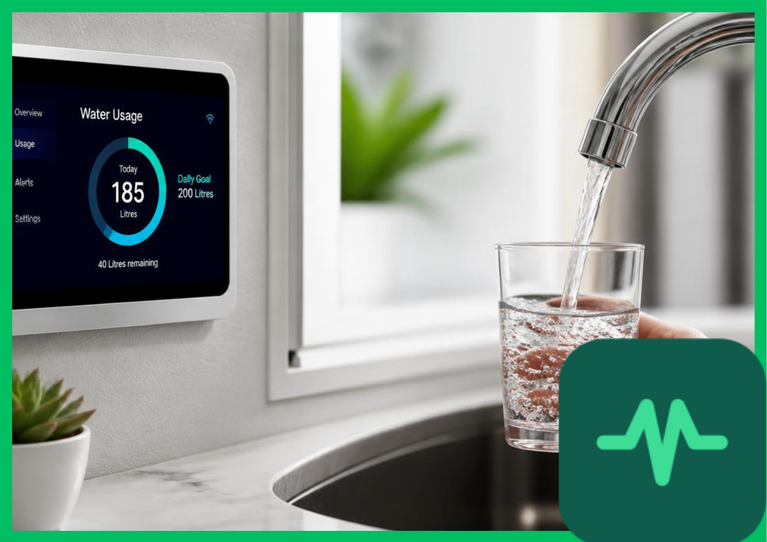
Turn on a tap and clean water appears instantly. It can feel practically unlimited. It genuinely isn't.
Fresh water is a valuable, finite resource. Yet large amounts of household water get wasted every day, often without anyone noticing. A leaking pipe can run for days unnoticed. A running toilet can waste far more water than most people realize. Outdoor watering can quietly consume more than expected too.
This is exactly where smart water technology could make a real difference.
What Is Smart Water Technology?
Smart water technology uses sensors, connected devices, and software to monitor exactly how water gets used. The goal here is refreshingly simple. Understand your consumption first. Then use that information to actually reduce waste.
Some systems monitor water flow in real time. Others detect unusual patterns automatically. More advanced systems can send alerts the moment they spot a possible leak, sometimes before you'd ever notice yourself.
Smart Water Meters
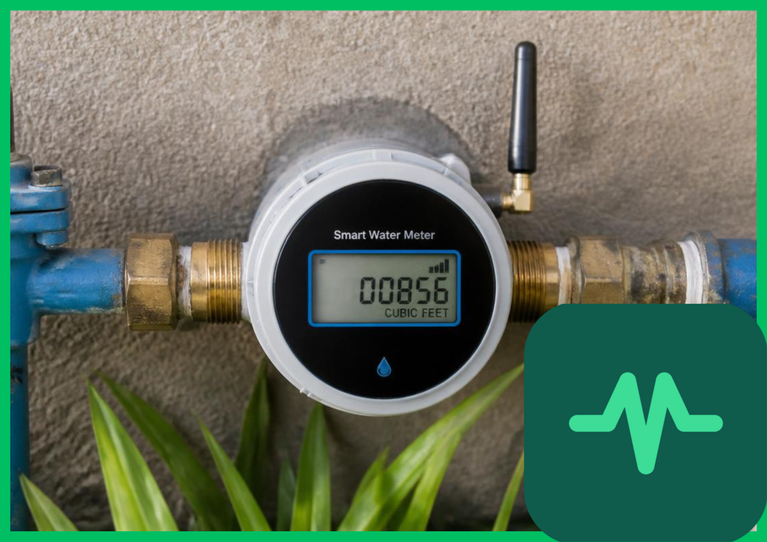
A smart water meter provides far more detail than a traditional one ever could. Instead of just recording total consumption at the end of the month, connected systems track when and how water actually gets used throughout the day.
This helps households understand their own real habits. A family might discover, for instance, that water use spikes sharply at certain times of day. That kind of insight can genuinely encourage smarter decisions going forward.
Leak Detection
Leaks represent one of the biggest opportunities for real water savings. A small leak might not look serious at first glance. Continuous leakage, though, can waste significant amounts of water over time, quietly adding up on a bill nobody's watching closely.
Smart sensors monitor water flow continuously. If something unusual gets detected, the system alerts the homeowner immediately. Some advanced systems can even shut off the water supply automatically, stopping damage before it spreads.
Why Early Detection Matters
Picture this scenario. You leave home for a two-week holiday. A pipe develops a leak while you're gone. Nobody notices. Water keeps flowing the entire time you're away.
The result could be genuinely expensive property damage on top of the wasted water itself. A smart water system can detect unusual water use far earlier than a human ever could. That early warning helps reduce both water waste and costly property damage at the same time.
Smart Irrigation
Outdoor water use can be managed with smart technology too. Smart irrigation systems use sensors and real-time weather information to adjust watering automatically.
If rain is in the forecast, the system can reduce unnecessary watering on its own. Soil sensors provide direct information about actual moisture levels too. This combination helps prevent overwatering, something that's remarkably easy to do without even realizing it.
Water and Climate Change
Climate change is putting real pressure on water systems in many regions around the world. Some places face increasingly severe droughts. Others deal with unexpected flooding instead.
Changing rainfall patterns make water planning genuinely harder for everyone involved, from individual households to entire cities. Using water efficiently, in other words, is becoming more important every single year, not less.
Smart Homes Can Connect Water and Energy
Water use connects directly to energy use, something easy to overlook. Heating water requires real energy. Pumping water requires energy too. Treating wastewater afterward requires energy as well.
Because of this chain, reducing unnecessary water use can sometimes reduce energy demand at the same time. This creates an important, often-missed connection between water technology and the wider EcoTech market as a whole.
Smart Showers and Taps
Some companies are developing connected bathroom products specifically for this purpose. These can monitor water use directly at the point of consumption. Some systems provide real-time feedback to users as they shower or wash up. Others can control water flow automatically.
The goal here isn't making anyone uncomfortable or restricting daily life. Instead, the technology simply helps consumers understand how much water they're actually using, information most people have never had access to before.
Does Smart Water Technology Save Money?
It genuinely can. If a system helps catch a leak early, the savings can be substantial, sometimes preventing thousands in property damage alone. Reducing unnecessary water use also lowers water bills directly, in areas where households pay based on actual consumption.
The real financial benefit still depends on local water prices and the upfront cost of installing the technology, so the math varies by situation.
Is Smart Water Technology Expensive?
Not always, and that's worth knowing upfront. Simple leak sensors can be genuinely affordable for most households. More advanced whole-home systems cost more, naturally.
Start with your biggest actual problem rather than buying everything at once. If leaks are your main concern, a dedicated leak-detection system may deliver more real value than a complex, expensive whole-home platform you don't fully need.
Privacy and Smart Devices
Connected home technology raises real privacy questions too, and they're worth taking seriously. Understand exactly what information any device actually collects. Check how that data gets stored and who can access it.
Use strong passwords on every connected device. Keep software updated regularly too. Smart technology should genuinely make life easier, without introducing unnecessary digital risk into your home.
What Consumers Should Look For
Before buying a smart water product, check a few key things:
- Installation requirements
- Battery life
- App support
- Sensor range
- Compatibility with your existing setup
- Warranty coverage
- Data policies
- Local service availability
A device is only genuinely useful if it works reliably day after day, not just in a demo video.
EcoGreenPulse View
Smart water technology is a great example of digital tools addressing a genuinely old problem in a new way. People simply can't manage what they can't see.
By providing better, clearer information, smart systems make invisible water waste far easier to identify and actually fix, rather than letting it quietly continue unnoticed for years.
Conclusion
Water conservation doesn't always require major lifestyle changes or sacrifice. Sometimes, better information alone makes a real difference. Smart meters reveal true consumption patterns. Sensors catch leaks early. Smart irrigation reduces outdoor waste automatically.
Together, these technologies can help households use water far more carefully, without much extra daily effort. The future of sustainable living won't just be about cleaner energy. It will also involve smarter, more attentive use of one of Earth's most valuable and increasingly stressed resources.
Sources: United Nations Environment Programme and International Energy Agency resources on resource efficiency, water-related sustainability, and energy systems.
Comments (0)
Login to leave a comment.
No comments yet. Be the first to share your thoughts!