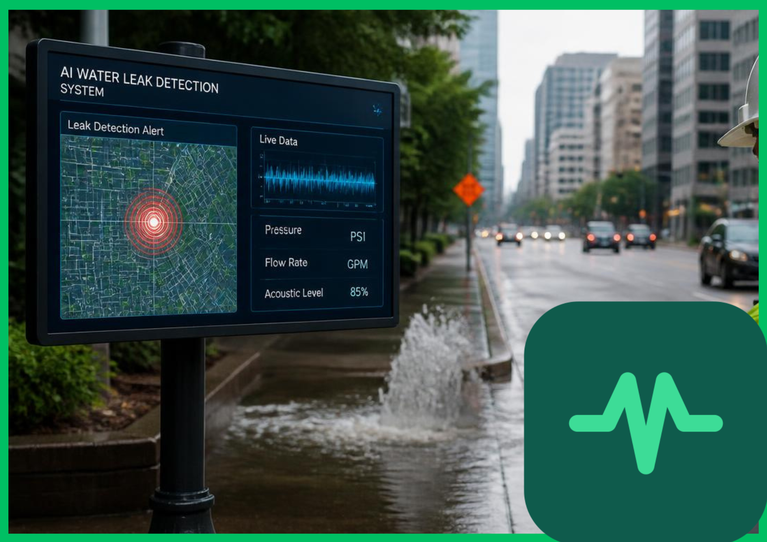
A small crack in an underground pipe. Barely noticeable at first. Left unchecked, though, it can flood a street, waste millions of gallons of water, and cost a city serious money to repair after the fact.
AI water leak detection is quietly changing this story, catching these problems early, before they become genuine disasters. Let's talk honestly about how this technology actually works.
Why This Problem Genuinely Matters
American cities lose staggering amounts of water every year through leaks in aging pipe infrastructure, much of it decades old and genuinely difficult to inspect visually since it's buried underground.
This isn't just wasteful, though that alone matters given growing water scarcity concerns. It's genuinely expensive too, both in wasted treated water and in emergency repair costs when a small leak eventually becomes a major pipe burst.
How AI Water Leak Detection Actually Works
Traditional leak detection often relied on someone physically noticing a problem, a wet patch on the street, a mysteriously high water bill, or worse, an actual pipe burst causing visible flooding.
AI water leak detection flips this reactive approach. Sensors placed throughout a water system continuously monitor factors like pressure, flow rate, and sound patterns. AI software analyzes this constant stream of data, looking for subtle patterns that suggest a leak, often long before it becomes visible on the surface.
Why Sound Detection Genuinely Works So Well
Here's a genuinely clever detail worth understanding. Leaking pipes make a distinct, subtle sound, different from the normal sound of water flowing properly through an intact pipe.
Specialized acoustic sensors can detect these subtle sound differences, even underground, even before any visible leak appears. AI software gets trained to recognize these subtle acoustic patterns, flagging potential problem areas for human inspection before they become genuine emergencies.
Real Cities Already Using This Technology
This isn't purely theoretical anymore. Several American cities have deployed AI water leak detection systems across parts of their water infrastructure, with genuinely promising results.
Some cities have reported catching leaks weeks or even months earlier than they would have using traditional detection methods, saving both water and genuine repair costs by addressing problems while they're still small and manageable.
Why This Matters for Your Own Water Bill
Here's something that connects directly to your own household. Water utilities that catch leaks earlier waste less treated water overall. This genuinely helps keep water rates more stable for everyone, rather than passing along the cost of wasted water and emergency repairs to all customers.
There's a more direct connection too. Smart home water leak sensors, using similar underlying technology, can catch leaks inside your own home, under a sink, behind a washing machine, before they cause serious, expensive damage.
The Home Version of This Technology
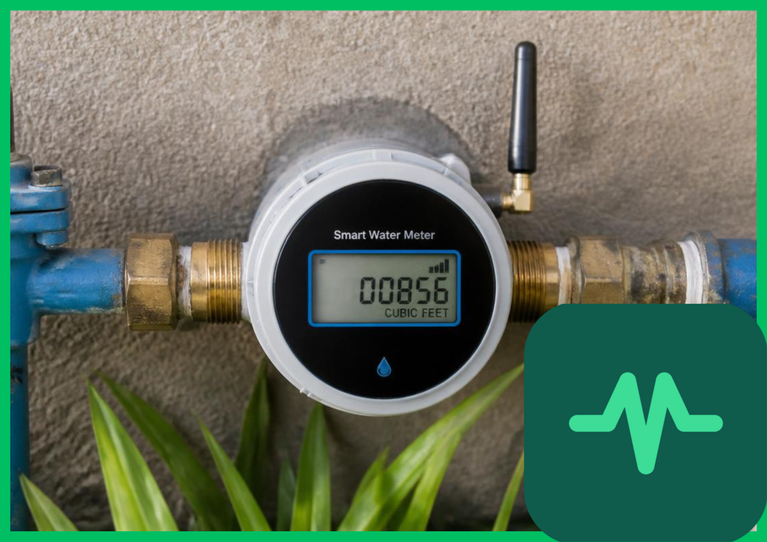
You don't need to be a city government to benefit from this kind of technology. Affordable smart water sensors exist for regular homeowners now, placed near appliances or plumbing fixtures prone to leaking.
These sensors can send an alert straight to your phone the moment they detect unusual moisture or water flow, letting you catch a small leak before it turns into a genuinely expensive insurance claim.
Why This Feels Like Genuine Peace of Mind
There's something genuinely reassuring about this kind of quiet, background protection. You're not constantly checking under every sink and behind every appliance yourself. The technology watches continuously, alerting you only when something actually needs attention.
For homeowners who've experienced a genuinely costly water damage disaster before, even a small one, this kind of proactive detection offers real, meaningful peace of mind going forward.
Aging Infrastructure Makes This Especially Important
American water infrastructure is genuinely old in many cities, with some pipes dating back over a century. This aging infrastructure makes leak detection genuinely more urgent than it might be in a country with newer, more recently built systems.
AI water leak detection offers a genuinely practical way to manage this aging infrastructure more effectively, catching problems proactively rather than waiting for expensive, disruptive failures to force emergency action.
The Environmental Angle Worth Understanding
Beyond cost savings, there's a genuine environmental benefit here too. As water scarcity concerns grow across parts of America, wasting treated water through undetected leaks feels genuinely irresponsible when better technology exists to prevent it.
Every leak caught early represents real, saved water, water that stays available for genuine, productive use rather than seeping uselessly into the ground through a cracked, undetected pipe.
Challenges This Technology Still Faces
Let's be honest about real obstacles here. Deploying sensors across an entire city's water infrastructure costs real money upfront, and not every city has genuinely prioritized this investment yet.
There's also a genuine data management challenge, processing constant streams of sensor data effectively requires real technical infrastructure and expertise, which smaller municipalities sometimes struggle to build out on their own.
Why This Story Feels Genuinely Hopeful
Despite these real challenges, AI water leak detection represents genuine, practical progress, technology quietly solving a real, expensive, often invisible problem that's plagued American cities for decades.
It's not a flashy, headline-grabbing innovation. It's the kind of quiet, practical technology that genuinely makes daily life better without most people ever noticing it's working in the background.
Common Questions About AI Water Leak Detection
How does AI actually detect a water leak before it's visible?
It analyzes patterns in pressure, flow, and sound data from sensors, catching subtle anomalies that suggest a leak long before any visible sign appears.
Can I get this kind of technology for my own home?
Yes, affordable smart water leak sensors are available for homeowners, sending phone alerts if they detect unusual moisture or water flow.
Do American cities actually use this technology already?
Yes, several cities have deployed AI leak detection across parts of their water systems, with genuinely promising results in catching leaks earlier.
Why does aging infrastructure make this technology especially important?
Older pipes are more prone to leaks and harder to inspect visually, making proactive detection technology genuinely more valuable in cities with aging systems.
Final Thoughts
AI water leak detection might not sound as exciting as electric cars or solar panels, but it's genuinely solving a real, expensive, often invisible problem quietly, both at the city level and inside individual homes.
If you've ever dealt with unexpected water damage, or worried about it, this kind of quiet technology offers genuine, practical relief. Sometimes the most valuable innovations aren't the flashy ones. They're the ones working silently in the background, catching problems before they ever become disasters.

Comments (0)
Login to leave a comment.
No comments yet. Be the first to share your thoughts!