
Look around your home for a moment. Your phone contains metals and plastics. Your furniture contains wood, metal, or synthetic materials. Your clothes contain fibers. Your packaging contains paper, plastic, glass, or aluminum.
Almost everything we use depends on materials in some form. That's exactly why sustainable materials are becoming increasingly important. The materials chosen to make a product genuinely influence waste, resource use, and overall environmental impact.
What Are Sustainable Materials?
There's no single definition that fits every product perfectly. Generally speaking, though, sustainable materials are chosen or designed to reduce environmental impact while still doing their job well.
They may be recycled from existing waste. They may come from renewable sources. They may simply last longer than the alternative. They may also be easier to reuse or recycle once their first life ends.
Recycled Materials
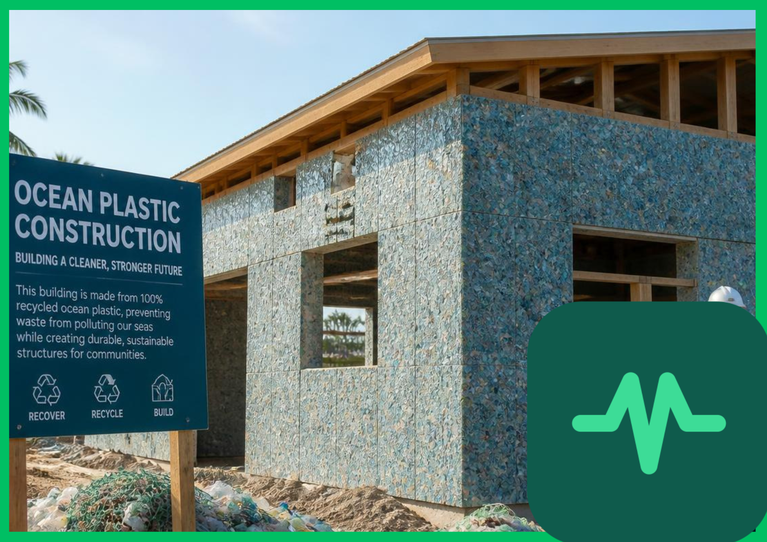
One approach here is using recycled content instead of starting from scratch. Rather than making everything from newly extracted resources, manufacturers can use materials recovered from existing products and waste streams.
Recycled aluminum is one common example. Recycled plastics are another. The real benefits depend heavily on how the material actually gets collected and processed along the way.
Renewable Materials
Some materials come from renewable biological sources. Wood is a classic example. Certain plant-based materials are being developed for packaging and other products too.
Renewable, though, doesn't automatically mean sustainable. That's worth remembering. Production still needs to account for land use, water consumption, energy demand, and biodiversity impact, not just the source material itself.
Biodegradable Materials
Biodegradable materials often get discussed as an alternative to conventional plastics. Be careful with that word "biodegradable," though.
A material may only break down under very specific conditions. Those conditions might not exist in normal household waste systems at all. Check product claims carefully before assuming "biodegradable" means it'll simply vanish in your backyard compost.
Durability Matters
A sustainable product doesn't necessarily require a brand-new material to earn that label. Sometimes the most sustainable choice is simply a product built to last longer.
If a product survives ten years instead of two, you need far fewer replacements over time. That alone reduces overall material demand, often more than any clever new material could.
Sustainable Materials in Electronics
Electronics contain a wide range of different materials. Manufacturers are actively exploring ways to reduce waste and improve how much material actually gets recovered.
Recycled metals can play a real role here. Designing products specifically for repair and recycling helps too. This matters more every year as electronic waste keeps growing worldwide.
Sustainable Materials in Cars
Modern vehicles contain enormous quantities of materials. Steel. Aluminum. Plastics. Glass. Copper. Battery materials too, of course.
Electric vehicles add an entirely new major material system through their batteries specifically. Because of this, sustainable material choices are becoming increasingly important throughout automotive manufacturing.
Sustainable Packaging
Packaging is one area where consumers see material choices every single day, whether they realize it or not. Companies are experimenting with:
- Recycled paper
- Recycled plastics
- Plant-based materials
- Reusable packaging
- Reduced packaging overall
The best option still depends on the specific product, though. Packaging still has to genuinely protect food and other goods, not just look eco-friendly on the shelf.
The Importance of Product Design
Materials can't really be considered separately from overall design. A product made from perfectly recyclable material can still create real waste if it's genuinely difficult to disassemble at the end of its life.
Manufacturers increasingly need to think about the entire product life cycle, start to finish. That means considering what happens before use, during use, and after use, all together as one connected picture.
Sustainable Materials and the Circular Economy
These two ideas connect closely. A circular economy aims to keep materials in use for as long as possible. Sustainable materials directly support that goal.
Picture a product made with recycled material. It gets designed for easy repair too. At the end of its life, its materials get recovered once again for the next product. That creates a genuinely more circular system, closing the loop instead of leaving it open.
What Consumers Should Look For
Don't assume a product is automatically environmentally friendly just because it uses words like "green" or "eco" on the label. Those words alone tell you very little.
Look for specific, concrete information instead. Ask yourself:
- What material is actually being used?
- Is recycled content genuinely included?
- Is the product built to be durable?
- Can it actually be repaired?
- Can it actually be recycled?
- What happens at the end of its life?
Clear, specific information beats vague marketing every single time.
Green Claims Need Evidence
Sustainability claims are becoming more common across nearly every industry. That's genuinely positive news. Consumers still need reliable information behind those claims, though, not just reassuring language.
A company should be able to explain exactly what makes its material more sustainable. Specific data is far more useful than broad, feel-good claims. This matters especially as governments introduce stronger rules around environmental marketing and greenwashing.
The Future of Materials
Material innovation could become one of the most important areas within sustainable technology going forward. Researchers and companies are actively exploring genuinely new materials.
They're also finding better ways to recover materials that already exist. The future likely involves a real combination: recycled materials, renewable resources, improved manufacturing, and products built to last considerably longer than today's average.
EcoGreenPulse View
Sustainable materials may not grab headlines the way electric cars or solar panels do. They influence almost every part of modern life, though, quietly and constantly.
The phone in your hand depends on materials. So does your car. So does your home. So does the packaging wrapped around your food. Making material use more efficient, in other words, could have a genuinely powerful impact across the entire economy at once.
Conclusion
The shift toward sustainable materials is about far more than simply finding replacements for plastic or other traditional materials. It's about thinking differently from the ground up.
Products need to last longer. Materials need to stay useful across multiple lifecycles. Waste needs to shrink. Consumers need clearer, more honest information to make real choices.
As technology keeps improving, sustainable materials could become a completely normal part of everyday products, rather than a special, premium feature reserved for a few brands willing to advertise it.
Sources: United Nations Environment Programme resources on sustainable consumption and production; International Energy Agency resources on clean-energy supply chains and critical minerals.



Comments (0)
Login to leave a comment.
No comments yet. Be the first to share your thoughts!