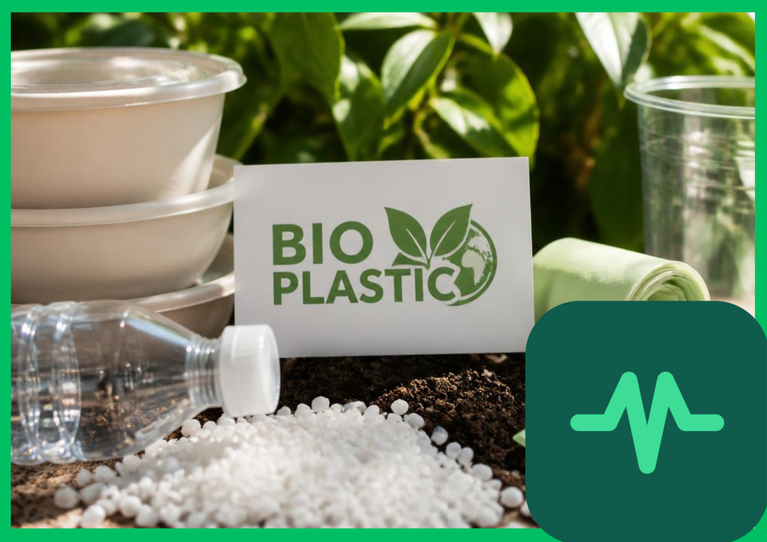
You pick up a cup at a coffee shop labeled "plant-based" or "compostable." It feels genuinely reassuring, like you're making a better choice. But is it actually true? Are bioplastics genuinely better for the environment, or is this partly clever marketing?
The honest answer is genuinely complicated. Let's break it down clearly, without the confusing marketing language.
Bioplastics, Explained Simply
Bioplastics are plastics made, at least partly, from plant-based materials, like corn starch, sugarcane, or other renewable biological sources, rather than petroleum, the traditional source of most conventional plastic.
This sounds genuinely straightforward and positive at first glance. Plant-based instead of oil-based sounds like an obvious environmental win. The honest reality, though, is genuinely more nuanced than that simple framing suggests.
Not All Bioplastics Are Actually Biodegradable
Here's something that genuinely surprises a lot of people. Being made from plants doesn't automatically mean a bioplastic will actually break down naturally in the environment.
Some bioplastics are genuinely biodegradable under the right conditions. Others are chemically similar enough to conventional plastic that they persist in the environment for a genuinely long time too, despite starting from a plant-based source rather than petroleum.
Why "Compostable" Doesn't Always Mean What You Think
This is genuinely important to understand. Many compostable bioplastics only actually break down properly in industrial composting facilities, with specific, carefully controlled temperature and humidity conditions.
If you toss that "compostable" cup in your regular backyard compost pile, or worse, a regular landfill, it might not actually break down the way the label genuinely implies. Landfills, in particular, often lack the specific conditions bioplastics genuinely need to decompose properly.
The Honest Land Use Question
Here's a genuine trade-off worth understanding. Growing corn or sugarcane specifically for bioplastic production requires real farmland, water, and fertilizer, resources that carry their own genuine environmental costs.
This creates a legitimate question worth asking honestly. Is dedicating farmland to plastic production genuinely better than using petroleum, especially when that same farmland could otherwise grow food? There's no simple, universal answer here, it genuinely depends on specific circumstances and production methods.
Where Bioplastics Genuinely Shine
Despite these real complications, bioplastics do offer genuine benefits in certain situations. Producing bioplastic often creates lower carbon emissions than producing conventional petroleum-based plastic, even accounting for the agricultural inputs required.
Some bioplastics genuinely do break down effectively in the right composting conditions, offering a real end-of-life advantage over conventional plastic that persists in landfills essentially forever.
Why Reading Labels Genuinely Matters Here
Given this real complexity, it's genuinely worth reading labels carefully rather than assuming "plant-based" automatically means "better for the environment" in every meaningful way.
Look specifically for information about whether a product is genuinely biodegradable under normal conditions, or whether it requires specific industrial composting facilities that might not be genuinely accessible in your local area.
The Genuine Confusion Around Recycling Bioplastics
Here's another honest complication worth understanding. Bioplastics generally can't go in your regular plastic recycling bin, they require separate, specific processing that most residential recycling programs genuinely don't support yet.
This means a well-meaning consumer might toss a bioplastic item in their regular recycling bin, accidentally contaminating that batch, since it doesn't actually belong there despite feeling like it should, given its "eco-friendly" branding.
Why Some Companies Use This as Genuine Greenwashing
Let's be honest about a real, uncomfortable possibility here. Some companies genuinely use bioplastic labeling primarily as a marketing tool, capitalizing on consumer goodwill without necessarily delivering meaningfully better environmental outcomes.
This doesn't mean every bioplastic product is genuinely deceptive, many companies pursue this seriously and thoughtfully. It does mean healthy skepticism is genuinely warranted, rather than assuming every "plant-based" label automatically represents a meaningfully better choice.
What Genuinely Matters More Than the Material Itself
Here's an honest, important perspective worth considering. For a lot of single-use items, the genuinely bigger environmental question isn't plastic versus bioplastic, it's single-use versus reusable in the first place.
A reusable cup, used hundreds of times, genuinely beats both conventional plastic and bioplastic single-use alternatives, regardless of which specific material that single-use item happens to be made from.
Where American Companies Are Making Genuine Progress
Despite these real complications, some American companies are genuinely investing seriously in improving bioplastic technology, developing versions that break down more reliably and require less agricultural land than earlier generations of the technology.
This represents genuine, meaningful progress, even if the overall picture remains more nuanced than simple marketing claims suggest.
How to Actually Make Smarter Choices Here
Given this honest complexity, a few practical principles genuinely help. Prioritize reducing single-use items overall, regardless of material. When you do use bioplastics, check whether your local area actually supports proper industrial composting for them.
Don't assume "plant-based" automatically means "environmentally superior" without genuinely understanding the specific product and its actual end-of-life disposal requirements.
Common Questions About Bioplastics
Are bioplastics always biodegradable?
No, not automatically. Some bioplastics genuinely break down under the right conditions, while others persist similarly to conventional plastic despite their plant-based origin.
Can I put bioplastics in my regular recycling bin?
Generally no. Most bioplastics require separate, specialized processing that typical residential recycling programs don't currently support.
Are bioplastics always better for the environment than regular plastic?
Not necessarily in every case. It genuinely depends on the specific product, its production method, and how it actually gets disposed of afterward.
What matters more, choosing bioplastic or reducing single-use items generally?
Reducing single-use items overall generally matters more environmentally than simply switching the specific material of disposable products.
Final Thoughts
Bioplastics represent a genuinely well-intentioned effort to reduce our dependence on petroleum-based plastic, but the honest reality is genuinely more complicated than simple marketing claims often suggest.
The real, honest takeaway here isn't "avoid bioplastics entirely." It's "read labels carefully, understand what you're actually buying, and remember that reducing single-use consumption overall genuinely matters more than which specific material a disposable item happens to be made from."
Comments (0)
Login to leave a comment.
No comments yet. Be the first to share your thoughts!