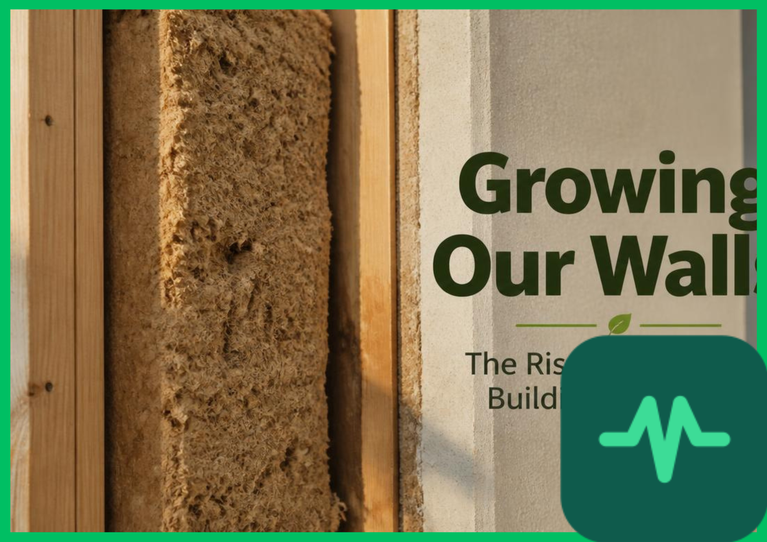
Instead of smelling harsh chemical fumes or synthetic plastics, the air feels clean, neutral, and fresh.
For decades, the construction industry relied heavily on petrochemical foams, fiberglass, and mineral wool to insulate our homes. These materials trap heat efficiently, but they carry a hidden environmental cost. Their manufacturing processes demand massive amounts of energy and release substantial greenhouse gas emissions.
A quiet, green transformation is taking shape in modern architecture.
According to building sector assessments from the International Energy Agency (IEA), resource efficiency guidelines from the United Nations Environment Programme (UNEP), and academic material science research, the future of construction is literally growing out of the earth.
Bio-based building insulation is replacing synthetic alternatives, offering high-performance thermal protection with a minimal carbon footprint.
Here is how renewable insulation materials work, why they outperform expectations, and how they reshape sustainable building design worldwide.
The Hidden Carbon Cost of Traditional Insulation
To understand why bio-based insulation matters, you have to look at what happens behind your drywall.
Conventional insulation materials like expanded polystyrene, extruded polystyrene, and fiberglass do an exceptional job of blocking heat flow.
However, manufacturing those synthetic products requires refining petrochemicals at roaring, high-energy temperatures.
The embodied carbon—the total greenhouse gas emissions generated during the extraction, transport, and manufacturing of a building material—is remarkably high for synthetic foams.
When you insulate a home with petrochemical products, you trap operational energy while locking in a heavy upstream carbon debt.
Furthermore, some synthetic materials can degrade over time or release volatile organic compounds that impact indoor air quality.
As global building codes tighten energy efficiency standards to fight climate change, architects and engineers are searching for materials that protect the climate both inside and outside the walls.
What Is Bio-Based Building Insulation?
Bio-based insulation replaces synthetic petrochemicals with renewable, organic raw materials.
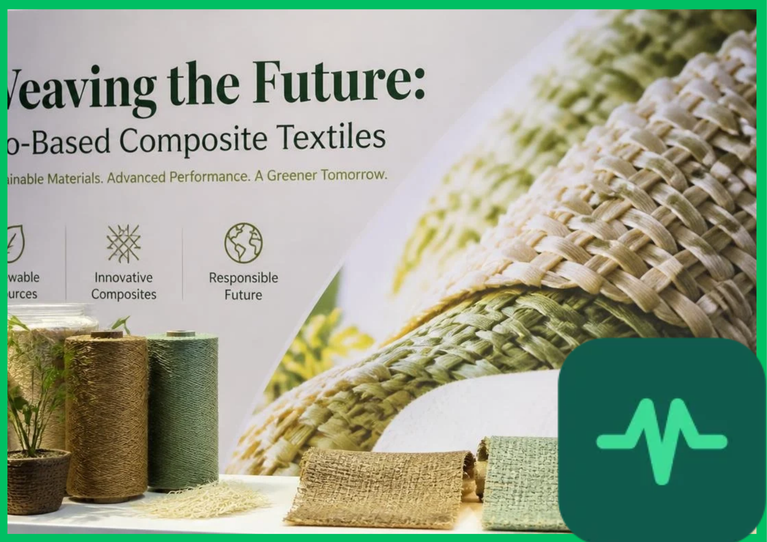
These insulating products are crafted from agricultural by-products and fast-growing plant fibers, including industrial hemp stalks, flax, wood fibers, sheep wool, cork, cereal straw, and recycled cellulose flakes.
During their growth phase, these plants absorb carbon dioxide directly from the atmosphere through natural photosynthesis.
Even after harvest and processing into flexible batts or rigid boards, that carbon remains securely locked inside the material.
Many bio-based insulation products boast a net-zero or even carbon-negative lifecycle footprint.
Instead of adding pollution to the planet during production, they actively store atmospheric carbon inside the structural walls of your home.
Thermal Performance Meets Natural Physics
A common myth is that natural, plant-based materials cannot compete with the thermal performance of high-tech synthetic foams.
Comprehensive academic material reviews and engineering studies disprove that assumption entirely.
When tested in laboratory environments, renewable insulation materials demonstrate thermal conductivity coefficients that match or closely rival commercial fiberglass and mineral wool benchmarks.
For example, optimized panels made from hemp shives and plant-based binders achieve excellent thermal resistance, keeping interior spaces warm during freezing winters and cool during scorching summer heatwaves.
Furthermore, bio-based materials possess a unique physical advantage: moisture regulation.
Unlike plastic foams that trap condensation and trigger hidden mold growth, natural plant fibers can absorb, store, and safely release ambient moisture vapor without losing their structural integrity or thermal value.
This moisture-buffering effect stabilizes indoor humidity, creating a healthier, more comfortable living environment for occupants.
Acoustic Absorption and Circular Lifecycles
Thermal regulation is only one benefit of bio-based insulation.
Scientific evaluations show that natural plant fibers—especially cellulose, flax, and hemp—provide exceptional acoustic absorption properties, reducing unwanted noise transmission between rooms and from the outside world just as effectively as traditional mineral wool.
At the end of a building's multi-decade operational lifespan, synthetic foam insulation usually ends up in a landfill, where it persists for centuries.
Bio-based insulation follows the principles of a true circular economy.
Many natural insulation batts can be uninstalled, recycled, or safely composted, returning harmless organic nutrients back to the earth.
Growing a Sustainable Architectural Future
The shift toward bio-based building insulation represents a profound change in how we think about human shelter.
We are moving away from extractive, polluting synthetic chemistry and returning to smart, renewable engineering rooted in nature.
By selecting bio-based materials, builders reduce embodied carbon, improve indoor air quality, and support regional agricultural economies.
We are literally growing the walls of our future, proving that the most advanced climate solutions are often harvested right from the soil.
Comments (0)
Login to leave a comment.
No comments yet. Be the first to share your thoughts!