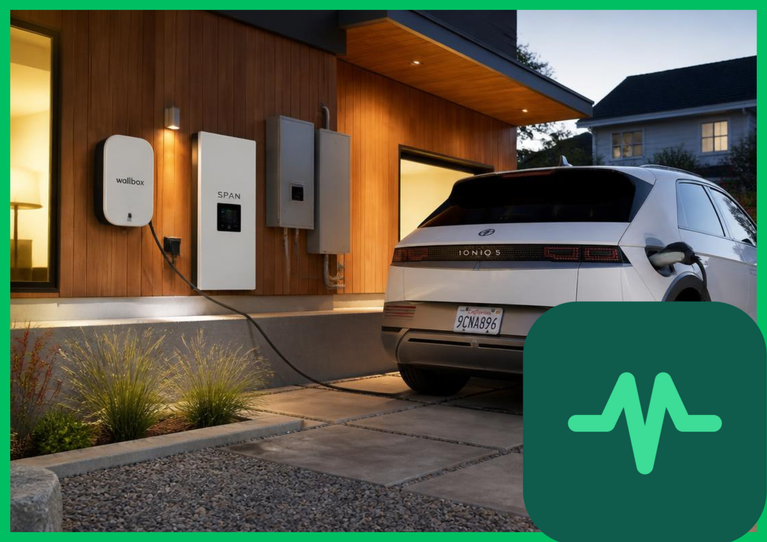
Let's talk honestly about how this actually works, and why it matters right now.
What Vehicle-to-Home Technology Actually Means
Your EV genuinely carries a massive battery, often far larger than a typical home backup battery. Vehicle-to-home technology lets that stored energy flow backward, powering your house instead of just your car.
This genuinely transforms your vehicle from a single-purpose transportation tool into a genuinely versatile backup power source too.
Why 2026 Marks Real, Genuine Progress Here
For years, this technology existed mostly in limited pilot programs and a handful of expensive, specialized vehicles. This year, more mainstream EV models genuinely support this feature, and compatible home equipment has become genuinely more affordable and widely available.
This shift from "rare novelty" to "genuinely accessible option" matters enormously for everyday families.
Why This Genuinely Matters During Extreme Weather
This year has genuinely brought more headlines about grid strain and storm-related outages. Families watching their power flicker during a heat wave or winter storm genuinely worry about losing electricity for days.
Vehicle-to-home technology offers real, genuine peace of mind here. Your EV can genuinely keep your refrigerator running, your lights on, and your phone charged, without waiting anxiously for utility crews to restore power.
How This Actually Works in Your Home
You'll genuinely need compatible equipment, typically a specific home charger designed to handle two-way power flow, plus a compatible vehicle. Once installed, your EV can genuinely switch into backup mode automatically when the grid goes down.
Why This Feels Like Genuine, Practical Security
There's something deeply reassuring about knowing you already own the solution to a genuine crisis, sitting right there in your driveway. Families who've experienced real outages describe this technology as offering genuine relief, not just convenience.
The Honest Cost Considerations Worth Knowing
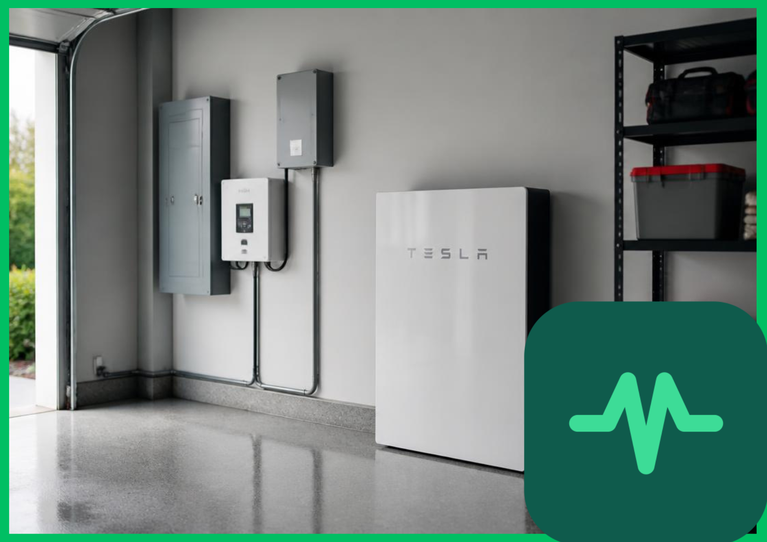
Compatible equipment genuinely adds cost beyond the vehicle itself. Still, many families find this genuinely cheaper than purchasing a separate, dedicated home battery system, since you're using a battery you already own for your car.
Why Not Every EV Genuinely Supports This Yet
Let's be fair about real limitations. Not every electric vehicle on the market currently supports vehicle-to-home technology. If this feature genuinely matters to you, check specific vehicle compatibility carefully before buying.
What to Ask Before Installing This System
Ask how much of your home this system can genuinely power during an outage, your whole house or just essential circuits. Ask about installation costs and any available rebates in your specific area.
Common Questions
Can any EV genuinely power my home during an outage?
No, this feature genuinely requires specific vehicle and equipment compatibility, so check before assuming.
How long can my EV genuinely power my house?
This varies by battery size and home usage, but many families genuinely get several days of essential power from a full charge.
Is this technology genuinely affordable now?
It's become noticeably more accessible in 2026, though costs still vary by vehicle and installation needs.
Final Thoughts
Vehicle-to-home technology in 2026 offers genuine, practical security for families worried about outages. Your EV isn't just transportation anymore. It's genuinely becoming your home's quiet, reliable backup plan too.
Comments (0)
Login to leave a comment.
No comments yet. Be the first to share your thoughts!