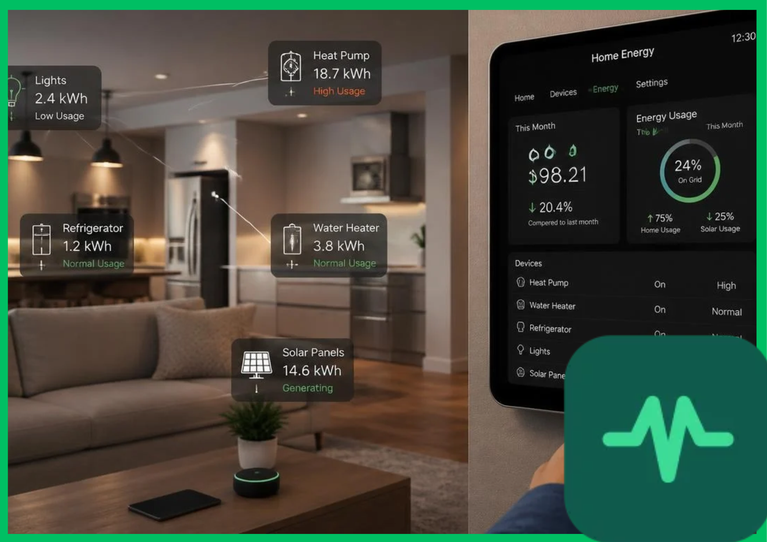
You step out of bed onto warm bedroom floors. The house already feels comfortable, adjusted perfectly to your daily routine before your alarm even rings.
Down in the kitchen, the coffee maker finishes brewing your morning cup.
Your home feels alive, attentive, and deeply efficient.
Now, imagine what is happening behind the walls.
Out on the regional power grid, energy demand surges as millions of people wake up and turn on heaters, appliances, and lights.
Traditionally, power plants burn extra fossil fuels to meet that morning rush, pumping massive amounts of carbon pollution into our shared atmosphere.
Your intelligent home handles that morning peak differently.
Without you lifting a finger, your house coordinated its power usage overnight. It stored thermal energy when electricity was cheap and clean, and it coasted quietly through the morning peak.
We are entering a new era of home energy efficiency.
According to global energy reports from the International Energy Agency (IEA), resource sustainability frameworks from the United Nations Environment Programme (UNEP), efficiency benchmarks from ENERGY STAR, and academic smart grid research, automated home energy management systems are transforming how we use power.
By utilizing artificial intelligence algorithms, real-time load shifting, and smart thermostats, our living spaces become active partners in the clean energy transition.
Here is how smart home automation works, why load shifting slashes carbon footprints, and how intelligent energy management secures our sustainable future.
The Wasteful Habit of Traditional Homes
To understand why automated energy management matters so much, you have to look at how traditional houses consume electricity.
For decades, homes operated as passive energy black holes.
Electric heaters ran at full blast whenever indoor temperatures dipped, regardless of what was happening on the power grid outside.
Water heaters kept massive tanks of water scalding hot twenty-four hours a day, even when nobody was home.
Appliances drew maximum power whenever someone pressed the start button.
Households across the globe wasted staggering amounts of electricity simply because homes lacked basic awareness of time, cost, and grid conditions.
When millions of inefficient homes demand power at the exact same moment, utility operators face a crisis.
They fire up polluting peaker power plants—often running on coal or gas—just to cover those brief, intense spikes in demand.
We could not keep heating and cooling our homes through brute-force energy consumption.
We needed our living spaces to think ahead.
What Is an Automated Home Energy Management System?
An automated home energy management system (HEMS) is a centralized digital hub that connects your household appliances, heating systems, electric vehicle chargers, and solar panels into a single, intelligent network.
Instead of waiting for you to manually adjust thermostats or unplug devices, the system uses smart algorithms to manage power consumption automatically.
The core functions of home energy management rely on three smart capabilities:
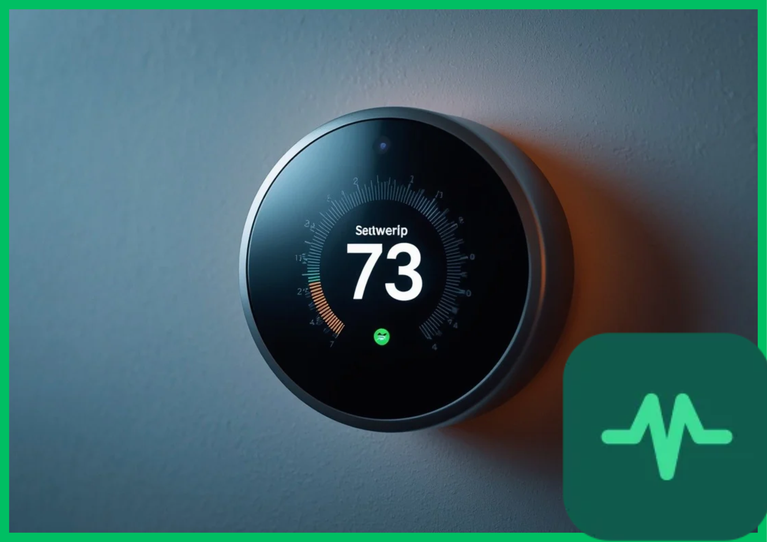
- AI-Driven Smart Thermostats: Learning your daily schedule, weather forecasts, and thermal insulation patterns to heat or cool your home using the least amount of energy possible.
- Real-Time Load Shifting: Automatically rescheduling heavy electricity tasks—like running the washing machine, heating domestic water, or charging your electric vehicle—to times of day when renewable wind and solar energy are abundant and cheap.
- Appliance Optimization: Communicating instantly with smart meters to pause power draw during emergency grid peaks, preventing brownouts without sacrificing your personal comfort.
When your house automates these decisions behind the scenes, energy waste vanishes.
The Science of Load Shifting and Grid Harmony
The true power of automated home energy management lies in the physics of electrical grids.
Electricity cannot be easily stored in large quantities on traditional wires; it must be generated the exact millisecond it is consumed.
When renewable solar farms peak at noon, electricity is clean and plentiful. When the sun sets and families return home in the evening, demand spikes while solar generation drops to zero.
Academic smart grid research shows that automated load shifting bridges that daily gap perfectly.
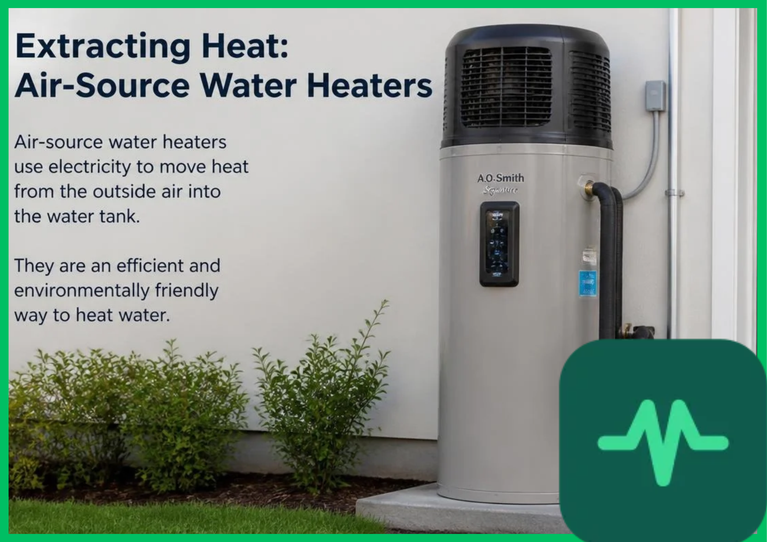
Your home energy management system watches the grid in real time. When clean energy floods the local network in the afternoon, your smart water heater ramps up its heating cycle, storing thermal energy for later.
When evening peak demand hits, your water heater turns off completely, letting stored thermal energy keep your water piping hot without drawing a single watt from the grid.
According to IEA energy transition assessments, widespread adoption of automated home energy management reduces residential peak electricity demand by up to 20% to 30%.
That reduction eliminates the need to build expensive, polluting fossil-fuel power plants.
Saving Money While Protecting the Planet
Intelligent home automation does more than stabilize the regional power grid. It lowers your monthly utility bills.
Electricity prices fluctuate throughout the day based on supply and demand.
When homes run heavy appliances during expensive peak pricing hours, families pay top dollar for carbon-heavy energy.
Automated systems track dynamic electricity pricing schedules, shifting energy use away from expensive hours automatically.
According to ENERGY STAR efficiency evaluations, homes equipped with automated energy management cut their annual electricity consumption significantly while maintaining absolute indoor comfort.
UNEP sustainable housing frameworks highlight that smart thermostats and load-shifting appliances reduce household carbon footprints without requiring lifestyle sacrifices.
You sleep comfortably, your home stays warm, and your energy bills shrink.
Living in an Intelligent Sustainable Future
Automated home energy management systems prove that technology can harmonize our daily lives with the needs of our planetary ecosystem.
We no longer have to accept that running a comfortable household requires wasting electricity and straining our power grids.
By harnessing artificial intelligence algorithms, real-time load shifting, and smart appliance coordination, our homes become active participants in global decarbonization.
We step away from passive energy waste, embracing an intelligent, responsive living standard.
Through smart engineering, efficient automation, and thoughtful daily stewardship, automated home energy management secures a clean, affordable, and sustainable future for every household on Earth.
Comments (0)
Login to leave a comment.
No comments yet. Be the first to share your thoughts!