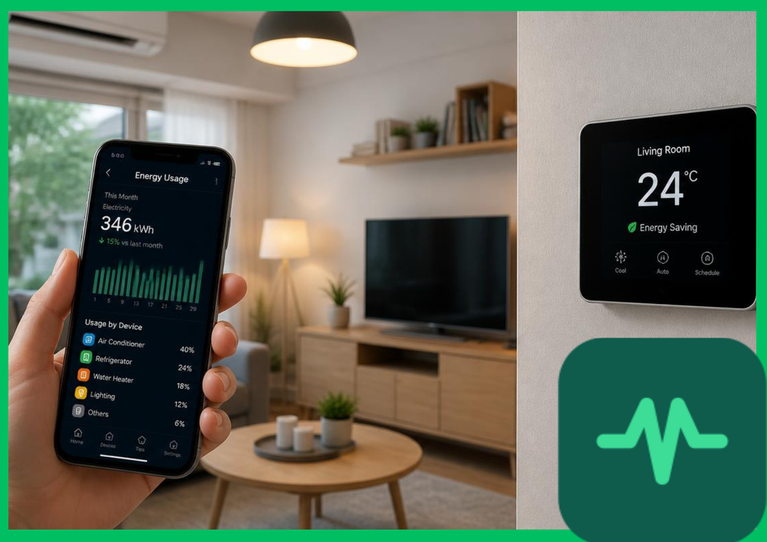
A smart home is not simply a home filled with internet-connected devices. The more important question is different. Does the device actually help you use energy more intelligently?
That's where smart energy technology comes in. It includes any technology that monitors, controls, or automatically manages energy use, such as:
- Smart meters
- Smart thermostats
- Smart plugs
- Energy monitors
- Connected appliances
- Smart lighting
- Home energy-management systems
- Solar monitoring systems
- Battery-management systems
Together, these tools help households finally see where their electricity is actually going.
Why Knowing Your Energy Use Matters
Many people know how much they pay for electricity. Far fewer know exactly which appliances drive that cost.
This creates a real problem. If you don't know where energy goes, you can't know where to improve. Energy monitoring changes that completely.
A smart system can show electricity use in different ways. Some display consumption in real time. Others provide daily or monthly summaries. Either way, this information helps you spot unusual or unnecessary consumption before it adds up.
Smart Meters
A smart meter measures electricity use electronically. Depending on the market, it can send readings straight to your electricity provider automatically.
Some smart meters go further. They offer detailed insight into your consumption patterns. This can make billing more accurate. It can also help you understand your own usage habits over time.
Features vary by country and provider, though. It's worth checking exactly what your local smart-meter system offers.
Smart Plugs
Smart plugs are refreshingly simple. They connect between an outlet and a device.
Some measure electricity use directly. Others let you switch a device on or off remotely. This is useful for equipment that doesn't need to run all the time.
For example, you could schedule certain devices to shut off automatically overnight. Just be sure to use smart plugs safely, and within their rated capacity.
Smart Thermostats
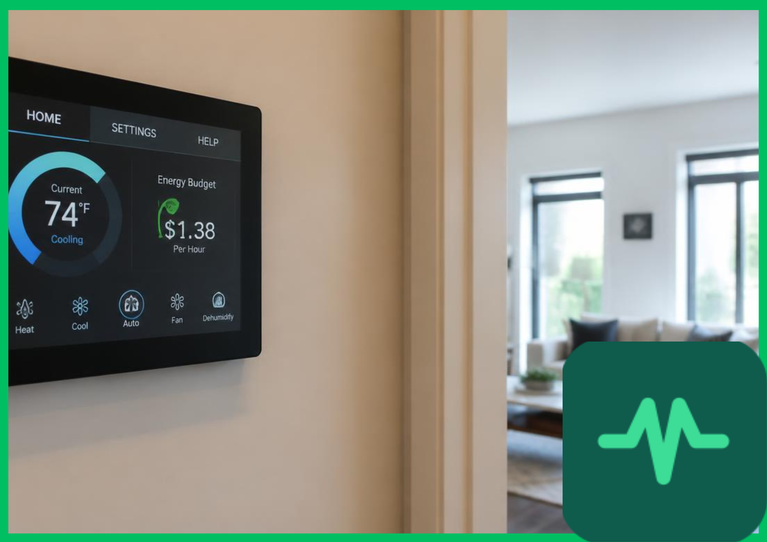
Heating and cooling can eat up a large share of household energy. A smart thermostat helps manage temperature automatically. You don't have to think about it constantly.
Some systems build schedules on their own. Others detect when people are actually home. Some even learn your habits over time. The goal stays the same throughout: avoid heating or cooling a space that doesn't need it.
The IEA highlights smart controls as an important tool for improving energy efficiency and managing electricity demand.
Smart Air Conditioners
In hot climates, air conditioning can become one of the biggest electricity draws in a home. Smart controls help manage that load more carefully.
A system might let you set schedules. It might allow remote control from your phone. Some adjust operation automatically based on conditions.
One important caveat, though: a smart air conditioner isn't automatically an efficient one. Efficiency still matters on its own merits.
Smart Lighting
Smart lighting offers real convenience. It also helps cut unnecessary electricity use.
Lights can run on a schedule. Some switch off automatically after a set time. Motion sensors can turn lights on only when someone actually enters a room. This is especially useful in spaces where lights often get left on by accident.
LED lighting already uses less electricity than traditional incandescent bulbs. Pairing efficient lighting with smart controls stacks those savings even further.
Smart Appliances
Connected appliances are becoming increasingly common. Refrigerators, washing machines, and other devices now often include digital controls.
Some send notifications. Others report detailed energy consumption. Some offer dedicated energy-saving modes.
Here's an important warning, though. Don't buy an appliance just because it's labeled "smart." The smart features need to deliver a real, useful benefit. Otherwise, the extra cost may not be worth it.
Home Energy Management Systems
For a more advanced setup, consider a home energy-management system. Instead of controlling one appliance, it coordinates several devices at once.
It might monitor:
- Solar panels
- Batteries
- Appliances
- Electric vehicles
- Electricity prices
- Household demand
Using this information, the system decides when electricity should be generated, stored, or consumed. This becomes more valuable as homes add more electrical technology over time.
Smart Energy Technology and Solar
Consider a home with solar panels. During the afternoon, solar production often peaks.
A smart system can recognize this window. It can then encourage certain appliances to run during it. A washing machine, for instance, might run midday instead of at night.
This practice is called demand shifting. The goal is simple. Match electricity consumption with electricity availability, rather than fighting against it.
Smart Technology and Batteries
A smart energy technology system can also manage a home battery directly. When solar production is high, the battery charges. Later, the system discharges it exactly when needed.
Depending on local electricity prices, the system might do even more. It could charge during cheaper hours. Then it could use that stored power later, during expensive peak times. Just make sure battery operation always follows the manufacturer's specifications.
Smart Charging for Electric Vehicles
Electric cars are becoming another major household electricity load. Recharging a vehicle can require a significant amount of power.
Smart charging helps manage exactly when that power gets used. A car might charge during low-demand hours. If solar power is available, charging could sync with solar production directly.
The real benefit depends on a few things. It depends on your vehicle. It depends on your charger. It depends on your electricity tariff and local system setup too.
Does Smart Technology Automatically Save Money?
No. This point deserves real emphasis.
Installing smart devices doesn't automatically shrink your electricity bill. The technology has to actually change behavior. Or it has to automate genuinely useful energy-saving actions.
A smart thermostat that simply displays the temperature won't save much on its own. One that automatically reduces unnecessary heating or cooling delivers far more real value. Focus on what a device actually does, not just what it claims to be.
Privacy Is Also Important
Connected devices collect data. Some smart energy products record details about household behavior. This can include when people are home. It can include how electricity gets used throughout the day.
Check the privacy policy before buying. Understand what data gets collected. Know where it's stored, and who can access it.
Cybersecurity Matters Too
Connected devices can introduce real cybersecurity risks. A few basic habits go a long way:
- Use strong passwords
- Keep device software updated
- Buy from reputable manufacturers
A smart home should be convenient. It should be secure too. Neither should come at the expense of the other.
Smart Homes and the Future Electricity Grid
Smart energy technology is likely to matter even more as electricity systems evolve. Solar and wind generation naturally vary. Electric vehicles add new demand. Heat pumps increase electricity use in many homes. Batteries add storage capacity to the mix.
Smart controls help coordinate all of these moving pieces together. The IEA has highlighted demand-side flexibility as an increasingly important part of modern electricity systems. This suggests something important. The smart home could eventually become an active participant in the broader electricity grid, not just a passive consumer.
Simple Ways to Start
You don't need to transform your entire home overnight. Start with monitoring instead.
First, understand how much electricity your home actually uses. Then identify the biggest energy consumers. From there, layer in improvements gradually:
- Monitor electricity use
- Identify major loads
- Replace inefficient equipment when it makes sense
- Add smart controls where they offer real benefit
- Consider solar or storage if it suits your home
- Automate electricity use wherever practical
This step-by-step approach avoids unnecessary spending on features you may never actually use.
EcoGreenPulse
Smart energy technology is most valuable when it solves a real household problem. It can show you where electricity actually goes. It can automate useful tasks. It can coordinate solar, batteries, appliances, and electric vehicles into one working system.
What it shouldn't be is a purchase made just because a device connects to the internet. The real value has always been energy management, not connectivity for its own sake.
Conclusion
Smart energy technology can help households shift from simply consuming electricity to actively managing it. Smart meters provide information. Smart thermostats manage heating and cooling. Smart plugs control individual appliances. Home energy-management systems tie several technologies together.
The biggest opportunity often comes when these systems work in concert, not in isolation. Homes are becoming more electrified. They are becoming more connected too. They are becoming more powered by renewable energy every year. Because of this shift, smart energy management is likely to become an increasingly important part of everyday life.
Sources: International Energy Agency resources on energy efficiency, digitalization, and demand-side flexibility.
Comments (0)
Login to leave a comment.
No comments yet. Be the first to share your thoughts!