You rarely think about the complex electrical current flowing through your walls to keep you comfortable.
For decades, managing household energy meant waiting for a monthly utility bill to arrive in the mail, opening the envelope with a sense of dread, and trying to figure out why electricity costs jumped higher than expected.
By the time you saw the bill, the energy was already used and gone. You had no way to change the outcome.
A quiet digital transformation is sweeping through modern housing.
According to residential efficiency reports from ENERGY STAR, smart grid tracking data from the International Energy Agency (IEA), and academic home automation studies, technology is putting energy control directly into our hands.
Home energy management systems are reshaping how residential buildings consume, store, and optimize electricity.
Here is how smart automation works, why real-time tracking changes everything, and how these systems deliver comfort while protecting our global power grids.
The Hidden Waste of Traditional Homes
To understand why we need energy management software, you have to look at how conventional houses consume power.
Most homes operate on autopilot.
Water heaters fire up when no one is home. Air conditioning units run at full blast in empty rooms. Standby power leaks from dozens of plugged-in electronics, ticking up electricity meters around the clock.
During peak evening hours—when millions of families return home, turn on kitchen appliances, and crank up their heating or cooling systems—regional power grids experience massive demand spikes.
To meet those spikes, utility companies often fire up expensive, polluting fossil-fuel peaking plants.
That inefficiency drives up monthly household bills and places heavy stress on local electrical infrastructure.
Households needed a way to see, manage, and automate their power use without sacrificing daily comfort.
What Is a Home Energy Management System?
A home energy management system is an integrated smart hub that connects your household appliances, heating systems, solar panels, and battery storage into a single intelligent network.
At the core of the system sits a central software controller or mobile application.
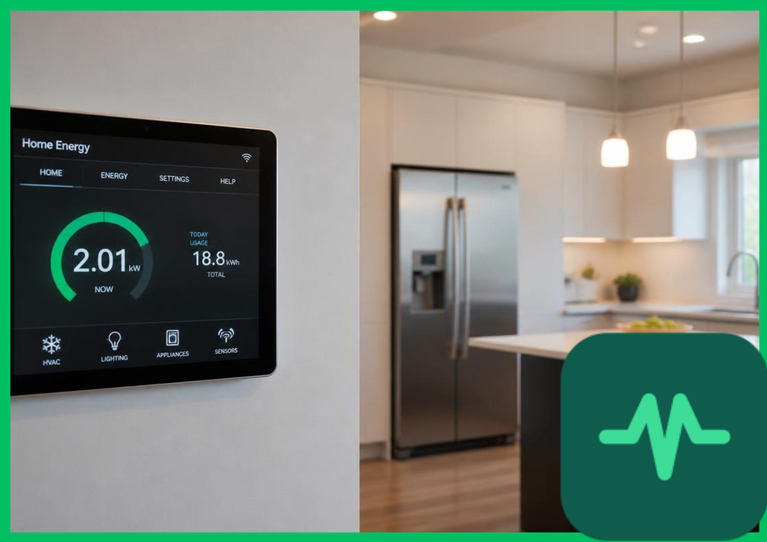
Sensors installed on your electrical panel provide real-time power tracking, measuring exactly how many kilowatts your home draws at any given second.
Instead of waiting for a monthly bill, you see live energy consumption data displayed clearly on your phone or tablet.
You know immediately if an appliance is malfunctioning, if a heater is running too long, or where standby power leaks are hiding.
The software translates raw electrical data into clear, actionable insights, giving you total visibility over your home's energy footprint.
Automated Load Shifting and Smart Optimization
Visibility is powerful, but automation is where energy management systems truly shine.
Manual energy saving is exhausting. No one wants to wake up at midnight to switch on a water heater or adjust thermostats room by room.
Home energy management systems handle those tasks automatically through automated load shifting and smart thermostat optimization.
When regional electricity demand peaks or clean renewable power becomes abundant, the smart hub communicates directly with your major appliances.
If your home features rooftop solar panels or a residential battery storage unit, the system coordinates power flows seamlessly.
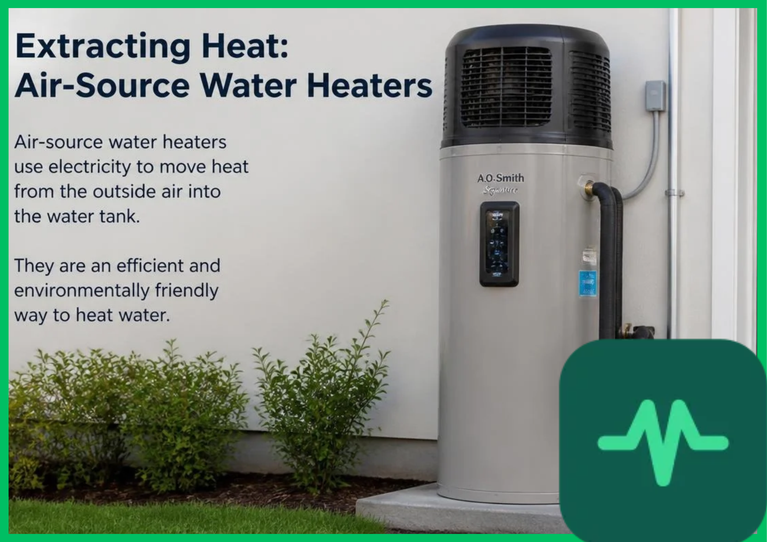
When the sun shines brightly at midday, the HEMS automatically triggers your electric vehicle charger and heats your domestic hot water tank, storing cheap solar energy for later use.
When evening arrives and grid electricity gets dirty and expensive, the smart hub draws power stored in your home battery or shifts heavy appliance cycles to off-peak hours.
Academic smart grid research shows that this automated coordination slashes household electricity waste while keeping indoor temperatures stable and comfortable.
Enhancing Residential Grid Resilience
The benefits of home energy management extend far beyond a single household budget.
When millions of homes optimize their power consumption automatically, they create a collective buffer that stabilizes the entire regional electrical grid.
Traditional grids struggle to balance volatile renewable energy sources like wind and solar.
When the wind drops suddenly or clouds cover the sun, power systems face immediate instability.
Smart homes equipped with energy management software act as flexible grid assets.
By scaling down non-essential residential loads for a few minutes or discharging stored battery power back into the local network during emergencies, connected homes prevent blackouts and support grid resilience.
According to IEA transition roadmaps, scaling up smart residential technology is an essential pillar of the global clean energy transition.
Bringing Peace of Mind to Modern Living
Adopting smart energy automation is not about living a restricted, uncomfortable life.
It is about living smarter.
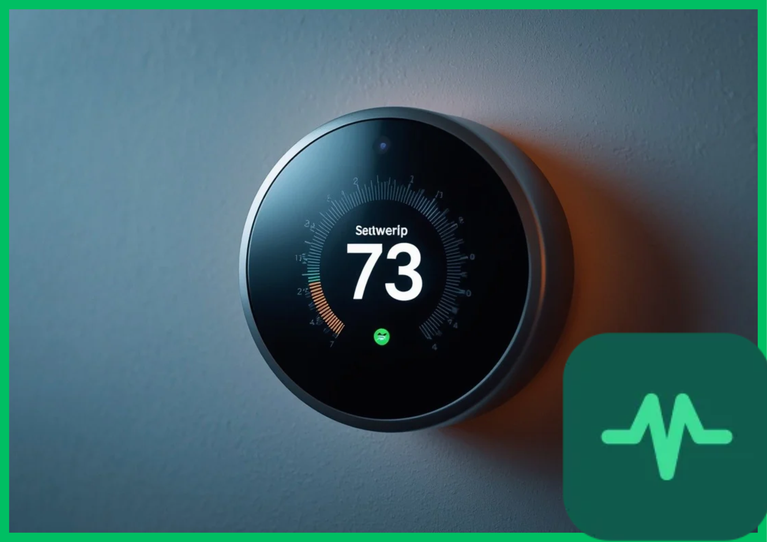
You set your desired indoor temperature—whether that is 21 degrees Celsius (approx. 70 degrees Fahrenheit) in winter or 24 degrees Celsius (approx. 75 degrees Fahrenheit) in summer—and let the system handle the rest behind the scenes.
Your home stays comfortable, your utility bills drop permanently, and your carbon footprint shrinks without requiring constant daily effort.
By embracing home energy management systems, we take control of our energy future.
We build efficient, resilient households that protect our wallets, support our communities, and honor our shared planet.
Comments (0)
Login to leave a comment.
No comments yet. Be the first to share your thoughts!