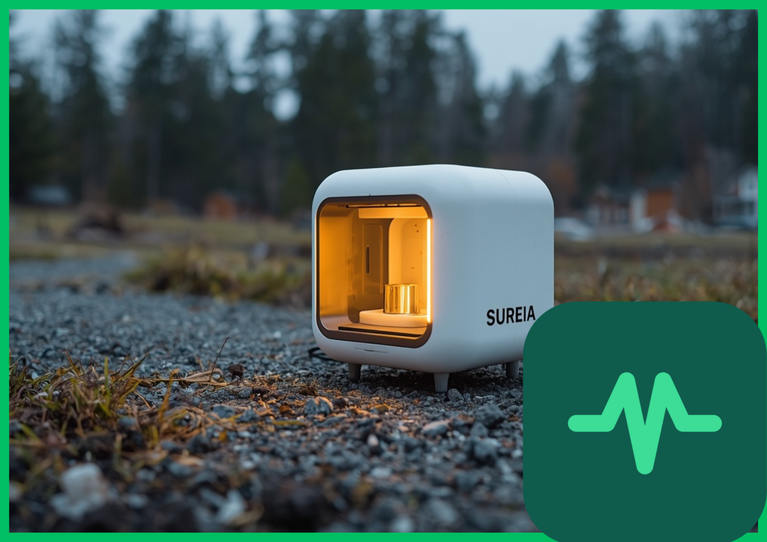
By the time you get home, it's not a small problem anymore.
This happens more often than people think. And it's exactly the kind of disaster a tiny, inexpensive device, smart water leak detector, can quietly prevent.
What a smart water leak detector actually is
It's small. Often just a puck-shaped sensor you place near a washing machine, water heater, or under a sink. When it senses moisture, it sends an alert straight to your phone.
That's it. No complicated setup. No monthly fee, in most cases.
Just a quiet little guard, watching for water where water shouldn't be.
Why this matters more than people realize
Water damage is sneaky. It doesn't announce itself. A slow leak can go unnoticed for days or even weeks, quietly soaking through flooring and walls the entire time.
By the time you actually see the damage, real harm has already been done. Repairs get expensive fast. Floors need replacing. Mold can set in.
A leak detector catches the problem in its first few minutes, not its last few days.
The real cost, and the real value
Most of these devices cost less than a nice dinner out. Some cost less than a single mid-range grocery run.
Compare that to the cost of repairing water damage. Even a modest leak can lead to repair bills far beyond what most people expect. Suddenly, that small sensor looks like one of the smartest purchases in the whole house.
Insurance companies have noticed this too. Some now offer discounts to homeowners who install leak detectors, because fewer damage claims means less risk for everyone.
Where to actually put them
You don't need one in every corner of your house. A few smart placements cover most of the real risk.
Near the water heater is a strong first choice, since heaters are common culprits.
Under the kitchen sink is another smart spot, especially if your home is older.
Behind the washing machine deserves one too. Hoses wear out quietly, and nobody checks them until something's already wrong.
If you have a basement, place one near the floor drain or sump pump area as well.
What happens when it detects a leak
The moment moisture touches the sensor, your phone buzzes with an alert. Some models go further, sounding a loud alarm right where the leak is happening, so anyone home immediately hears it.
More advanced systems can even shut off your main water valve automatically. That's a genuinely powerful feature if you travel often or if your home sits empty for long stretches.
A few honest limitations
These devices aren't perfect. They only detect water where the sensor physically sits. A leak happening somewhere else in the house won't trigger anything.
Battery-powered models also need occasional battery checks. A dead sensor can't warn you about anything.
And while they catch leaks fast, they can't fix the underlying plumbing problem. You'll still need a plumber for that part.
None of this takes away from their value. It just means they're one smart layer of protection, not a complete solution on their own.
Getting started is genuinely simple
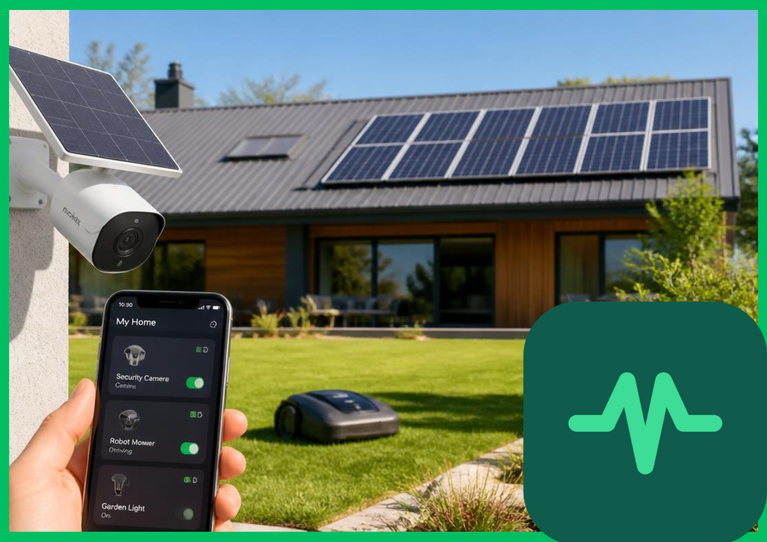
Most leak detectors connect through a basic home app. You place the sensor, connect it to your Wi-Fi, and you're done within minutes.
No tools. No electrician. No complicated setup guide required.
The honest bottom line
A smart water leak detector is one of the rare smart home devices that pays for itself the very first time it works. It doesn't need to prevent ten disasters. It only needs to prevent one.
For a small upfront cost, you get real peace of mind. And when it comes to your home, peace of mind is worth quite a lot.
Comments (0)
Login to leave a comment.
No comments yet. Be the first to share your thoughts!