Most people never think twice about this. Water goes in. Water flushes away. But this simple habit wastes an enormous amount of clean, treated water every single day. Greywater recycling systems step in to fix this quiet, ongoing problem.
In this guide, we will explore how greywater recycling systems actually work. We will look at the difference between clean wastewater and dangerous wastewater. We will also look at the clever filtering process that makes reused water safe again. By the end, you will understand why greywater recycling systems feel like such a smart upgrade for any water-conscious home.
Why Flushing Clean Water Feels So Wasteful
Let's start with the core problem. Homes use a huge amount of treated drinking water every day. Showers. Sinks. Washing machines. All of that water gets used once, then sent straight down the drain.
Toilets make up a big part of this waste. Flushing does not require pure drinking water. It just needs water clean enough to move waste safely through the pipes. Yet most homes use the exact same pristine water for both drinking and flushing.
This mismatch is exactly what greywater recycling systems were designed to fix. Instead of treating every drop of water the same way, these systems separate water by how clean it truly needs to be.
What Exactly Is Greywater?
So what is greywater, in simple terms? It is the gently used water that comes from showers, bathroom sinks, and washing machines. This water might carry a little soap, some hair, or bits of skin cells. But it stays far cleaner than water that touches a toilet.
This is different from something called blackwater. Blackwater comes from toilets and kitchen sinks. It carries real biological danger and must go straight to a treatment plant. Greywater recycling systems never touch blackwater at all. They focus only on the safer, lightly used water instead.
This distinction matters enormously. Because greywater starts out relatively clean, greywater recycling systems do not need heavy chemical treatment to make it safe again. A lighter, smarter filtering process gets the job done just fine.
How Greywater Recycling Systems Actually Work
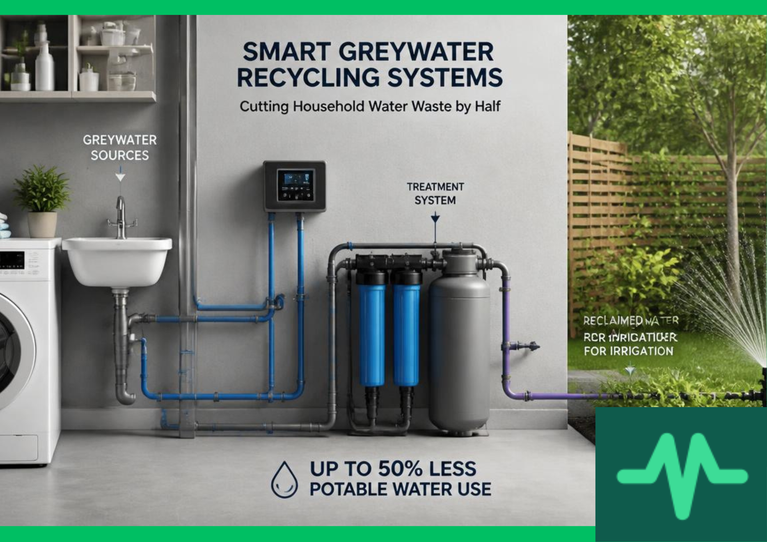
Let's walk through this process step by step. First, water from your shower or sink drains into a storage tank instead of leaving your home immediately. Inside this tank, heavier particles settle naturally toward the bottom.
Next, the water moves through a filter. This filter strips out hair, lint, and other small particles floating in the water. Greywater recycling systems rely on this step to physically clean the water before any further treatment happens.
After filtering, the water passes through a special chamber using ultraviolet light. This UV light destroys the DNA inside any remaining bacteria, making the water biologically safe again. At this point, greywater recycling systems have transformed simple shower water into something clean enough to reuse safely around the home.
Where the Recycled Water Actually Goes
Once treated, this recycled water does not go back into your drinking supply. Instead, greywater recycling systems send it to specific, appropriate uses. Toilet flushing is the most common destination. Since flushing never required pure drinking water in the first place, this feels like a perfect match.
Outdoor irrigation is another popular use. Many greywater recycling systems connect directly to sprinkler lines or drip irrigation setups, watering lawns and gardens using recycled water instead of fresh, treated tap water.
This targeted reuse feels genuinely smart. Greywater recycling systems do not try to make every drop drinkable again. They simply match each level of cleanliness to an appropriate, safe use, avoiding unnecessary treatment steps along the way.
Constant Monitoring for Safety
Safety remains a top priority throughout this entire process. Greywater recycling systems include digital sensors that constantly check water clarity and quality. If something seems off, the system can flag the issue immediately.
This ongoing monitoring gives homeowners real peace of mind. You are not just trusting a one-time filter and hoping for the best. Greywater recycling systems actively track water quality around the clock, ensuring every drop sent to your toilet or garden meets safe, reliable standards.
This careful oversight helps explain why greywater recycling systems have earned trust among environmentally conscious homeowners. The technology does not cut corners on safety, even while cutting significantly on water waste.
Just How Much Water Can This Save?
Numbers matter here, and greywater recycling systems deliver seriously impressive results. Homes using this technology can cut their total freshwater use by 40 to 50 percent. That is nearly half of a household's total water consumption, saved simply by reusing water that would otherwise go straight down the drain.
This kind of savings adds up fast, especially in regions facing frequent droughts or rising water costs. Greywater recycling systems offer real financial relief alongside genuine environmental benefit, making them appealing for practical reasons, not just eco-conscious ones.
For families watching their water bills climb every year, greywater recycling systems offer a real, measurable way to fight back. Less waste. Lower bills. A smaller overall environmental footprint, all happening quietly in the background of everyday life.
Why This Feels Like Such a Smart Fix
There is something genuinely satisfying about watching a system solve waste so elegantly. Greywater recycling systems do not ask you to change your daily habits at all. You still shower normally. You still wash your clothes normally. The system simply captures water that would have been wasted anyway.
This matters enormously as freshwater grows scarcer in many parts of the world. Every gallon reused through greywater recycling systems is a gallon that does not need to be pulled fresh from a reservoir or aquifer. Multiplied across thousands of homes, this impact becomes genuinely significant.
For homeowners who care about sustainability but do not want to sacrifice comfort, greywater recycling systems offer a real best-of-both-worlds solution. Nothing about your daily routine changes. The water simply works harder before it finally leaves your home for good.
Where This Technology Fits Best
Greywater recycling systems work especially well in larger households, where more showers and laundry loads mean more available greywater to capture and reuse each day. Bigger families see bigger savings, simply due to higher daily water use overall.
Homes in dry, drought-prone regions also benefit enormously. Areas facing water restrictions or rising utility costs find greywater recycling systems especially valuable, offering a practical way to reduce dependence on stressed local water supplies.
Even smaller homes can benefit though. Any household looking to lower water bills and reduce environmental impact stands to gain real value from installing greywater recycling systems, regardless of size or location.
The Cost Question Worth Understanding
Installing greywater recycling systems does require an upfront investment. Homeowners need to budget for the storage tank, filtration hardware, UV treatment chamber, and the plumbing work needed to separate greywater from blackwater lines.
However, this cost often pays off steadily over time. Lower water bills add up year after year, especially in regions where water costs keep rising due to scarcity. Many homeowners find that greywater recycling systems gradually pay for themselves through these consistent, ongoing savings.
Some regions also offer rebates or incentives for installing water-saving technology like this. Checking local programs before installation can help offset some of the initial cost, making greywater recycling systems even more financially attractive from the very start.
Common Questions About Greywater Recycling Systems
Is greywater safe to use for flushing toilets? Yes. After filtration and UV disinfection, greywater recycling systems produce water that is biologically safe for toilet flushing and outdoor irrigation.
How much water can greywater recycling systems actually save? Most systems reduce total household freshwater use by 40 to 50 percent, capturing water from showers, sinks, and washing machines for reuse.
Do greywater recycling systems use harsh chemicals? No. Most modern systems rely on physical filtration and UV light disinfection instead of chemicals like chlorine, keeping the process clean and low-maintenance.
Can greywater recycling systems work in any home? Most homes can install this technology, though larger households and homes in dry regions typically see the greatest water savings and financial benefit.
What Installation Actually Involves
Setting up greywater recycling systems typically requires a licensed plumber familiar with dual plumbing setups. This is not usually a simple do-it-yourself project, since it involves separating greywater lines from the home's existing blackwater plumbing.
Most installations take a few days to complete, depending on the size of the home and the complexity of the existing plumbing layout. Newer homes built with dual plumbing in mind often install greywater recycling systems more easily, since the separate pipe network is already partially in place.
For older homes, retrofitting greywater recycling systems can take a bit more work, since walls or floors may need to be opened up to run new plumbing lines. Still, many homeowners find this one-time installation effort well worth the long-term water savings that follow.
Final Thoughts
Greywater recycling systems prove that real sustainability does not always require major lifestyle changes. By quietly capturing and treating water that would otherwise go to waste, this technology turns an everyday shower into a genuine resource, rather than a one-time use headed straight for the drain.
From careful filtration to UV disinfection, every part of greywater recycling systems reflects thoughtful, careful engineering. This is not a complicated lifestyle overhaul. It is a smart, automated upgrade working quietly behind the walls of your home.
As water scarcity concerns keep growing worldwide, greywater recycling systems offer a genuinely practical solution. They give homeowners a real way to cut waste, lower bills, and support broader water conservation efforts, all without asking anyone to change their daily routine.
In the end, greywater recycling systems remind us that smart design does not always mean using less. Sometimes, it simply means using what we already have more wisely, one shower and one flush at a time.



Comments (0)
Login to leave a comment.
No comments yet. Be the first to share your thoughts!