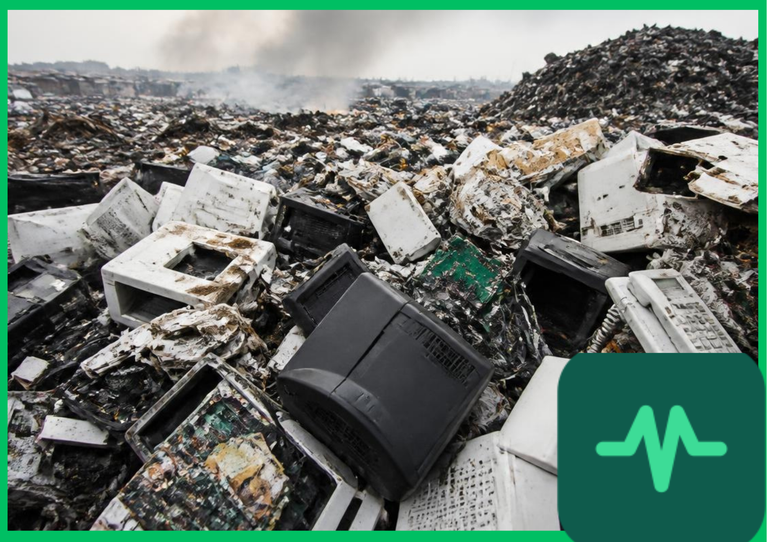
Technology genuinely makes life easier. It also creates real waste, often faster than people realize. People replace phones every couple of years. Computers become outdated quickly. Televisions get upgraded for newer models. Old chargers pile up in drawers. Broken appliances get discarded without much thought.
Together, all of this creates something called e-waste, short for electronic waste. As the volume of discarded electronics keeps growing worldwide, e-waste recycling becomes more important every single year.
What Is E-Waste?
E-waste covers a wide range of discarded electrical and electronic products, including:
- Mobile phones
- Computers
- Televisions
- Printers
- Refrigerators
- Small appliances
- Cables
- Electronic accessories
Some of these items are genuinely small. Others are quite large. All of them, though, contain materials that may hold real value once recovered properly.
Valuable Materials Inside Electronics
Electronic devices contain real metals and other materials worth recovering. Some can be reclaimed and reused directly. Copper holds genuine value. Aluminum holds genuine value too. Gold and other specialized materials show up in certain electronics as well, often in surprisingly small but meaningful amounts.
Recovering these materials reduces the need for entirely new mining and extraction, easing pressure on the planet's limited resources.
Why E-Waste Is Difficult
Electronics are genuinely complex machines under the surface. A single device may contain many different materials layered together. Plastic gets combined tightly with metal. Electronic components can be genuinely difficult to separate cleanly. Batteries often require special, careful handling too.
Because of all this complexity, recycling electronics properly requires specialized processes, not just tossing them into a regular bin and hoping for the best.
Why You Should Not Throw Electronics in Ordinary Waste
Check your local disposal rules before tossing any electronic device. Many communities maintain special collection systems specifically for electronic products.
Using these systems helps ensure valuable materials actually get recovered properly, rather than lost entirely. It also reduces the real risk of inappropriate handling, which can create genuine environmental or safety problems down the line.
What Happens at a Recycling Facility?
The exact process varies by facility and region. Generally, though, electronics get collected first, then sorted by type. They may then be dismantled carefully by hand or machine.
Different materials get separated from each other during this process. Some components get reused directly. Other materials get processed further for recovery. The overall objective throughout is keeping as much useful material in circulation as possible.
Repair Before Recycling
Recycling matters, no question. Repair, though, can sometimes deliver even better results. If a phone just needs a new battery, repairing it can meaningfully extend its useful life for years.
If a laptop needs one replacement component, it may not need to be discarded entirely at all. Keeping products in active use, rather than replacing them prematurely, preserves far more of their original value.
Refurbished Electronics
Refurbishment offers another genuinely useful path. A used device gets tested thoroughly first. Faulty components get replaced as needed. The software gets updated to current standards.
The device can then get sold to another consumer at a lower price point. This directly reduces demand for completely new products, stretching existing resources further than a single owner ever could alone.
E-Waste and the Circular Economy
E-waste connects closely to the broader idea of the circular economy. The goal throughout is keeping valuable materials in use for as long as possible.
Instead of simply throwing away an old device, consider this sequence instead:
Repair → Reuse → Refurbish → Recycle
This approach genuinely reduces waste at every single stage, rather than jumping straight from "old" to "trash."
The Role of Manufacturers
Manufacturers hold real power to make recycling easier from the start. Products can be designed for easier disassembly. Batteries can be made easier to replace without specialized tools. Companies can establish take-back programs for their own old products directly.
Clear, accessible information also helps consumers dispose of products correctly the first time, rather than guessing at the right process.
Consumers Have Power
Consumers genuinely influence markets through their everyday purchasing choices, more than most people realize. Buying durable products sends a real signal to manufacturers. Repairing products instead of replacing them sends another clear signal.
Choosing refurbished electronics over new ones supports an entirely different business model too, one built around reuse rather than constant replacement. Small individual choices, multiplied across millions of consumers, genuinely influence larger industry trends over time.
The Emotional Cost of Waste
There's something genuinely uncomfortable about watching perfectly useful technology become waste for no good reason. A phone that once felt exciting and new can quickly become forgotten, tossed in a drawer, then eventually the trash.
Yet inside that device sit materials that took real time, real energy, and real resources to obtain in the first place. That's exactly why better product life cycles matter so much, beyond just the environmental statistics.
EcoGreenPulse View
E-waste recycling isn't simply about managing waste. It's genuinely about managing resources wisely.
Every phone, computer, and appliance contains real materials worth something. If those materials get properly recovered, they can potentially become part of an entirely new product down the line. That's a genuinely powerful idea, once you really sit with it.
Conclusion
The technology we use today will eventually become tomorrow's waste, whether we like it or not. The real challenge lies in deciding what happens next, once that transition arrives.
Repair can extend a product's life meaningfully. Reuse can give a product an entirely new owner. Refurbishment can create another full cycle of genuine use. Recycling can recover valuable materials that would otherwise be lost forever.
Together, these approaches can build a genuinely smarter, more sustainable technology economy, one device at a time.
Sources: United Nations Environment Programme resources on electronic waste and circularity; International Energy Agency resources on critical minerals and clean-energy supply chains.

Comments (0)
Login to leave a comment.
No comments yet. Be the first to share your thoughts!