
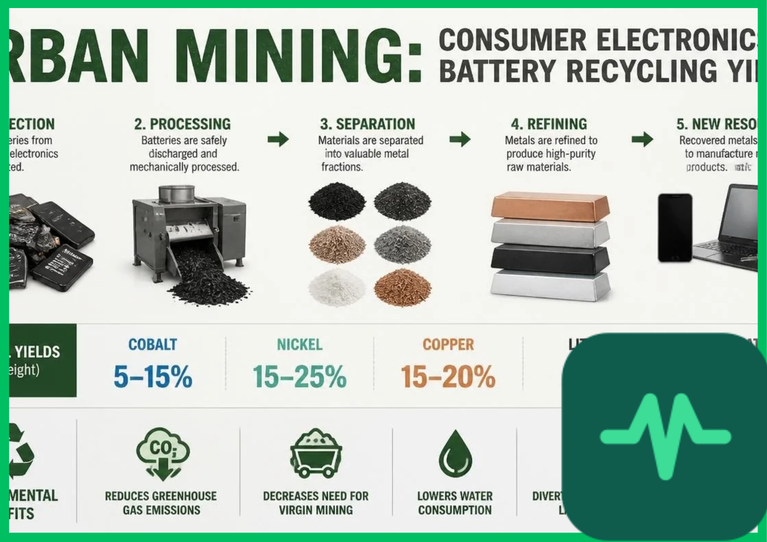
Mechanical Pre-Treatment and Black Mass Separation
The foundational initial phase of consumer electronics battery recycling involves manual dismantling, cell sorting, and mechanical size reduction to produce an enriched intermediate powder known as "black mass." Because small portable electronic devices integrate diverse battery formats—such as lithium cobalt oxide ( [LCO]) in smartphones and lithium nickel manganese cobalt oxide (
 ) or lithium iron phosphate (
 ) in laptops—pre-treatment sorting is critical for optimizing downstream chemical recovery yields.
Sorted battery cells are discharged in saline solution baths or electrical discharge circuits to eliminate residual voltage and mitigate thermal runaway risks during mechanical processing. Once discharged, cells enter industrial shredders or hammer mills operating under an inert nitrogen gas ( ) atmosphere or wet chemical spray systems to suppress volatile organic solvent ignition. The mechanical shredding output is separated via multi-stage vibrating screens, magnetic separation, and air classification into distinct material fractions:
- Metallic Casings: Comprising steel outer shells, aluminum structural foils, and copper current collector ribbons recovered via eddy current separators.
- Polymer Separators and Binders: Lightweight plastics, polyethylene, and fluoropolymer binders separated via air cyclones and electrostatic separation.
- Black Mass: A finely ground powder containing concentrated transition metal oxides from cathode active materials and amorphous carbon from graphite anode coatings.
Hydrometallurgical Leaching Kinetics and Acid Dissolution
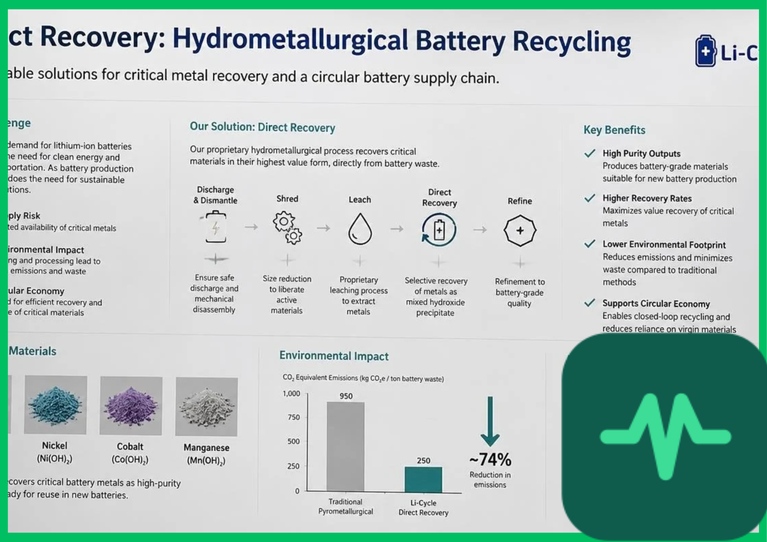
To extract high-purity transition metals from complex black mass powders derived from consumer electronics, industrial recyclers deploy hydrometallurgical refining circuits. Hydrometallurgy dissolves black mass powders in aqueous mineral acid solutions, separating individual metal ions via selective chemical precipitation, solvent extraction (SX), and ion exchange resins.
The leaching process dissolves transition metal oxides into ionic solution by reacting black mass with sulfuric acid ( ) or hydrochloric acid (
 ) in the presence of a reducing agent, such as hydrogen peroxide (
 ) or sulfur dioxide (
 ). For LCO batteries common in older consumer electronics, the reduction-oxidation reaction dissolving trivalent cobalt (
 ) into soluble divalent cobalt (
 ) is expressed as:

Following solid-liquid filtration to remove undissolved graphite residues and insoluble silica, the pregnant leach solution (PLS) undergoes multi-stage solvent extraction to isolate individual metal ions with high selectivity.
Technical Data Specifications of Consumer Battery Recycling Parameters
| Consumer Battery Recycling Parameter | Engineering Specification Standard |
|---|---|
| Global Consumer Device Collection Rate |  of total discarded portable electronics |
| Black Mass Specific Surface Area |  to  fine powder particle sizing |
| Hydrometallurgical Leaching Reagents | Sulfuric acid ( ) with hydrogen peroxide (  ) |
| Pyrometallurgical Smelting Temperature |  to  (  to  ) |
| Cobalt and Nickel Recovery Yield |  via solvent extraction and precipitation |
| Lithium Recovery Efficiency |  via evaporative crystallization or precipitation |
| Recovered Metal Purity Threshold |  battery-grade metal salt purity |
Solvent Extraction and Cathode Metal Recovery
Purifying the pregnant leach solution into battery-grade metal salts requires precise solvent extraction (SX) cascades utilizing organic extractants (such as D2EHPA or Cyanex 272) diluted in kerosene. By adjusting the pH of the aqueous solution incrementally across multi-stage extraction columns, specific metal ions bond selectively with the organic phase while impurities remain in the aqueous raffinate.
Iron, aluminum, and copper impurities are extracted and precipitated first at lower pH ranges (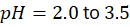 ). Subsequently, nickel and cobalt are extracted into separate organic streams at elevated pH levels (
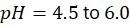 ) and stripped back into purified aqueous sulfate solutions. Finally, lithium is precipitated from the remaining raffinate solution as battery-grade lithium carbonate (
 ) or lithium hydroxide monohydrate (
 ) via sodium carbonate addition or high-temperature evaporative crystallization. These recovered metal salts match the chemical purity benchmarks of virgin mining products, enabling direct re-injection into cathode manufacturing synthesis plants.
Pyrometallurgical Smelting Alternatives and Thermal Limitations
While hydrometallurgical leaching dominates small-format consumer electronics recycling due to high lithium recovery rates, some industrial facilities utilize pyrometallurgical smelting as an initial pre-treatment step. Pyrometallurgical processing feeds shredded consumer batteries directly into electric arc furnaces or plasma smelting reactors operating at high thermal thresholds ( to
 [
 to
 ]).
In the pyrometallurgical furnace, transition metals melt into a dense liquid alloy (bullion) containing high concentrations of cobalt, nickel, and copper, which are recovered easily. However, lithium, aluminum, and silicon report to the slag phase and are historically difficult and energy-intensive to reclaim. Consequently, modern urban mining facilities prioritize hydrometallurgical direct leaching to maximize lithium recovery yields from portable consumer electronics.
Collection Logistics and Urban Mining Economic Realities
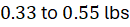
The primary bottleneck constraining consumer electronics recycling yields is not chemical processing inefficiency, but rather collection logistics and consumer hoarding behavior. Small portable electronic devices—ranging from smartphones weighing  to
 (
 ) to wireless earbuds containing sub-gram micro-cells—are dispersed globally across billions of households.
Because consumers frequently retain obsolete devices in domestic storage rather than returning them to municipal e-waste collection channels, total recovery volumes remain a fraction of potential supply. Scaling urban mining requires implementing mandatory producer responsibility frameworks, dedicated retail take-back kiosks, and automated optical sorting robotics in e-waste processing facilities. Capturing these dispersed small-format batteries provides an essential secondary source of critical minerals, reducing primary mining reliance.
The Final Take
Mastering consumer electronics lithium ion battery recycling yields transforms urban mining operations by converting discarded portable devices into high-purity cathode precursors. Citing UNEP circular economy data and IEA critical mineral assessments, combining mechanical black mass separation with hydrometallurgical acid leaching and solvent extraction achieves recovery efficiencies exceeding 90% for lithium, cobalt, and nickel. By improving e-waste collection logistics and scaling hydrometallurgical refining capacity, the electronics and clean energy sectors establish a fully circular supply chain.

Comments (0)
Login to leave a comment.
No comments yet. Be the first to share your thoughts!