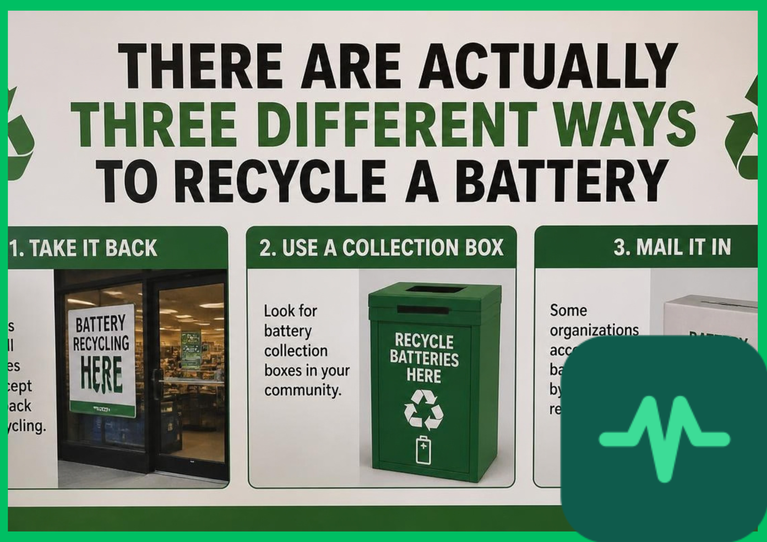
The first method, using intense heat
The oldest, most established approach uses very high temperatures to break batteries down, essentially melting components to separate and recover valuable metals from everything else. This method has been used in metal recycling generally for a very long time, well before batteries specifically became such a significant recycling priority.
This approach is genuinely reliable and can handle a wide variety of battery types without needing extremely precise sorting beforehand. The honest tradeoff involves the considerable energy required to generate this intense heat, along with some genuine loss of certain materials that don't survive the high-temperature process as cleanly as others.
The second method, using chemical processes
A different approach uses chemical solutions instead of intense heat to dissolve and separate battery materials. This method can often achieve considerably higher recovery rates for certain valuable metals compared to the heat-based approach, since it avoids some of the material loss that can occur under extreme heat.
The honest tradeoff here involves using various chemical processes, which require careful, responsible handling and disposal of the chemicals themselves, adding a different kind of complexity compared to the heat-based method's more straightforward, if energy-intensive, general approach.
The third, newer method, keeping materials genuinely intact
A more recently developed approach tries to avoid breaking battery materials down chemically or through intense heat at all. Instead, it aims to keep valuable battery components largely intact, directly repairing or restoring them for reuse rather than fully breaking them down into raw materials first.
This approach genuinely offers the potential for higher overall value recovery, since keeping materials in their more complex, already-processed form typically retains more value than reducing everything back to basic raw material. The honest challenge involves this method still being considerably newer and less proven at large commercial scale compared to the two more established approaches.
Why no single method has become the obviously universal best choice
Each of these three approaches offers genuinely different tradeoffs around cost, environmental impact, and how much value actually gets recovered from a given battery. This is exactly why all three continue being used and researched simultaneously, rather than one clearly superior method replacing the other two entirely.
Different battery types, different existing infrastructure, and different regional priorities all genuinely affect which specific method makes the most practical sense in any given recycling situation.
Why researchers keep working to improve all three methods
Ongoing research continues refining each of these approaches, working to reduce energy use in the heat-based method, improve chemical efficiency and safety in the chemical-based method, and scale up the newer, materials-preserving method toward genuine commercial viability.
This parallel improvement across multiple methods reflects healthy, genuine scientific and industrial competition, with different research teams and companies exploring different paths toward the shared, common goal of more efficient, responsible battery recycling overall.
Why this matters for how efficiently materials actually get recovered
The specific recycling method used genuinely affects how much valuable material ultimately gets recovered from any given batch of batteries, along with the overall environmental footprint of that specific recycling process itself.
As these methods continue improving, overall recycling efficiency across the whole industry should keep increasing too, supporting the broader circular economy goals discussed extensively elsewhere in current battery industry research and reporting.
Why battery sorting matters regardless of which method gets used
Before any of these three methods can work effectively, batteries generally need reasonably accurate sorting and preparation. Mixed, poorly sorted batteries can complicate any of these recycling approaches, regardless of which specific method a facility primarily uses.
This connects directly to broader discussions about battery disassembly and design for future recyclability discussed elsewhere, since better initial sorting and preparation genuinely supports more effective recycling outcomes across all three of these established and emerging methods.
Why understanding this diversity genuinely matters
When you read about battery recycling progress or new recycling facilities opening, understanding that multiple genuinely different methods exist helps make sense of why different companies and regions might report different recovery rates or environmental impacts for what sounds like the same basic overall activity.
This isn't confusing or contradictory information. It reflects the genuine, honest reality that battery recycling involves real, meaningful technical choices, not one single, standardized universal process applied identically everywhere.
Why continued diversity in these approaches benefits the whole industry
Having multiple viable recycling methods available creates genuine resilience and flexibility within the broader battery recycling industry, allowing different facilities to choose whichever approach best suits their specific local circumstances, available battery types, and regional priorities.
This diversity also continues driving healthy competition and innovation, as each method's ongoing improvement creates pressure on the others to keep advancing too, benefiting the whole industry's collective progress over time.
What this means for the future of battery recycling generally
As all three methods continue maturing and improving, expect overall battery recycling efficiency and capacity to keep growing substantially, supporting the broader circular economy vision for batteries discussed extensively throughout current industry research and analysis.
The bottom line
Battery recycling isn't one single, uniform process. It involves at least three genuinely different established and emerging methods, using intense heat, chemical processes, or careful material preservation, each offering its own real tradeoffs around cost, efficiency, and environmental impact.
Understanding this genuine diversity helps make sense of ongoing battery recycling news and progress, recognizing that continued improvement across all three approaches, rather than one single method winning out entirely, will likely drive the industry's genuine, sustained progress toward a more complete circular economy for batteries.


Comments (0)
Login to leave a comment.
No comments yet. Be the first to share your thoughts!