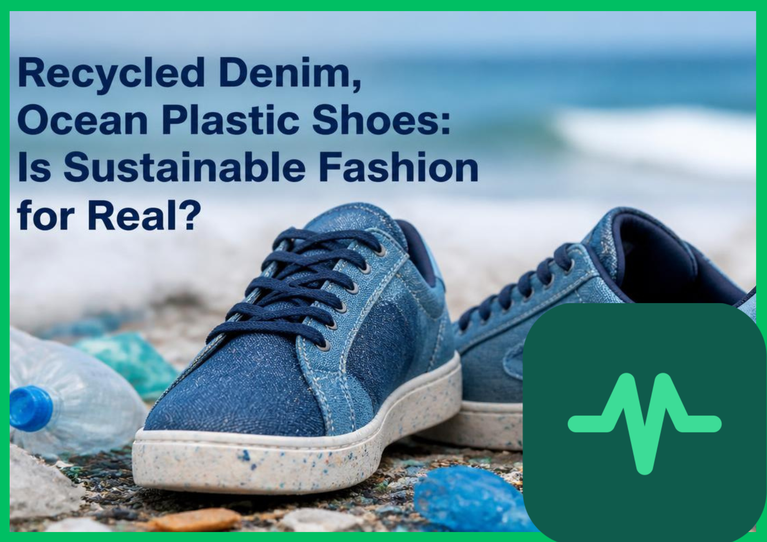
You've seen the ads. Sneakers made from recycled ocean plastic. Jeans crafted from old, discarded denim. It sounds genuinely inspiring, turning waste into wearable products. But is any of this actually meaningful, or is it mostly clever marketing?
Let's talk honestly about whether this trend genuinely delivers real environmental benefit, or whether it's more style than substance.
How Ocean Plastic Actually Becomes Shoes
The genuine process is more complex than the marketing often suggests. Plastic waste, sometimes collected from ocean cleanup efforts, sometimes from coastal areas at risk of entering the ocean, gets collected, cleaned, and processed into usable material.
This recovered plastic then gets converted into yarn or fabric, which manufacturers use to create shoe components, often combined with other materials for structure and durability.
Is this Genuinely Better than Regular Shoe Materials?
Here's the honest, nuanced answer. Using recycled ocean plastic genuinely does something valuable, it gives real, existing waste a new purpose, rather than requiring entirely new petroleum extraction for virgin plastic production.
That said, it's genuinely worth understanding this isn't a complete solution to ocean plastic pollution on its own. The scale of shoes produced this way remains genuinely small compared to the massive volume of plastic waste actually entering oceans every year.
The Honest Question of Real Impact vs. Marketing
Let's be fair and honest here. Some companies genuinely invest serious effort into meaningful ocean plastic collection and recycling programs. Others use "ocean plastic" language more loosely, perhaps using only a small percentage of genuinely recovered ocean plastic mixed with substantial amounts of regular recycled or virgin plastic.
This distinction genuinely matters. Look for companies that provide specific, transparent details about their actual sourcing and recycling process, rather than vague, feel-good marketing claims without real substance behind them.
Why Recycled Denim Tells a Genuinely Similar Story
Recycled denim jeans work on a genuinely similar principle, taking old, discarded denim and processing it into new fabric or fiber for new garments, reducing demand for entirely new cotton production.
Cotton farming, worth understanding honestly, uses genuinely significant amounts of water and often pesticides. Recycling existing denim reduces this agricultural burden, offering real, meaningful environmental benefit when done genuinely and at real scale.
The Genuine Challenge of Recycling Mixed Materials
Here's an honest technical complication worth understanding. A lot of clothing, including denim, contains mixed materials, cotton blended with polyester or elastane, for instance.
These mixed-material garments are genuinely harder to recycle effectively than single-material items. Some recycled denim products genuinely only use a portion of recycled material, blended with new material, since achieving 100% recycled content while maintaining product quality remains a genuine technical challenge.
Why Price Often Reveals Something Genuine
Here's a practical, honest tip worth understanding. Products made with genuinely significant recycled material investment often cost more than conventional alternatives, reflecting the real additional cost of collection and specialized processing.
Extremely cheap products marketed heavily around sustainability claims deserve genuinely more scrutiny, since meaningful recycled material sourcing and processing rarely comes at rock-bottom prices.
What to Genuinely Look For When Shopping
If sustainable fashion genuinely matters to you, look for specific, transparent information rather than vague marketing language. What percentage of the product is genuinely recycled material? Where does that material actually come from? Does the company provide real, verifiable details, or just feel-good phrases?
Companies genuinely committed to this work typically provide specific, detailed information, since they have real substance to share, not just marketing polish to hide behind.
Why this Trend still Represents Genuine, Meaningful Progress
Despite honest complications and some genuine marketing exaggeration in parts of this industry, the overall trend toward recycled materials in fashion represents real, meaningful progress worth genuinely celebrating, even while maintaining healthy skepticism about specific claims.
Every garment made from recycled material, even imperfectly, represents demand shifted away from entirely new, virgin material production. That shift genuinely matters, even if it's not a complete, singular solution to fashion's broader environmental challenges.
Why this Connects to the Bigger Circular Fashion Story
This trend genuinely connects to the broader circular fashion conversation we explored earlier. Using recycled materials is one meaningful piece of a much larger puzzle, alongside repair, resale, and genuinely reducing overall consumption.
No single approach solves fashion's environmental challenges alone. Recycled materials represent one real, valuable piece within this genuinely larger, more complex picture.
How to Support this Trend Without Being Fooled
Support companies that provide real, specific transparency about their sourcing and processes. Be genuinely willing to pay a bit more for products that genuinely invest in meaningful recycled material collection and processing.
And remember honestly, buying fewer items overall, choosing quality and durability over sheer volume, genuinely matters more environmentally than simply choosing recycled material for every single new purchase you make.
Common Questions About Ocean Plastic and Recycled Fashion
Do shoes made from ocean plastic actually help clean the oceans?
They help in a small, meaningful way by using recovered plastic, though the scale remains genuinely small compared to the total volume of ocean plastic pollution.
How can I tell if a company's ocean plastic claims are genuine?
Look for specific, transparent details about sourcing and recycled material percentage, rather than vague marketing language without real substance.
Is recycled denim genuinely better for the environment than new denim?
Yes, generally, since it reduces demand for new cotton farming, which uses genuinely significant water and often pesticides.
Why do recycled material products often cost more?
Meaningful collection and specialized processing of recycled materials genuinely costs more than using cheap, virgin materials, reflecting real additional expense.
Final Thoughts
Ocean plastic shoes and recycled denim genuinely represent real, meaningful progress in sustainable fashion, even while some marketing around this trend deserves genuine, healthy skepticism.
Look past the feel-good marketing language toward specific, transparent details before assuming any product's sustainability claims are fully genuine. When companies do the work honestly, though, this trend represents real, tangible progress worth genuinely supporting with your purchasing choices.
Comments (0)
Login to leave a comment.
No comments yet. Be the first to share your thoughts!