Behind that clean exterior, however, lies a heavy reliance on finite earthly resources.
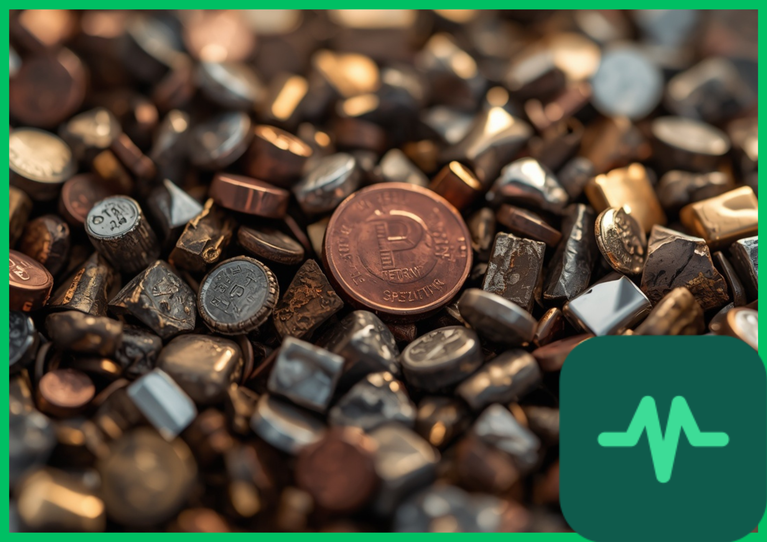
Building lithium-ion batteries requires critical minerals like lithium, cobalt, nickel, and manganese. Mining those elements from virgin ores demands intensive energy, disrupts natural landscapes, and generates substantial carbon footprints.
When those batteries eventually reach the end of their driving lifespan, what happens to them?
For years, people worried that retired electric vehicle batteries would become toxic waste, piling up in landfills and wasting irreplaceable minerals.
That narrative is changing dramatically.
According to critical mineral reports from the International Energy Agency (IEA), resource efficiency frameworks from the United Nations Environment Programme (UNEP), and academic metallurgical research, advanced recycling is closing the loop.
Modern hydrometallurgical recycling processes recover high-purity battery metals safely and efficiently, transforming industrial waste into a continuous secondary supply chain.
Here is how modern battery recycling works, why chemical extraction outperforms old smelting methods, and how closed-loop recovery secures a sustainable future for clean transport.
The Challenge of Spent Battery Packs
To understand why closed-loop recycling is a breakthrough, you have to look at the physical complexity of an electric vehicle battery pack.
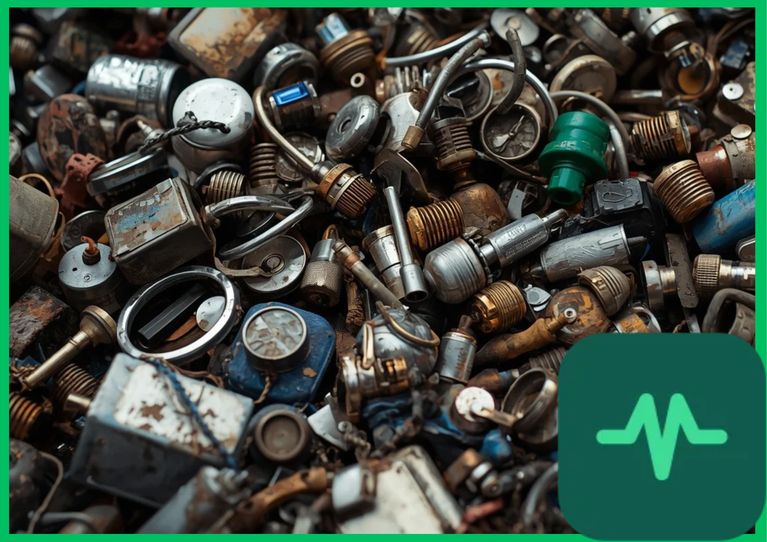
An EV battery is not a simple block of metal. It is a tightly engineered assembly containing thousands of individual cells, cooling channels, wiring harnesses, electronic management boards, and heavy structural housings.
Separating those mixed materials without damaging delicate cell structures or releasing hazardous compounds requires sophisticated industrial engineering.
Historically, industrial recycling relied heavily on pyrometallurgy—a process that involves smelting whole battery modules in massive high-temperature furnaces.
While smelting is technologically mature, it burns up valuable plastic binders and graphite, and often loses critical lithium in the slag waste.
The global clean energy transition demanded a smarter, more precise approach.
We needed a method that could reclaim high-purity critical minerals without destroying their chemical value.
What Is Hydrometallurgical Recycling?
Hydrometallurgical recycling represents a cleaner, chemistry-driven approach to mineral recovery.
Instead of melting batteries down with extreme heat, hydrometallurgical facilities use liquid chemical solutions to dissolve and extract valuable metals.
The process begins with mechanical dismantling and shredding.
Specialized recycling plants shred retired battery modules safely in controlled environments, separating out aluminum casings, copper foils, and plastics.
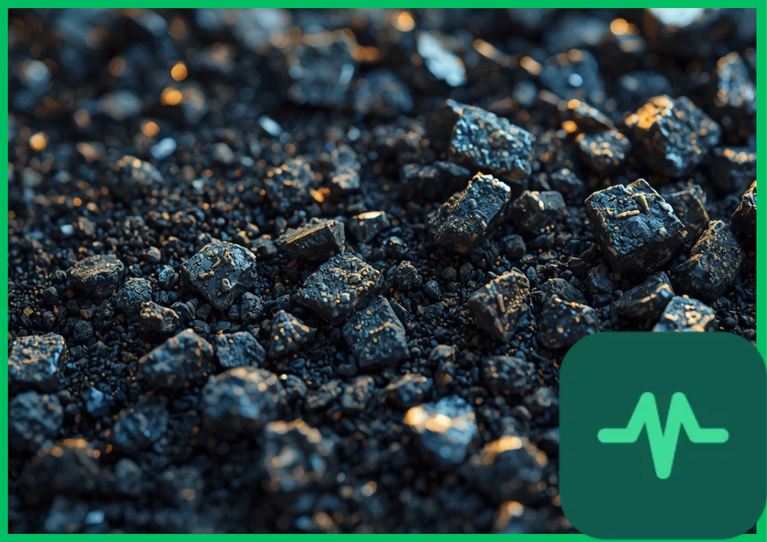
The core active material—a dark, powdery mixture of cathode and anode components known as black mass—is isolated for chemical processing.
Next comes the leaching stage.
Recyclers submerge the black mass in aqueous acid solutions, frequently using sulfuric acid combined with mild reducing agents.
The acid bath dissolves the solid metals, turning them into a liquid solution rich in dissolved lithium, cobalt, nickel, and manganese.
Precision Extraction and Purification
Once the valuable elements are dissolved into liquid form, the facility begins the separation stage.
Using advanced techniques like solvent extraction, selective precipitation, and electrochemical deposition, chemical engineers isolate each individual element.
By carefully adjusting the pH balance and temperature of the liquid solution, specific metals drop out of the solution in pure form.
Cobalt separates into high-purity crystals. Nickel and manganese precipitate out safely. Advanced iterations even recover high-purity lithium carbonate or lithium hydroxide.
Academic metallurgical studies and IEA tracking data confirm that modern hydrometallurgical processes recover over 95% of the critical metals locked inside spent batteries.
These recovered elements match the exact chemical purity of newly mined virgin ores.
Feeding the Circular Economy
The true power of hydrometallurgical recycling lies in creating a closed-loop industrial ecosystem.
Recovered lithium, cobalt, and nickel do not get downgraded into lower-tier industrial uses.
They flow straight back into battery manufacturing plants, where chemical refiners turn them into brand-new cathode precursors for next-generation electric vehicles.
According to UNEP circular economy assessments, manufacturing new battery cells from recycled materials consumes significantly less energy and generates a fraction of the greenhouse gas emissions compared to extracting virgin ores through traditional mining.
By reusing the materials we already have in circulation, we insulate global supply chains from price volatility, reduce geopolitical resource tensions, and protect natural ecosystems from further disruption.
Powering a Sustainable Industrial Future
Recycling electric vehicle batteries proves that modern industry can learn to mimic the zero-waste efficiency of natural ecosystems.
We are moving away from the linear take-make-waste model that defined the fossil fuel era.
Through advanced hydrometallurgical recovery, closed-loop manufacturing, and material traceability, retired batteries become the valuable foundation of tomorrow's clean technology.
We protect our planet, conserve finite earth resources, and ensure that electric mobility remains truly sustainable from the ground up.

Comments (0)
Login to leave a comment.
No comments yet. Be the first to share your thoughts!