Solar parks sit completed under clear blue skies, gleaming with photovoltaic panels ready to generate power.
Yet, none of that clean electricity is reaching homes or businesses.
Thousands of megawatts of zero-emission power sit idle, trapped behind closed switches.
Across the globe, clean energy developers face a frustrating obstacle known as the grid interconnection queue backlog.
Billions of dollars in renewable projects are ready to build, but they are stuck waiting years for approval to connect to local power grids.
Here is why transmission bottlenecks are slowing down the clean energy transition and how modern infrastructure offers a solution.
The Legacy Design of Power Networks
To understand why clean energy projects face connection delays, you have to look at how electrical grids were originally designed.
Traditional power networks were built around centralized fossil-fuel plants. A few dozen massive coal or gas stations connected directly to high-voltage transmission lines leading into major cities.
The grid was built for one-way traffic from a handful of predictable points.
Today, clean energy generation looks entirely different.
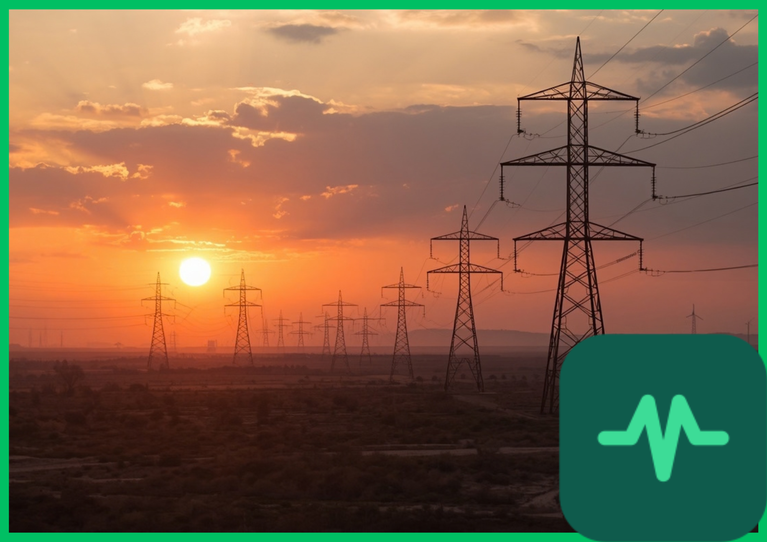
Thousands of independent wind and solar developers want to plug clean energy projects into the grid wherever natural resources are strongest—often in remote rural regions far away from urban centers.
Legacy transmission lines lack the physical capacity to carry power out of those remote regions.
When developers apply to connect new projects, utility operators evaluate the network and realize the local transmission lines will overload.
The projects are forced into massive, multi-year engineering study queues while waiting for transmission upgrades.
Modernizing Transmission and Interconnection Rules
Clearing the interconnection backlog requires urgent infrastructure investment and regulatory reform.
Governments and grid operators are adopting advanced grid-enhancing technologies, such as dynamic line rating systems that monitor weather conditions in real time to push extra electrical current safely through existing transmission wires.
At the same time, regional planners are investing heavily in high-voltage direct current transmission corridors to move clean power efficiently across vast geographic distances.
Reforming outdated interconnection rules—prioritizing projects that are shovel-ready and upgrading study processes—helps streamline administrative delays.
Powering the Clean Energy Future
Building solar panels and wind turbines is only half the challenge of the clean energy transition.
We must build the transmission highways required to carry that power where it is needed most.
Clearing the grid interconnection bottleneck ensures that clean energy moves swiftly from generation sites to everyday homes, securing a reliable and resilient power future for all.

Comments (0)
Login to leave a comment.
No comments yet. Be the first to share your thoughts!