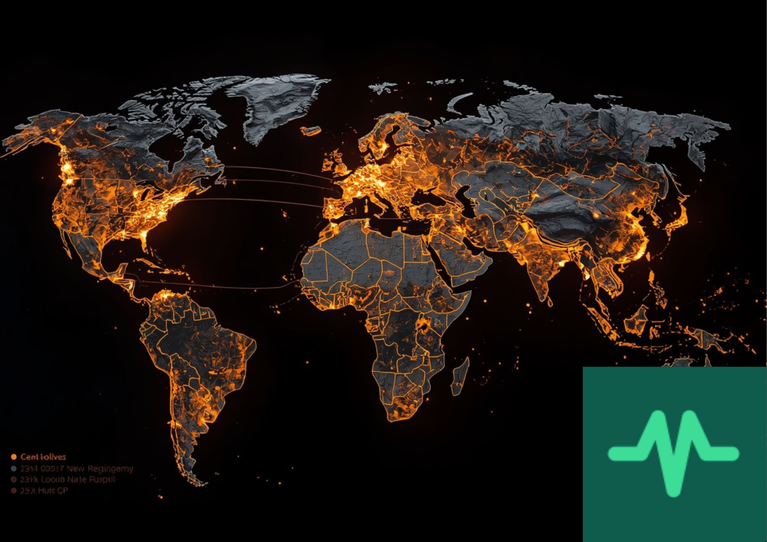
This shift is happening fast. Electric cars need batteries. Wind turbines need magnets. Power grids need wiring and storage. All of this depends on a small list of specific elements. Lithium. Cobalt. Nickel. Rare earth metals. These are the new critical minerals shaping the clean energy world.
So why does this matter so much right now? Because these critical minerals do not sit evenly spread across the globe. A few countries hold most of the supply. An even smaller number control how these materials get refined. In this guide, we will explore why critical minerals matter. We will look at where they come from. We will look at the real risks tied to depending on so few sources. By the end, you will understand why nations are racing so hard to secure their own supply.
Why Clean Energy Still Needs a Supply Chain
Let's start with a simple truth. Clean energy is not free of resource dependence. It just depends on different resources than oil and gas did before. Solar panels need silver. Batteries need lithium and cobalt. Wind turbines need rare earth magnets.
This means the shift to clean energy does not remove geopolitical risk. Instead, it moves that risk somewhere new. Instead of worrying about oil pipelines, nations now worry about critical minerals stuck in just a handful of mines and processing plants.
This is not a small concern. Without steady access to critical minerals, EV factories could stall. Wind farms could stop expanding. The entire clean energy transition depends on keeping this supply chain steady and secure.
Where Critical Minerals Actually Come From
It helps to understand exactly where these materials get pulled from the ground. Cobalt mostly comes from the Democratic Republic of Congo. This single country produces the majority of the world's supply. Lithium mostly comes from Chile and Australia, two very different corners of the globe.
Nickel, manganese, and graphite each follow their own separate supply patterns too. No single country holds a complete monopoly over raw extraction. Still, this scattered mining picture only tells half the story. The real bottleneck for critical minerals does not happen at the mine. It happens somewhere else entirely.
The Real Bottleneck: Refining, Not Mining
Here is the part many people miss. Digging critical minerals out of the ground is only step one. Raw lithium or nickel comes out messy and impure. It cannot go straight into a battery. It must be refined first, using complex chemical processes to reach extremely high purity levels.
This refining step is where the real power sits. Right now, one country dominates this stage almost completely. China controls over 70 percent of global lithium refining. It handles 85 percent of rare earth processing. It refines nearly all of the world's battery-grade graphite too.
This concentration creates real anxiety for automakers and governments alike. If refining capacity sits mostly in one place, a single policy change or trade dispute could suddenly choke off the flow of critical minerals to the rest of the world.
Why This Concentration Feels So Risky
Imagine building an entire industry around a single supplier. That is essentially what has happened with critical minerals refining today. Automakers across the world depend on this narrow pipeline to keep their EV assembly lines running.
If that pipeline gets disrupted, even briefly, the effects would ripple out fast. Car factories could slow down or stop. Prices could spike overnight. Entire supply chains built around steady, predictable access to critical minerals could suddenly feel fragile and unstable.
This is exactly the kind of risk that worried oil-dependent nations for decades. Now, a similar risk has simply shifted toward a new set of resources. Critical minerals have become just as strategically important as oil once was, maybe even more so, given how central they are to the clean energy future.
How Nations Are Responding
Governments are not sitting still while this risk grows. Instead, many are working hard to reduce their dependence on any single source of critical minerals. This response comes in several different forms, each targeting a different piece of the puzzle.
Building New Alliances
One major strategy involves forming partnerships with trusted allies. Instead of relying on a single dominant supplier, countries are working together to build new mining and refining operations outside high-risk regions. This approach is often called friend-sourcing, since it focuses on partnering with politically aligned nations.
These alliances allow countries to pool resources and share expertise. Building a new refining facility takes serious investment and know-how. Working together with trusted partners makes this process faster and less risky than trying to go it alone.
Investing at Home
Many governments are also pouring money directly into domestic processing facilities. Building refining capacity within your own borders reduces reliance on foreign supply chains entirely. This is not cheap or fast, but it offers real long-term security for critical minerals access.
State funding often plays a big role here. Governments are using public infrastructure funds to help finance these new processing hubs, recognizing that private companies alone may not move fast enough to address this urgent supply chain risk.
Recycling Old Batteries
A third strategy focuses on the materials we already have in circulation. Old electric vehicle batteries still contain valuable lithium and cobalt inside them. Instead of letting these materials go to waste, many countries are passing laws requiring batteries to be recycled locally.
This creates something powerful: a circular supply chain. Instead of constantly digging up new critical minerals, nations can begin recovering and reusing what already exists. Over time, this could meaningfully reduce dependence on fresh mining and imported refining capacity.
Why This Matters for Everyday Consumers
It is easy to think of critical minerals as a distant, abstract topic, mostly relevant to governments and big corporations. But this issue touches everyday life more than people realize. Every electric car, every smartphone battery, every wind turbine depends on this same supply chain functioning smoothly.
If critical minerals become harder to access, prices for EVs and electronics could rise. Delivery times could stretch out longer. The pace of the entire clean energy transition could slow down, right when the world needs it to speed up instead.
This is why governments treat critical minerals security as more than just an economic issue. It touches climate goals, national security, and everyday affordability all at the same time.
The New Global Power Map
Just as oil once redrew the world's political map, critical minerals are quietly redrawing it again. Countries with strong mineral reserves or refining capacity now hold real leverage on the world stage, similar to how oil-rich nations once did.
This shift is creating new alliances and new rivalries. Nations that once had little global influence are suddenly gaining attention, simply because they sit on valuable deposits of critical minerals. Meanwhile, countries without these resources are scrambling to secure reliable partnerships before supply becomes even tighter.
This dynamic feels strikingly similar to the oil politics of the twentieth century, just with a different set of resources driving the competition. Understanding critical minerals today means understanding a major piece of tomorrow's global power structure.
The Environmental Side of This Story
It is worth pausing to consider the environmental cost tied to critical minerals extraction too. Mining operations, whether for lithium, cobalt, or rare earths, can damage local ecosystems and strain water resources in surrounding communities.
This creates a real tension at the heart of the clean energy transition. The materials needed to fight climate change often come from mining processes that carry their own environmental toll. Nations racing to secure critical minerals must also grapple with how to source these materials responsibly, without simply trading one environmental problem for another.
Recycling offers one meaningful path forward here too. By recovering critical minerals from old batteries instead of digging up new ore, countries can reduce the environmental footprint of this booming industry, even as demand for these materials keeps climbing steadily.
What Comes Next in This Global Race
Looking ahead, competition over critical minerals shows no signs of slowing down. As more countries commit to electric vehicles and renewable energy targets, demand for these materials will only keep climbing higher and higher.
Expect to see more international agreements focused specifically on securing stable, diversified supply chains. Expect more government investment in domestic refining capacity too, as nations work to avoid depending too heavily on any single country. Recycling infrastructure will likely expand as well, offering a cleaner, steadier alternative to constant new mining.
This ongoing race will shape which nations hold real influence over the clean energy economy in the decades ahead. Countries that successfully secure diverse, reliable access to critical minerals will likely enjoy a real strategic advantage, much like oil-rich nations did throughout the last century.
Common Questions About Critical Minerals
Why are critical minerals considered a national security issue? Because modern technology, from EVs to wind turbines, depends entirely on these materials. A disruption in supply could stall major industries and threaten economic stability.
Which country controls most of the world's mineral refining? China currently dominates refining capacity, processing over 70 percent of global lithium and the vast majority of rare earth materials used in clean energy technology.
Can recycling really reduce dependence on newly mined critical minerals? Yes. Recovering lithium and cobalt from old batteries creates a circular supply chain, reducing the need for constant new mining and lowering environmental impact over time.
Will the competition over critical minerals increase in the coming years? Most experts believe so. As global demand for EVs and renewable technology grows, so will the strategic importance of securing stable, diverse mineral supply chains.
Could New Technology Reduce This Dependence?
One promising path forward involves reducing the actual need for certain critical minerals in the first place. Battery scientists are working hard on new chemistries that rely less heavily on scarce or geographically concentrated materials. Sodium-ion batteries, for example, swap out lithium for sodium, an element found almost everywhere on Earth.
This kind of innovation could ease pressure on the current supply chain significantly. If manufacturers can build reliable batteries using more common materials, the strategic importance of certain critical minerals might shift over time. This would not eliminate the need for mineral security entirely, but it could soften some of the sharpest supply risks facing the industry today.
Researchers are also exploring ways to use less cobalt in battery designs, since cobalt sourcing carries some of the most serious ethical and supply concerns. Newer battery formulas already use far less cobalt than older designs did just a few years ago. This steady progress shows that demand for specific critical minerals is not fixed forever. It can shift as technology evolves and engineers find smarter ways to build the batteries powering our clean energy future.
Still, even with these advances, some critical minerals will likely remain essential for the foreseeable future. Rare earth magnets, for instance, remain difficult to fully replace in high-performance wind turbines and electric motors. This means mineral security strategies will need to keep evolving alongside battery chemistry innovations, rather than assuming new technology alone will solve every supply chain challenge.
Final Thoughts
Critical minerals have quietly become one of the most important resources shaping our modern world. Just as oil once defined global politics for a century, these materials are now driving a similar wave of alliances, investment, and strategic competition.
This shift carries real weight far beyond corporate boardrooms and government offices. Every electric vehicle, every wind turbine, and every modern battery depends on steady, secure access to critical minerals. Protecting that access has become a genuine priority for nations around the world.
As countries build new alliances, invest in domestic refining, and expand recycling programs, the story of critical minerals will keep evolving. This is not a distant, abstract issue. It is quietly shaping the pace and direction of the entire clean energy transition happening right now.
In the end, critical minerals remind us that even the cleanest technology still depends on resources pulled from the earth. Securing that supply chain fairly, safely, and sustainably may prove just as important as the clean energy breakthroughs themselves.

Comments (0)
Login to leave a comment.
No comments yet. Be the first to share your thoughts!