
You look down at the grass near your feet.
Tangled in the green blades sits a discarded plastic wrapper, a broken toy fragment, and a plastic bottle baking under the sun.
That piece of trash did not come from your town.
Ocean currents and international shipping winds carried it across thousands of miles of open water before washing it ashore on your local beach.
Pollution knows no borders.
For over a century, human civilization operated on an isolated, fragmented model.
Every country wrote its own waste laws. Every manufacturing sector followed its own rules.
Factories dumped waste into international rivers, and cargo ships tossed single-use plastics into the open ocean.
If one nation banned a harmful chemical, companies simply moved their factories across an international border to a country with laxer rules.
That regulatory loophole let global pollution spiral completely out of control.
We cannot protect our shared planetary biosphere while fighting a global environmental crisis with fragmented local rules.
What if the nations of the world agreed on a single, binding set of circular economy rules?
What if international policy protected our shared air, water, and soil from cross-border waste?
A quiet, massive diplomatic revolution is uniting governments across the globe.
According to global environmental reports from the International Energy Agency (IEA), resource protection frameworks from the United Nations Environment Programme (UNEP), efficiency benchmarks from ENERGY STAR, and academic governance research, international circular frameworks are changing how humanity manages waste.
By harmonizing cross-border recycling standards and global zero-waste pacts, we build a united front against planetary pollution.
Here is how international agreements work, why cross-border policy changes industrial manufacturing, and how global frameworks secure our sustainable future.
The Danger of Fragmented National Borders
To understand why international frameworks matter so much, you have to look at the chaos of the old global waste trade.
For decades, wealthy nations packed thousands of tons of unsorted plastic trash into shipping containers and sailed them across oceans to developing countries.
Those nations lacked the recycling infrastructure to handle the massive volume of waste.
Mountains of toxic plastic sat burning in open dumps, polluting local groundwater and filling the air with noxious smoke.
When one country tried to ban toxic imports, the waste trade simply shifted to a neighboring port.
Pollution exploited every legal loophole it could find.
Skeptics argued that sovereign nations would never agree on unified environmental rules, claiming that international treaties were weak and unenforceable.
Ecological reality proved the skeptics wrong.
When microplastics started showing up in human bloodstreams and remote oceans filled with trash gyres, governments realized that a toxic ocean respects no political boundaries.
Protecting our shared home required a united, borderless legal framework.
What Are International Circular Frameworks?
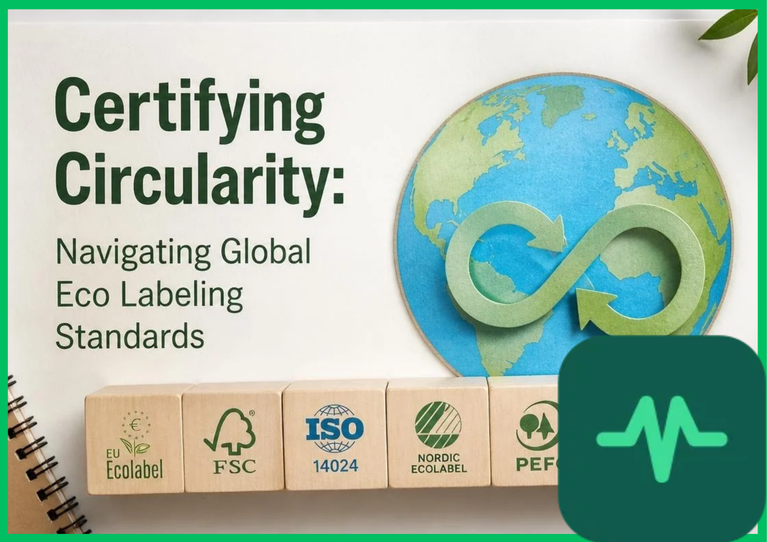
International circular frameworks are binding global agreements, environmental treaties, and cross-border regulatory standards designed to harmonize waste reduction, eliminate single-use plastics, and enforce closed-loop manufacturing principles across every participating nation.
Instead of letting countries write conflicting rules, international bodies bring diplomats, scientists, and industry leaders together to establish universal standards.
These frameworks set clear legal targets:
- Global Plastic Bans: Phasing out hard-to-recycle single-use polymers and setting strict deadlines for toxic chemical elimination worldwide.
- Extended Producer Responsibility (EPR): Requiring multinational corporations to fund the collection and recycling of their products in every country where they sell goods.
- Cross-Border Recycling Standards: Harmonizing material labeling and sorting protocols so that recycled components flow smoothly across international borders without getting stuck in regulatory red tape.
When every country plays by the same circular rules, multinational manufacturers can no longer exploit legal loopholes by moving dirty factories to unregulated nations.
The Science of Global Standards and Industrial Compliance
How do pieces of paper signed in international conference halls change the physical behavior of chemical plants and product designers thousands of miles away?
It comes down to supply chain compliance and uniform market access.
Academic governance research shows that when major global economies adopt unified circular frameworks, multinational corporations adjust their manufacturing lines immediately.
A company cannot afford to design one sustainable product for Europe and a toxic, disposable product for Asia or the Americas.
It is cheaper and simpler to redesign the manufacturing process once, making every item fully recyclable, modular, and compostable to meet the highest global standard.
According to ENERGY STAR and international industrial efficiency evaluations, standardized recycling protocols reduce energy waste during material sorting by up to 40% compared to processing mixed, unstandardized municipal waste streams.
Uniform rules create industrial efficiency on a planetary scale.
Environmental Integrity and Global Equity
The benefits of international circular frameworks extend far beyond cleaning up municipal waste streams.
They protect developing nations from becoming global dumping grounds.
According to UNEP resource governance frameworks, binding international treaties ensure that resource extraction and waste management follow strict environmental justice guidelines.
Wealthy nations can no longer export their garbage to poorer communities.
Instead, every country must build its own local circular economy infrastructure, fostering green jobs and clean industrial growth locally.
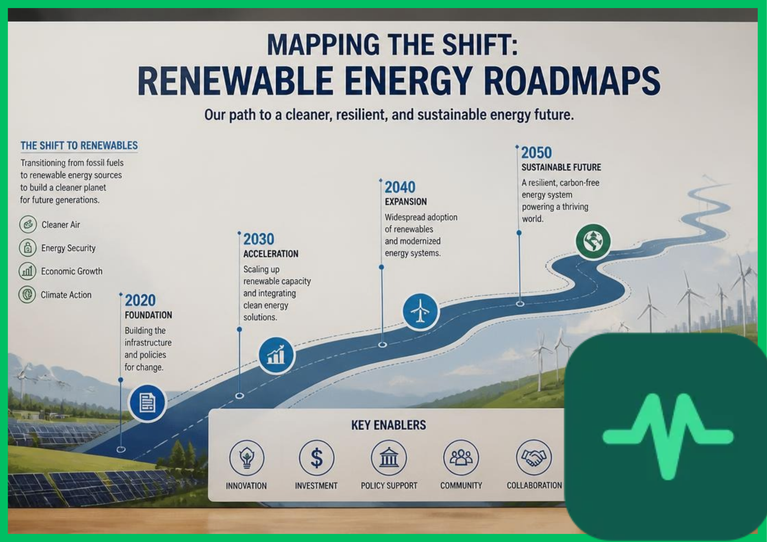
According to IEA clean energy roadmaps, harmonized international policies accelerate the deployment of green manufacturing technologies by providing regulatory certainty for long-term investments.
When a clean-tech startup knows that global rules will protect its intellectual property and support its market expansion across continents, capital flows rapidly into sustainable innovation.
Overcoming Diplomatic and Enforcement Realties
Drafting and enforcing global environmental agreements involves navigating complex international politics.
Sovereign nations guard their independence fiercely, making consensus building slow and meticulous work.
Diplomats must balance the economic needs of developing nations with the urgent ecological demands of industrial superpowers, providing financial assistance and technology transfers to help smaller countries upgrade their municipal infrastructure.
As digital tracking tools and blockchain supply chain audits improve, verifying cross-border recycling compliance becomes transparent and tamper-proof.
When international treaties have teeth, global accountability becomes a reality.
Closing Our Circle Toward a Sustainable Future
International circular frameworks prove that humanity can unite across borders to solve planetary crises.
We no longer have to accept a fragmented world where pollution slips through legal loopholes and waste travels unchecked across the oceans.
By harmonizing recycling rules, enforcing global zero-waste pacts, and holding manufacturers accountable everywhere, we build a united front for environmental protection.
We step away from isolated regulatory chaos, embracing a smart, cooperative, and enduring standard of global governance.
Through brilliant diplomacy, rigorous academic research, and a deep respect for our shared biosphere, international frameworks secure a clean, thriving, and sustainable future for every nation on Earth.

Comments (0)
Login to leave a comment.
No comments yet. Be the first to share your thoughts!