It stores clean solar energy. It stands ready to power your home if the local grid goes down.
A battery box is just a container of chemical cells. By itself, it sits there doing nothing.
What brings that heavy-duty hardware to life is a sophisticated digital brain.
For years, home energy systems required constant manual oversight. Homeowners had to remember to switch circuits, monitor weather apps, and guess the best time to charge their batteries.
That manual guesswork is fading away.
According to efficiency frameworks from ENERGY STAR, smart grid integration reports from the International Energy Agency (IEA), and academic power systems research, intelligent software is transforming how homes consume and store power.
Smart home energy management software connects your solar panels, battery storage, electric vehicle charger, and household appliances into a unified, automated network.
Here is how intelligent energy management works, why software optimization unlocks massive savings, and how automated control transforms every household into a smart grid partner.
The Chaos of Unmanaged Home Power
To understand why intelligent software is essential, you have to look at how modern homes handle electricity.
A typical household features an array of power-hungry devices running simultaneously.
Rooftop solar panels capture sunshine during midday hours, generating surplus electricity when families are away at work or school.
When everyone returns home in the evening, solar generation drops to zero just as cooking, heating, lighting, and appliance usage spike.
If you plug in an electric car and run a heat pump without coordination, your home draws massive amounts of expensive electricity from the local grid during peak hours.
Without a digital brain to coordinate those energy flows, your home wastes money and puts unnecessary strain on neighborhood transformers.
Manual effort cannot solve this problem. Humans cannot sit by the meter all day flipping switches based on shifting wholesale electricity prices.
We needed automation.
What Is Smart Home Energy Management Software?
Smart home energy management software acts as the central nervous system for residential clean energy.
The software platform links directly with your rooftop solar inverter, your lithium-ion battery pack, your electric vehicle charger, and your home climate controls.
It does not just follow a rigid, pre-set timer. It thinks dynamically.
The system communicates constantly with local weather forecasts, real-time grid carbon intensity data, and dynamic utility pricing tariffs.
If weather satellites predict a cloudy, stormy afternoon tomorrow, the software commands your home battery to charge up fully from the grid overnight while electricity is cheap and clean.
If sunshine is in the forecast, the system saves battery capacity so it can absorb every possible watt of free solar energy produced on your roof during peak daylight hours.
It manages power silently in the background, requiring zero manual thought from you.
Automated Load Shifting and Financial Savings
The true power of smart energy management lies in automated load shifting.
Electricity prices fluctuate throughout the day. When demand peaks across your region, utility rates soar.
Academic smart grid studies and IEA residential efficiency assessments show that intelligent software slashes household utility bills by shifting power usage to off-peak hours automatically.
When wholesale electricity prices spike during a high-demand evening hour, the software disconnects your home from the grid seamlessly.
Instead of buying expensive power, your home runs entirely on stored solar energy drawn from your battery pack.
When electricity prices drop late at night or during a midday solar surge, the system commands your battery and electric vehicle to charge up at rock-bottom rates.
You experience complete comfort, uninterrupted power, and significantly lower monthly utility bills without ever changing your daily routine.
Supporting Local and Regional Grid Stability
Smart home energy management does more than save money for individual families. It protects the health of the entire electrical grid.
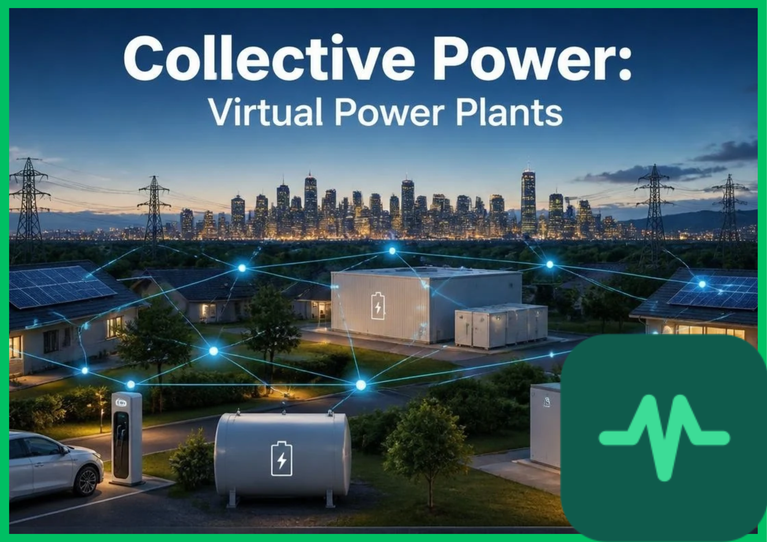
When thousands of homes utilize intelligent software platforms across a city, they form a coordinated network.
Instead of creating chaotic demand spikes when families get home from work, smart homes stagger their power draws dynamically.
According to academic power systems research, this collective software control provides critical grid services like peak shaving and frequency regulation.
During sudden grid emergencies, your home battery can even export a tiny fraction of its stored energy back to support your neighbors, preventing local blackouts.
Your individual home transforms from a passive power consumer into an active, intelligent partner in the global clean energy transition.
Empowering the Sustainable Household
Smart home energy management proves that technology can make sustainability effortless.
We no longer have to sacrifice convenience to protect our environment or lower our energy costs.
By placing a smart digital brain behind your home battery, you take control of your energy future.
You maximize your solar investments, protect your family from grid outages, and reduce your carbon footprint automatically.
Through intelligent software and automated energy control, every household becomes a beacon of efficiency, lighting the path toward a smart, sustainable global economy.

Comments (0)
Login to leave a comment.
No comments yet. Be the first to share your thoughts!