
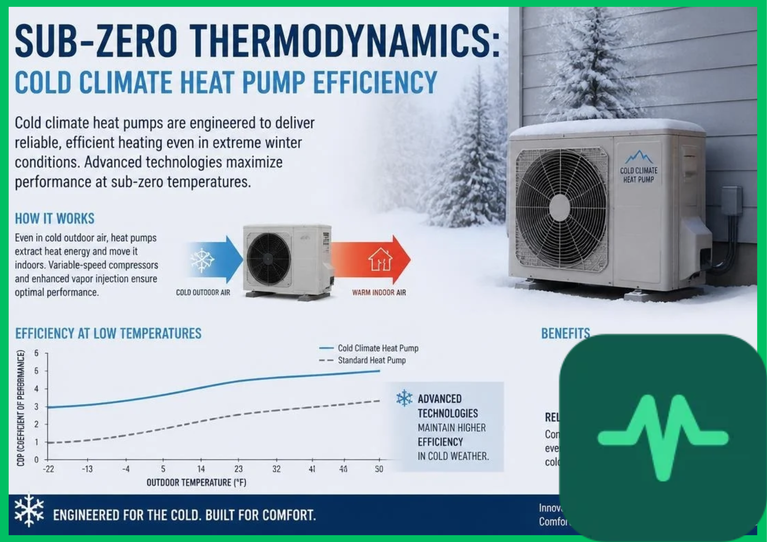
 ) compared to conventional air-source heat pumps because they exchange thermal energy with subterranean geological formations rather than fluctuating ambient air. Below a shallow threshold of
 (
 ) to
 (
 ) depth, ground temperatures remain remarkably stable globally, tracking regional mean annual air temperatures (
 to
 [
 to
 ]). Analyzing subsurface thermal transport, borehole thermal resistance, and closed-loop grouting mechanics is essential for optimizing geothermal heat exchanger design and long-term energy efficiency.
Subsurface Thermal Conductivity and Geothermal Heat Exchanger Physics
The foundational physical principle governing ground source heat pump efficiency is conductive heat transfer through geological strata, quantified by Fourier's law of thermal conduction. Thermal energy moves radially between circulating heat transfer fluid inside vertical closed-loop polyethylene pipes and the surrounding rock or soil matrix. The rate of radial heat transfer ( ) per unit length of borehole is expressed mathematically as:
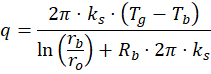
where  represents the effective thermal conductivity of the geological formation (
 ),
 is undisturbed ground temperature,
 is borehole wall temperature,
 is borehole radius,
 is outer U-tube pipe radius, and
 denotes total borehole thermal resistance.
Subsurface thermal conductivity varies significantly across different rock and soil lithologies. Dense igneous rocks like granite and quartzite exhibit high thermal conductivity ( [
 ]), facilitating rapid thermal diffusion. Conversely, dry sandy soils or porous sedimentary rocks exhibit low thermal conductivity (
 [
 ]), requiring deeper borehole installations or extended trench geometries to satisfy building thermal loads.
Vertical Closed-Loop Grouting and Borehole Thermal Resistance
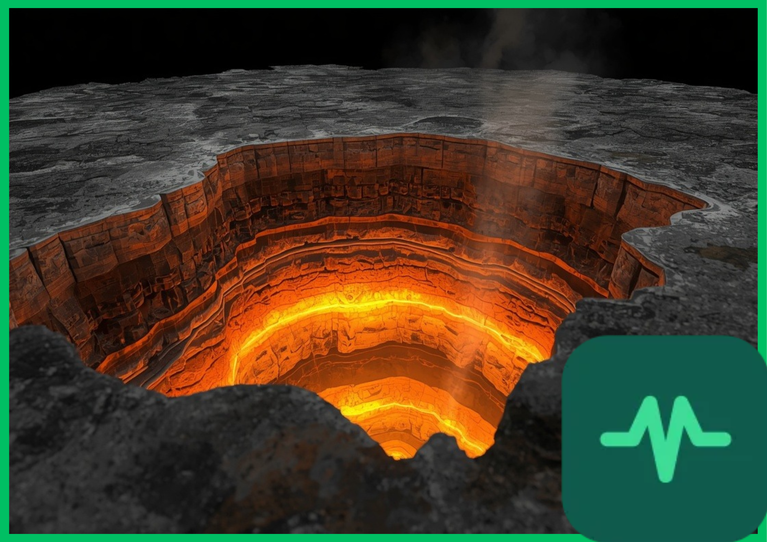
Executing high-efficiency geothermal heat exchange requires minimizing internal borehole thermal resistance ( ). A vertical closed-loop system typically consists of high-density polyethylene (HDPE) U-tube pipes inserted into a drilled borehole ranging from
 to
 (
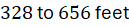 ) in depth. The annular space between the plastic U-tube pipes and the geological borehole wall must be backfilled completely with a specialized cementitious or bentonite grout.
Standard neat bentonite grouts exhibit relatively low thermal conductivity ( [
 ]), acting as a thermal insulating barrier that impedes heat transfer between circulating fluid and surrounding rock formations. Modern geothermal engineering utilizes thermally enhanced grouts blended with high-purity crystalline quartz sand or graphite additives. These enhanced grouts elevate thermal conductivity to
 to
 (
 ), reducing borehole thermal resistance by 30% to 50% and enhancing overall system COP.
Technical Data Specifications of Ground Source Heat Pump Parameters
| Geothermal & Borehole Parameter | Engineering Specification Standard |
|---|---|
| Borehole Depth Range |  to  ( 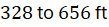 ) per vertical loop |
Subsurface Thermal Conductivity ( ) |  lithology dependent |
| Enhanced Grout Thermal Conductivity |  quartz-blended bentonite |
Seasonal Performance Factor ( ) |  to  annual thermal conversion efficiency |
| Circulating Heat Transfer Fluid | Water or inhibited propylene glycol-water mixture |
| U-Tube Pipe Material Composition | High-Density Polyethylene (HDPE PE100-RC) |
| Design Ground Temperature Stabilization |  to  (  to  ) baseline |
Ground Temperature Stabilization and Annual Thermal Balancing
While shallow subterranean formations provide stable thermal baselines, continuous multi-year operation can induce thermal imbalance if annual heating extraction loads differ substantially from annual cooling injection loads. In heating-dominant northern climates, extracting more thermal energy from the ground than is replenished annually causes cumulative ground temperature depletion, dropping local soil temperatures over consecutive operating seasons and degrading heat pump evaporating pressures.
Conversely, in cooling-dominant commercial facilities, rejecting continuous heat into the ground elevates subterranean temperatures, reducing heat pump condenser rejection efficiency. Geothermal engineering firms prevent thermal drift by conducting long-term thermal response tests (TRT) prior to installation and integrating hybrid heat rejection systems—such as auxiliary fluid coolers or solar thermal regeneration loops—to restore annual thermal equilibrium across closed-loop borehole fields.
Thermodynamic Exergy Analysis and Parasitic Pump Losses
Evaluating the true energetic efficiency of ground source heat pump systems requires analyzing total system exergy, which accounts for both vapor compression compressor work ( ) and fluid circulation pump work (
 ). While the coefficient of performance (
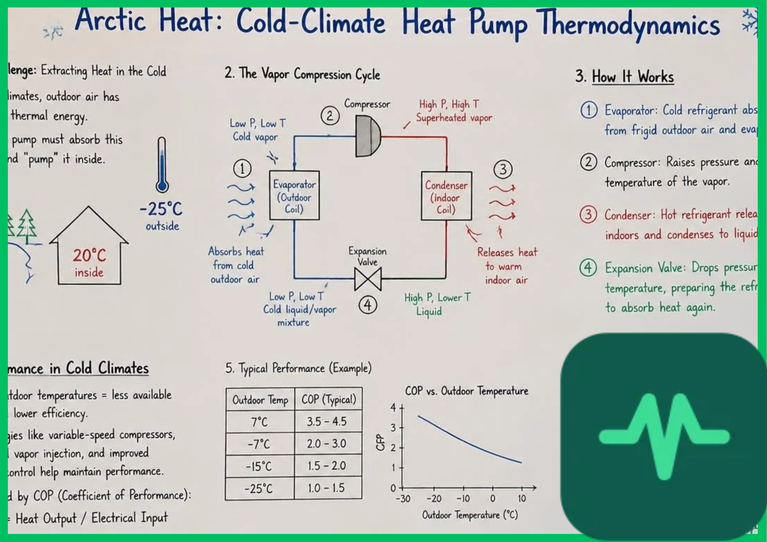
 ) measures thermal output relative to electrical compressor input, parasitic pumping power required to push water-glycol heat transfer fluid through hundreds of meters of closed-loop U-tubes can erode net system efficiency if hydraulic design is neglected.
Optimizing pipe diameters (typically  to
 [
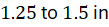 ] nominal diameter) and selecting variable-speed electronic circulator pumps minimizes frictional pressure drop across the hydraulic circuit. Maintaining turbulent fluid flow inside U-tube pipes (Reynolds number
 ) ensures high internal convective heat transfer coefficients without incurring excessive hydraulic pumping penalties, maximizing net exergetic efficiency.
The Final Take
Mastering ground source heat pump thermal borehole efficiency maximizes building decarbonization by exploiting stable subterranean enthalpy reserves. Citing IEA renewable heating assessments and geothermal literature, optimizing subsurface thermal conductivity, utilizing thermally enhanced grouts, and maintaining annual ground thermal balance elevates seasonal performance factors above 4.0. By resolving borehole thermal resistance and managing hydraulic circulation losses, ground source heat pumps establish an indispensable foundation for high-efficiency thermal energy infrastructure.

Comments (0)
Login to leave a comment.
No comments yet. Be the first to share your thoughts!